
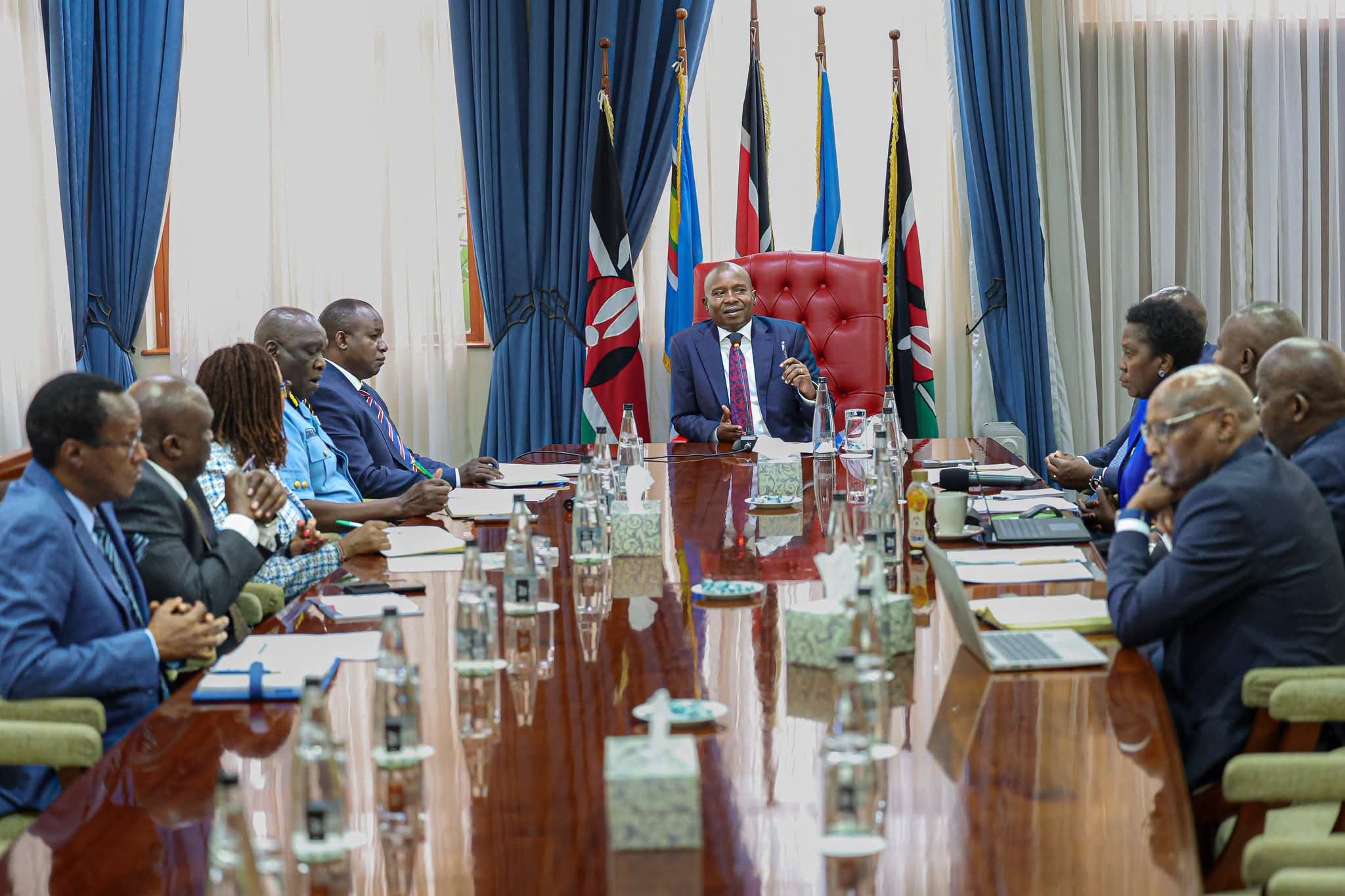
Kindiki: Orders Nationwide Alcohol Manufacturing Re-inspection In Kenya
Summary
- Deputy President Kithure Kindiki has ordered nationwide re-inspections of alcohol manufacturing premises to ensure compliance and disrupt illegal supply chains.
- Interior Cabinet Secretary Kipchumba Murkomen is directed to convene a forum within 14 days with the Council of Governors to discuss alcohol trade licensing and rehabilitation centre frameworks.
- The government attributes past successes in dismantling cartels to intelligence-led operations, village elder stipends, and the National Government Administration Unit.
- Plans are underway to establish at least one public rehabilitation centre in each county within the next year, costing approximately Ksh60 million per facility.
- A Special Intergovernmental Budget and Economic Council meeting will be held next month to address the economic impact of alcohol and drug abuse.
Immediate Directives and Regulatory Scrutiny
The upcoming forum between CS Murkomen and the Council of Governors is particularly significant, as its outcomes are expected to directly influence future alcohol trade licensing Kenya changes and control frameworks, necessitating proactive review of operational compliance by all stakeholders in the industry.
Deputy President Kithure Kindiki has initiated a significant push to intensify Kenya's campaign against illicit alcohol and drug abuse, issuing a nationwide directive for the re-inspection of all alcohol manufacturing premises. This comprehensive review, mandated for security and regulatory agencies, aims to rigorously enforce compliance with established standards and regulations. The primary objective is to dismantle illegal alcohol production and disrupt its associated supply chains, ensuring that all operational facilities adhere to legal requirements. This move underscores the government's commitment to safeguarding public health and maintaining order within the alcohol industry.
Following a high-level briefing from key enforcement figures, including Interior Cabinet Secretary Kipchumba Murkomen and Inspector General of Police Douglas Kanja, along with heads of various regulatory bodies, Kindiki further instructed CS Murkomen to convene a critical forum. This meeting, scheduled to take place within the next two weeks, will bring together the relevant committee from the Council of Governors. The agenda for this crucial gathering will focus on reforming the frameworks governing the licensing and control of alcohol trade and consumption across Kenya, as well as establishing guidelines for the development and operation of rehabilitation centres. This signals an impending overhaul of existing alcohol trade licensing Kenya changes, requiring manufacturers and distributors to prepare for potential new compliance obligations.
Sustained Enforcement and Strategic Enhancements
The Deputy President acknowledged the substantial progress made over the past year in combating the proliferation of illegal alcohol. He highlighted the effectiveness of intelligence-led, multi-agency operations, which have successfully dismantled numerous cartels and led to the closure of several unlicensed manufacturing establishments. These successes are attributed, in part, to strategic governmental initiatives, including the introduction of a monthly stipend for village elders and the establishment of the National Government Administration Unit (NGAPU), both of which have significantly bolstered enforcement capabilities at the grassroots level. This ongoing Kenya illicit alcohol crackdown demonstrates a sustained effort to curb illegal activities.
Looking ahead, the government plans to further strengthen its enforcement apparatus by allocating additional resources and equipment to security and regulatory agencies. This investment is intended to enhance their capacity to monitor and control the alcohol sector more effectively, ensuring broader Kenya alcohol premises compliance. The commitment to providing these essential tools underscores a long-term strategy to maintain pressure on illicit operators and uphold regulatory standards across the country.
Future Policy and Rehabilitation Infrastructure
Beyond immediate enforcement, the government is also laying the groundwork for significant policy and infrastructure developments aimed at addressing the broader societal impact of alcohol and drug abuse. A key initiative involves the establishment and operation of at least one public rehabilitation centre in each county within the next year. Each of these facilities is projected to cost approximately Ksh60 million, representing a substantial investment in public health infrastructure and reflecting the Kindiki drug abuse policy Kenya. This widespread development of rehabilitation services aims to provide critical support for individuals struggling with addiction.
Furthermore, a Special Intergovernmental Budget and Economic Council (IBEC) meeting is slated for next month. This high-level gathering will convene to thoroughly discuss the economic ramifications of alcohol and drug abuse and addiction, indicating a comprehensive approach to understanding and mitigating these societal challenges. The upcoming forum between CS Murkomen and the Council of Governors is particularly significant, as its outcomes are expected to directly influence future alcohol trade licensing Kenya changes and control frameworks, necessitating proactive review of operational compliance by all stakeholders in the industry.
Practical Implications
Alcohol manufacturers in Kenya should prepare for imminent re-inspections and proactively review their compliance with applicable standards and regulations. Legal and compliance officers should closely monitor the upcoming forum between the Interior CS and the Council of Governors, as it is likely to lead to significant changes in alcohol trade licensing and control frameworks, requiring clients to adapt their operations.
Source
How does this affect you?
Get an AI analysis of this article grounded in your jurisdictions, practice areas, and any policy documents you've uploaded to Wansom.
Finish Reading the Full Story and the Expert Analysis.
Get the latest legal & regulatory intelligence in Kenya
Wansom is AI and can make mistakes.