
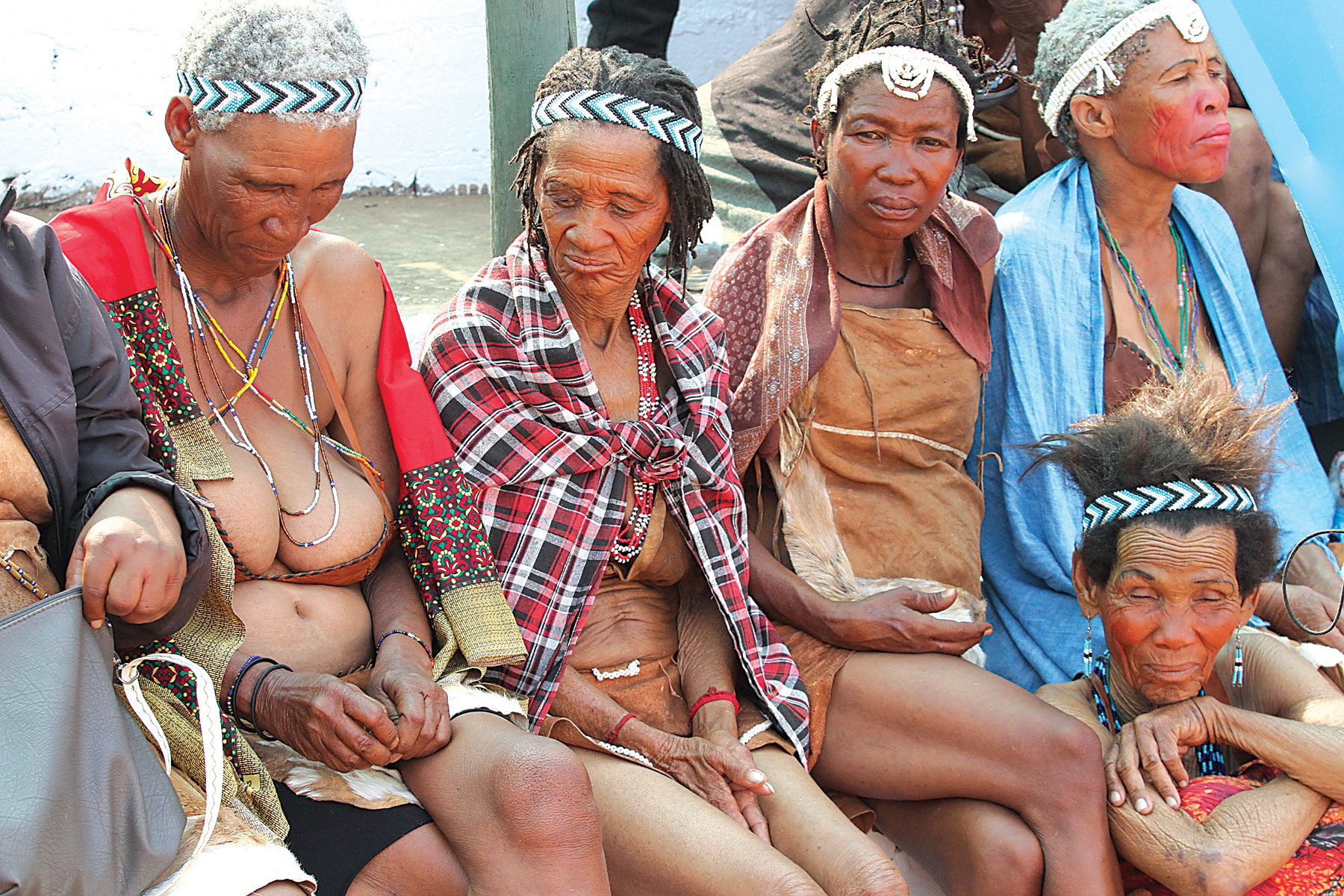
Khweedom Council: Police Brutality Intervention Targets Botswana Commissioner
Summary
- The Botswana Khweedom Council has formally contacted Botswana Police Commissioner Dinah Marathe regarding alleged police brutality.
- The organization, which advocates for Basarwa rights, claims its community faces "perpetual victimization and brutality" from police officers.
- A recent incident involving Baleki Kelentse, a middle-aged man from the San community, prompted this intervention.
- The Council's engagement seeks to address systemic issues of police abuse and promote accountability within the Botswana Police Service.
Community Alleges Police Brutality
The Botswana Khweedom Council, an organization dedicated to championing the rights of the Basarwa community within the country, has formally approached Botswana Police Commissioner Dinah Marathe.
The Botswana Khweedom Council, an organization dedicated to championing the rights of the Basarwa community within the country, has formally approached Botswana Police Commissioner Dinah Marathe. This engagement stems from what the Council describes as a persistent pattern of victimization and brutality allegedly perpetrated by police officers against members of the San community.
The Council's intervention with Commissioner Marathe was prompted by a recent incident involving Baleki Kelentse, a middle-aged man from the San community who resides in an unspecified location. This particular case serves as a fresh example underpinning the broader allegations of police abuse that the Khweedom Council seeks to address through direct communication with the highest levels of police leadership. The organization's proactive stance highlights ongoing concerns regarding law enforcement conduct.
This direct appeal to Commissioner Marathe underscores the gravity of the allegations and the community's desire for a resolution to what they perceive as systemic issues. The Khweedom Council's role as an advocate for Basarwa rights positions them as a key voice in bringing these concerns to the forefront, seeking accountability and an end to alleged police brutality affecting the San community.
Engagement with Commissioner Marathe
The decision by the Khweedom Council to engage Botswana Police Commissioner Dinah Marathe directly signifies a strategic effort to elevate concerns about police conduct. By addressing the head of the national police force, the Council aims to ensure that allegations of perpetual victimization and brutality receive the highest level of attention and investigation. This direct line of communication is intended to bypass lower-level bureaucratic hurdles and impress upon the leadership the urgency of the situation.
This intervention represents a critical step in the ongoing efforts to secure Basarwa rights and address instances of police abuse in Botswana. The Council's engagement with Commissioner Marathe is a clear signal that the community is seeking concrete action and a commitment to police accountability. The outcome of these discussions could set a precedent for how similar allegations are handled in the future, impacting police oversight Botswana more broadly.
The specific mention of Baleki Kelentse's case provides a tangible example for Commissioner Marathe to consider, grounding the broader allegations in a recent, individual experience. This approach allows the Khweedom Council to illustrate the real-world impact of the alleged police brutality on members of the San community, emphasizing the need for a comprehensive review of police practices and potential reforms.
Advocacy for San Rights and Police Accountability
As an organization dedicated to advocating for Basarwa rights, the Botswana Khweedom Council's intervention with Commissioner Dinah Marathe is a pivotal moment for police accountability in Botswana. The Council's assertion of "perpetual victimization and brutality from police officers" points to a deeply entrenched issue that requires more than isolated responses. Their engagement seeks to foster a systemic change in how law enforcement interacts with the San community.
This action by the Khweedom Council is not merely about a single incident but about ensuring broader police oversight Botswana. The allegations of police abuse against the Basarwa community highlight the ongoing challenges faced by marginalized groups in accessing justice and protection. The Commissioner's response to these serious claims will be closely watched, as it will indicate the commitment of the Botswana Police Service to upholding human rights and ensuring ethical conduct among its officers.
The focus on the Baleki Kelentse police brutality case, while significant, is presented by the Council as part of a larger pattern. This framing emphasizes the need for a comprehensive review of police practices and training, rather than just addressing individual complaints. The Khweedom Council's efforts are geared towards establishing a framework where the rights of all citizens, particularly vulnerable communities like the San, are respected and protected by law enforcement.
Practical Implications
Lawyers advising on human rights or police accountability in Botswana should monitor the Police Commissioner's response to the Khweedom Council's allegations, as it could signal increased scrutiny on police conduct, potential policy reforms, or new legal avenues for victims of alleged brutality.
Source
How does this affect you?
Get an AI analysis of this article grounded in your jurisdictions, practice areas, and any policy documents you've uploaded to Wansom.
Wansom is AI and can make mistakes.