
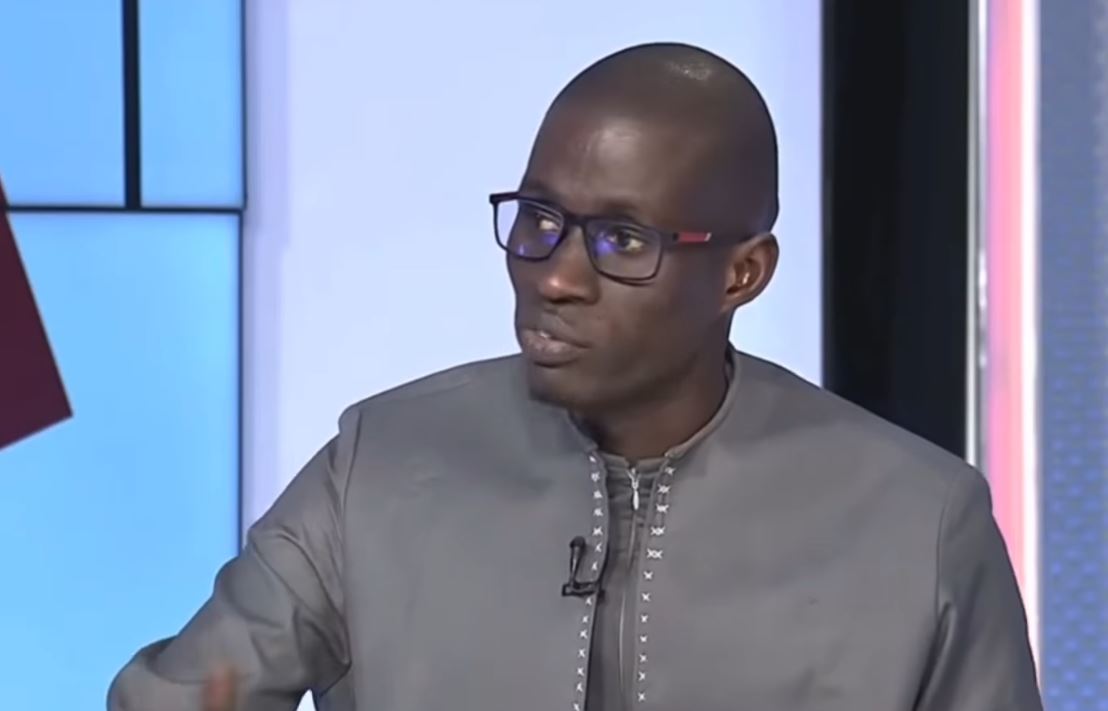
Khadim Bamba Fall: Denounces LFR 2026 Projets Structurants Suppression
Summary
- Khadim Bamba Fall, a Pastef member, criticized the Loi de finances rectificative (LFR) 2026 on Facebook.
- He denounced the removal of several significant structuring projects from the budget.
- Fall questioned the reallocation of World Bank funds initially intended for investments.
- These reallocated funds are now designated for financing family security grants.
- His statement highlights concerns over government spending priorities and financial transparency.
What Happened
This reallocation raises questions about the government's long-term investment strategy versus immediate social welfare priorities within the framework of the Loi de finances rectificative 2026 Sénégal.
Khadim Bamba Fall, a prominent member of the Pastef political party, recently voiced significant concerns regarding the Loi de finances rectificative (LFR) 2026 for Senegal, which was recently rejected by the parliamentary Finance and Budgetary Control Committee. In a public statement disseminated via his Facebook page, Fall specifically highlighted what he described as the suppression of multiple crucial structuring projects, which are typically foundational for national development.
His denunciation extended beyond mere project cancellations. Fall also critically questioned the government's decision to reallocate funds provided by the World Bank. These finances, he noted, were originally designated for various investment initiatives, implying a focus on long-term economic growth and infrastructure development. However, the revised budget appears to divert these resources towards financing family security grants, a shift that has drawn his scrutiny.
Legislative and Project Context
The Loi de finances rectificative 2026 Sénégal represents an amendment to the initial national budget, often introduced to adjust to new economic realities, unforeseen expenditures, or shifts in policy priorities. Within this legislative framework, the concept of "projets structurants" refers to large-scale, strategic initiatives designed to significantly impact the nation's economic and social landscape, such as major infrastructure developments, industrial projects, or key public services. These are often synonymous with "projets d'investissement public Sénégal 2026," which are vital for sustainable growth.
The removal of such projects from the LFR 2026, as denounced by Khadim Bamba Fall, suggests a potential re-prioritization of government spending. Historically, these structuring projects have been seen as cornerstones for creating employment, enhancing productivity, and improving living standards across the country, making their suppression a subject of considerable public interest and debate.
The Funding Controversy
A central point of the Pastef Khadim Bamba Fall dénonciation revolves around the Financements Banque mondiale Sénégal réaffectation. Fall specifically pointed out that funds initially earmarked by the World Bank for investment purposes are now slated to finance "bourses de sécurité familiale financement LFR." This redirection implies a shift from capital expenditure, aimed at creating future economic capacity, to current social welfare spending.
While family security grants address immediate social needs, the diversion of investment-focused international aid raises questions about the long-term implications for Senegal's development trajectory. Such reallocations can impact the country's ability to complete critical infrastructure or development projects that rely on external financing, potentially delaying progress on key national objectives.
Why It Matters
The concerns raised by Khadim Bamba Fall regarding the LFR 2026 Khadim Bamba Fall projets structurants and the reallocated World Bank funds are significant for several reasons. They underscore the ongoing public scrutiny of government budgetary decisions and the allocation of both national and international resources. The transparency and rationale behind such substantial changes in the Loi de finances rectificative 2026 Sénégal are crucial for maintaining public trust and ensuring accountability.
This reallocation raises questions about the government's long-term investment strategy versus immediate social welfare priorities within the framework of the Loi de finances rectificative 2026 Sénégal. For entities involved in public infrastructure or development projects, these budgetary adjustments signal a need for careful review of the final LFR 2026 to understand which projects might be affected, potentially impacting existing contracts or future opportunities.
Practical Implications
Lawyers advising entities involved in public infrastructure or development projects in Senegal should scrutinize the final LFR 2026 to identify specific project cancellations or re-prioritizations. Compliance officers should assess the implications of reallocated World Bank funds, particularly if their organizations are involved in projects previously slated for such investment, to ensure ongoing compliance with funding conditions and budgetary changes.
Source
How does this affect you?
Get an AI analysis of this article grounded in your jurisdictions, practice areas, and any policy documents you've uploaded to Wansom.
Finish Reading the Full Story and the Expert Analysis.
Get the latest legal & regulatory intelligence in Senegal
Wansom is AI and can make mistakes.