
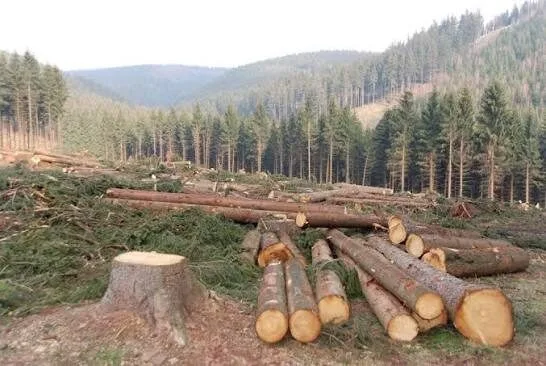
KFS Ngong Hills Tree Harvesting Tender: Operations Are Authorized
Summary
- The Kenya Forest Service defended tree harvesting in Ngong Hills Forest as an approved operation under a competitive tender, following public allegations of illegal logging.
- The operation involves 56 hectares of mature forest plantations in the Kibiku Forest Block and is stated to comply with several Kenyan laws, including the Public Procurement and Asset Disposal Act, 2015.
- KFS emphasized that forest operations must occur between 6:00 AM and 6:00 PM and is investigating a photograph of a log-laden trailer that sparked night logging claims.
- Harvested areas are planned for replanting, with community participation facilitated through the Plantation Enterprise and Livelihood Improvement Scheme (PELIS).
- The controversy highlights ongoing public scrutiny over forest management in Kenya, following previous incidents like the Ngong Road Forest eco-camp and recent conservation partnerships.
Public Outcry and Official Response
The agency's defense highlights the importance of following established legal and procedural guidelines for any forestry operations in Kenya.
The Kenya Forest Service (KFS) has addressed public concerns regarding tree harvesting within the Ngong Hills Forest, specifically in the Kibiku Forest Block. Following the circulation of videos and photographs on social media depicting felled trees and a trailer loaded with logs, which sparked allegations of illegal logging, KFS issued a statement on Sunday, October 26. The agency clarified that the ongoing KFS Ngong Hills tree harvesting tender is an authorized operation, conducted under an approved contract.
KFS confirmed that the activity involves the harvesting of mature forest plantations across 56 hectares. They asserted that the contract was awarded through a competitive bidding process, ensuring adherence to established procurement procedures. The public's questions arose particularly from images suggesting that activities might be occurring outside permitted hours, prompting the Kenya Forest Service to reiterate its commitment to regulatory compliance.
Regarding a specific photograph showing a trailer laden with logs, KFS indicated that it had received information suggesting the vehicle had broken down and was undergoing repairs. While acknowledging an investigation into the incident, the agency cautioned against drawing conclusions solely from the image, stating that the photograph itself does not definitively prove that harvesting activities were taking place at night. No timeline for the completion of this investigation or details about the contractor were provided.
Regulatory Framework and Operational Guidelines
The Kenya Forest Service emphasized that the tree harvesting operation in Ngong Hills Forest is being executed in strict accordance with several key legal frameworks. These include the Public Procurement and Asset Disposal Act, 2015, the Forest Conservation and Management Act, 2016, the Constitution of Kenya, and the Forest Harvesting Rules, 2016. KFS underscored that the harvesting of mature plantations forms an integral part of its broader forest management operations, which are designed to ensure the sustainable use of forest resources.
A central point of contention in the public discourse was the timing of the operations. KFS explicitly stated that all forest operations, including those related to the KFS Ngong Hills tree harvesting tender, are mandated to occur between 6:00 AM and 6:00 PM. The agency warned that any activities conducted outside these prescribed hours would raise significant concerns regarding KFS forest operations compliance and would be subject to scrutiny. This adherence to stipulated operating times is a critical aspect of managing activities within protected forest areas.
The agency's defense highlights the importance of following established legal and procedural guidelines for any forestry operations in Kenya. Compliance with the Public Procurement and Asset Disposal Act 2015 Kenya ensures transparency in contracting, while adherence to the Forest Conservation and Management Act 2016 and Forest Harvesting Rules 2016 Kenya is crucial for ecological sustainability and preventing Ngong Hills illegal logging claims.
Community Engagement and Broader Conservation Context
Looking ahead, the Kenya Forest Service plans for the harvested sections of the Kibiku Forest Block to be considered for replanting. This reforestation effort is slated to involve active participation from the local Community Forest Association (CFA) through the Plantation Enterprise and Livelihood Improvement Scheme (PELIS). This scheme is designed to integrate community involvement in the establishment and management of new plantations, thereby linking forest restoration initiatives with opportunities for local livelihood enhancement.
KFS has urged members of the public with any concerns about the current Ngong Hills tree harvesting tender or other forest operations to seek direct clarification from the nearest forest station. The agency also encouraged individuals who observe suspicious activities within any forest to report them promptly to the nearest police station for investigation or to notify KFS via its official email address, rather than relying on unverified information circulating online. This proactive approach aims to foster transparency and address public anxieties directly.
The current controversy surrounding the Kibiku Forest logging operations occurs amidst a period of heightened public and environmental scrutiny over forest management in Kenya. For instance, in May 2025, a proposed eco-camp in Ngong Road Forest faced significant public criticism from conservationists regarding its legality, transparency, and potential environmental impact, leading KFS to halt construction for further consultations. Conversely, positive conservation efforts have also been announced, such as the three-year, Sh3.1 million partnership formalized on October 23, 2026, between airline Fly 748, KFS, and the Ngong Hills Metro Community Forest Association, aimed at broader conservation initiatives for Ngong Forest.
Practical Implications
Lawyers advising clients on forestry operations, land use, or public procurement in Kenya should note the heightened public and regulatory scrutiny surrounding timber harvesting. Compliance officers must ensure strict adherence to the Public Procurement and Asset Disposal Act, Forest Conservation and Management Act, and Forest Harvesting Rules, including prescribed operating hours, to mitigate legal and reputational risks.
Source
How does this affect you?
Get an AI analysis of this article grounded in your jurisdictions, practice areas, and any policy documents you've uploaded to Wansom.
Finish Reading the Full Story and the Expert Analysis.
Wansom is AI and can make mistakes.