
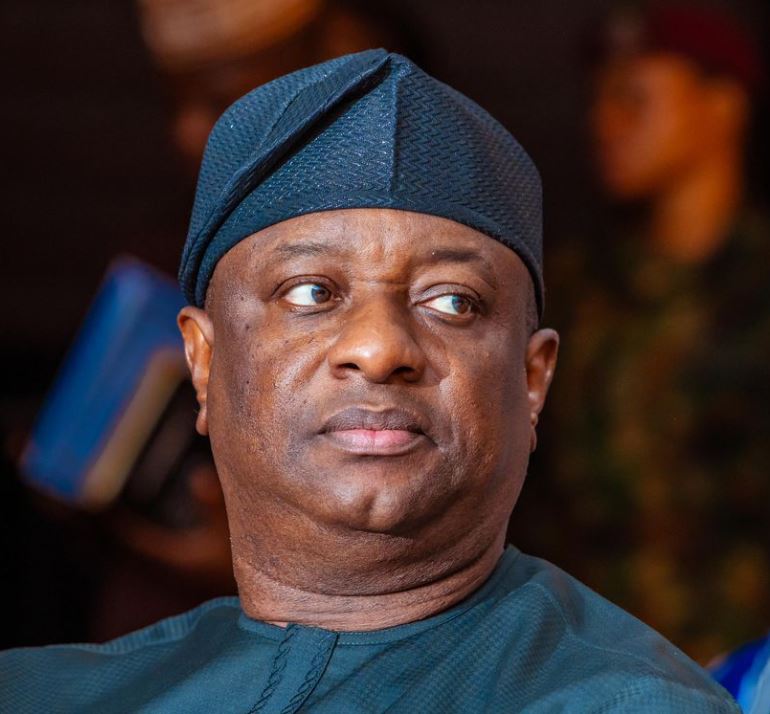
Festus Keyamo: Nigeria's ₦70,000 Minimum Wage Inadequate Amid Rising Costs
Summary
- Festus Keyamo, Minister of Aviation and Aerospace Development, stated that the ₦70,000 national minimum wage is inadequate.
- He attributed this inadequacy to severe economic pressures and the rising cost of living faced by Nigerian workers.
- Keyamo made these remarks at the 2026 National Pre-Retirement Summit, an event organized by XEM Consultants Limited.
- The Minister highlighted that the current wage has seen its purchasing power significantly eroded.
Minister Acknowledges Wage Shortfall
This acknowledgment from a high-ranking government official underscores a growing concern regarding the adequacy of the current remuneration structure for employees across the nation.
Festus Keyamo, the Minister of Aviation and Aerospace Development, has publicly declared that the current national minimum wage of ₦70,000 is insufficient to meet the financial demands faced by the country's workforce. Speaking at the 2026 National Pre-Retirement Summit, an event organized by XEM Consultants Limited, the Senior Advocate of Nigeria highlighted the severe economic pressures confronting Nigerian workers. He specifically pointed to the escalating cost of living as a primary factor that has significantly diminished the purchasing power of the existing wage.
This acknowledgment from a high-ranking government official underscores a growing concern regarding the adequacy of the current remuneration structure for employees across the nation. Keyamo's remarks directly address the pressing issue that the Keyamo ₦70,000 minimum wage inadequate for the daily realities of many households, suggesting a critical disconnect between current earnings and necessary expenditures.
Economic Realities and Legal Implications
The Minister's statement reflects a broader understanding of the economic challenges that have eroded the value of the national minimum wage since its last review. The persistent rise in the cost of essential goods and services means that the ₦70,000 benchmark, once set, no longer provides a sustainable living standard for many families. This situation places immense economic pressure on Nigerian workers, who struggle to cover basic necessities with their current earnings.
From a legal and regulatory perspective, such an official pronouncement from Festus Keyamo regarding the minimum wage in Nigeria signals a potential governmental recognition of the need for a comprehensive review. This could prompt legal counsel to advise employer clients on anticipating increased labor costs and preparing for potential collective bargaining demands or legislative changes. The acknowledgement of the cost of living impact minimum wage effectiveness by a government minister is a significant development that cannot be overlooked by stakeholders.
The Path to Wage Review
The candid admission by Minister Keyamo that the ₦70,000 minimum wage is inadequate could serve as a significant catalyst for policy discussions and a potential Nigeria national minimum wage review. His comments, delivered at a forum focused on future financial planning, emphasize the urgent need to address the economic realities impacting the workforce. The cost of living impact minimum wage discussions are becoming increasingly critical as the purchasing power continues to decline.
For labor unions, this official sentiment may provide leverage in upcoming negotiations, strengthening their arguments for a substantial increase to better reflect current economic conditions. The focus now shifts to how quickly and effectively the government will respond to these acknowledged deficiencies, potentially leading to a revised wage structure that offers more substantial relief to Nigerian workers facing severe economic pressure. This public statement from a key government figure sets the stage for intensified advocacy and policy adjustments aimed at improving the financial well-being of the nation's workforce.
Practical Implications
This statement from Minister Keyamo signals potential governmental acknowledgment of the need for a minimum wage review in Nigeria, prompting legal counsel to advise employer clients on anticipating increased labor costs and preparing for potential collective bargaining demands or legislative changes. Lawyers representing labor unions may leverage this official sentiment in negotiations.
Source
How does this affect you?
Get an AI analysis of this article grounded in your jurisdictions, practice areas, and any policy documents you've uploaded to Wansom.
Finish Reading the Full Story and the Expert Analysis.
Get the latest legal & regulatory intelligence in Nigeria
Wansom is AI and can make mistakes.