
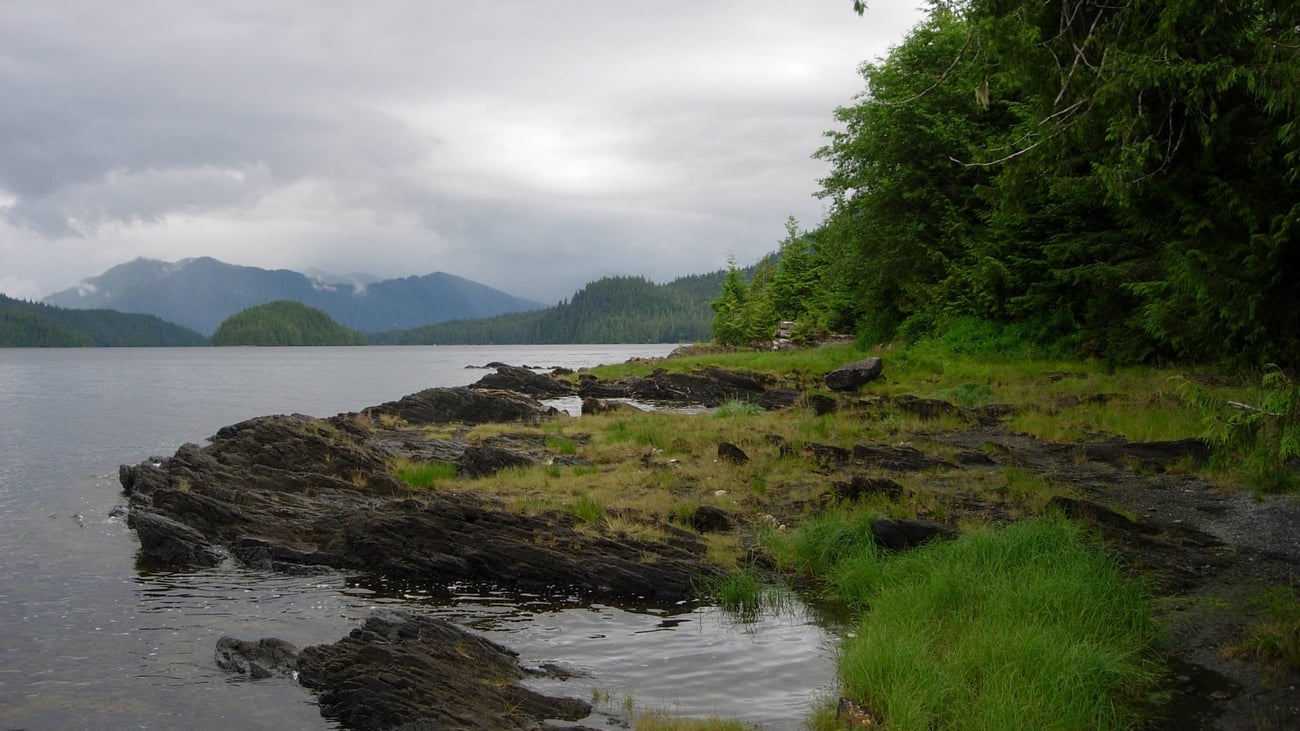
Ketchikan Indian Community: Tongass Logging Lawsuit Targets South Revilla
Summary
- The Ketchikan Indian Community and two environmental groups have filed a lawsuit against the U.S. Forest Service over its approval of the South Revilla logging project in the Tongass National Forest.
- The project authorizes future logging across more than 40,000 acres, with the current plan targeting over 4,000 acres of old-growth forest and an additional 1,000 acres of rainforest.
- Plaintiffs allege the Forest Service violated the Administrative Procedure Act and the Alaska National Interest Lands Conservation Act by making "irrational" conclusions despite its own environmental analysis showing negative impacts on subsistence, wildlife, and old-growth habitat.
- The Forest Service's analysis indicated the project would destroy over 4,300 acres of old-growth forest and impact Sitka black-tailed deer populations for over a century.
- The lawsuit highlights concerns over the preservation of the world's largest temperate rainforest and its critical role for wildlife, climate, and Indigenous communities.
Ketchikan Indian Community Challenges Tongass Logging Plan
The lawsuit contends that the U.S. Forest Service's approval of the South Revilla project violates both the Administrative Procedure Act (APA) and the Alaska National Interest Lands Conservation Act (ANILCA).
The U.S. Forest Service is facing a new legal challenge over its approval of a significant logging operation within the Tongass National Forest, the planet's largest temperate rainforest. A lawsuit filed on Thursday by the Ketchikan Indian Community, joined by the Center for Biological Diversity and the Southeast Alaska Conservation Council, seeks to halt the South Revilla project, which authorizes future timber harvesting across more than 40,000 acres of this vital ecosystem near Ketchikan, Alaska.
The Forest Service's current plan, designated as Alternative 2, specifically targets over 4,000 acres of old-growth forest and an additional 1,000 acres of rainforest situated near Revillagigedo Island, commonly known as Revilla. While existing federal timber sale regulations currently restrict the agency from auctioning off the entire 40,000-acre tract, the Forest Service has indicated its intention to develop compliant plans for subsequent sales. This extensive logging initiative has drawn strong criticism from tribal leaders and environmental advocates, who argue it poses an existential threat to the region's natural heritage.
Gloria Ilsxilee Stáng Burns, president of the Ketchikan Indian Community, emphasized the profound cultural and subsistence ties to the land, stating that the project would "threaten the lands, waters, wildlife, and traditional ways of life our people have depended upon for generations." In a June statement, Burns further articulated the community's deep connection, asserting, "Our connection to this forest is not symbolic. It is our food, our medicine, our spirit. If the Tongass falls, so do we." The plaintiffs are represented in this Ketchikan Indian Community Tongass logging lawsuit by Earthjustice.
Legal Grounds and Agency Findings
The lawsuit contends that the U.S. Forest Service's approval of the South Revilla project violates both the Administrative Procedure Act (APA) and the Alaska National Interest Lands Conservation Act (ANILCA). The plaintiffs allege that the agency reached "irrational" conclusions, particularly regarding the project's impact on bird habitat preservation and its necessity despite acknowledged restrictions on Alaska Native subsistence practices. This challenge highlights the critical role of the Administrative Procedure Act logging provisions in scrutinizing federal agency decisions.
An environmental analysis conducted by the Forest Service in January itself acknowledged that the South Revilla project would negatively affect "subsistence, wildlife, old-growth habitat, and other resources." This analysis further projected the "destruction of over 4,300 acres of old-growth forest" within the Tongass, an Alaska landmark. The agency's own findings also indicated that large-scale logging in the area would adversely impact native bird, deer, and fish species, with Sitka black-tailed deer populations, whose habitat would be directly disrupted, potentially experiencing impacts for over a century.
Despite these documented harms to subsistence, wildlife, recreation, and other forest values, the plaintiffs assert that the Forest Service chose Alternative 2, which they describe as authorizing the logging of "approximately 21 percent of the existing productive old-growth forest in the project area." The agency's justification for selecting this alternative was its claim of providing a greater economic benefit compared to other options. This US Forest Service Tongass lawsuit underscores the tension between economic considerations and environmental preservation in federal land management.
Broader Implications for Old-Growth Forests
This litigation concerning old-growth forest litigation Alaska carries significant implications for the future of the Tongass National Forest, which is not only the largest forest in the country but also a critical carbon sink and biodiversity hotspot. Marlee Goska, an attorney with the Center for Biological Diversity, characterized the South Revilla project as "an assault on the world’s largest remaining temperate old-growth rainforest." She emphasized the ecological necessity of preserving these ancient trees for wildlife such as goshawks and wolves, their role in combating the climate crisis, and their importance for the cultural well-being and economies of Southeast Alaska communities.
The challenge to the South Revilla project also unfolds against a backdrop of broader federal policy shifts impacting protected lands. Last week, the federal government initiated a proposal to repeal the 2001 Roadless Rule, which currently safeguards over 45 million acres of federal land from logging and other development. Notably, former President Donald Trump's administration had previously sought to exempt the Tongass from this Roadless Rule during his first term. The Forest Service did not provide a comment regarding the lawsuit by the time of publication, leaving the legal battle to determine the fate of this irreplaceable natural treasure.
Practical Implications
This case illustrates how federal agency decisions regarding resource management, particularly logging in sensitive areas, can be challenged under the Administrative Procedure Act and specific environmental statutes like ANILCA. Lawyers advising on federal land use, environmental impact assessments, or tribal rights should note the grounds for challenging agency rationality and compliance with statutory mandates, especially concerning impacts on old-growth forests and subsistence.
Source
How does this affect you?
Get an AI analysis of this article grounded in your jurisdictions, practice areas, and any policy documents you've uploaded to Wansom.
Finish Reading the Full Expert Analysis.
Wansom is AI and can make mistakes.