
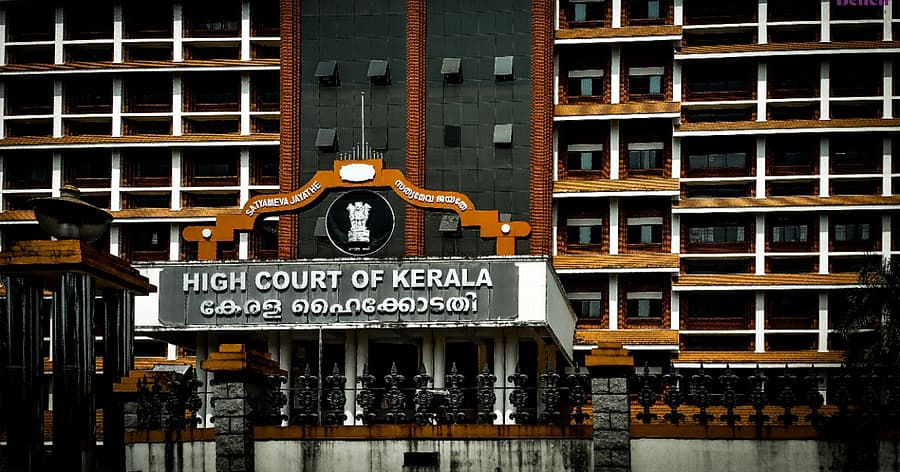
Kerala High Court: Invalidates Ban on Women Toddy Shops Employment
Summary
- The Kerala High Court struck down a rule that prohibited women from working in toddy shops.
- Justice Gopinath P ruled that this restriction violated fundamental rights under the Indian Constitution.
- The court asserted that the State must create safe working environments rather than deny women employment opportunities for safety reasons.
- The ruling originated from a petition by Sophy, who was denied compassionate employment at a toddy shop after her husband's death.
- This decision establishes a significant precedent for gender equality in the workplace across Kerala.
What Happened
The court unequivocally stated that the State's duty to protect women from harassment and ensure a secure working environment cannot be fulfilled by denying them the opportunity to work in industries of their choosing.
The Kerala High Court recently delivered a significant ruling, invalidating a specific provision within the Kerala Abkari Shops Disposal Rules, 2002, which had historically barred women from working in toddy shops. This decision, issued on August 5, marks a pivotal moment for women employment fundamental rights India and challenges long-standing gender-based restrictions in the state's traditional industries. The court's action effectively dismantles a regulatory barrier that had prevented women from entering a particular segment of the workforce, aligning with broader principles of equality and non-discrimination.
The ruling by Justice Gopinath P came in response to a petition filed by Sophy, whose personal circumstances brought the discriminatory rule into sharp focus. Sophy sought employment at a toddy shop in Ponjanam, Thrissur, on compassionate grounds following the death of her husband, KJ Kunjupalu, on May 20, 2024, who had previously worked there. Her request, however, was rejected due to the existing prohibition on women toddy shops employment. This rejection prompted her legal challenge, known as Sophy v State of Kerala & ors, which ultimately led to the High Court's intervention.
Legal Rationale
In his judgment, Justice Gopinath P unequivocally declared that the provision prohibiting women toddy shops employment constituted a violation of fundamental rights enshrined in the Indian Constitution. The court firmly rejected the State's argument that such a complete ban could be justified solely on the grounds of ensuring women's safety. Instead, the ruling underscored that the State's responsibility lies in actively creating a secure and safe working environment, thereby enabling women to pursue their chosen professions without arbitrary restrictions.
The High Court observed that while the State indeed bears an obligation to safeguard women from workplace harassment, this protection cannot be achieved by denying them access to employment opportunities. The court emphasized that prohibiting women from working in certain industries, regardless of their choice, is not an acceptable method for the State to fulfill its duty to provide a safe environment. This perspective highlights a crucial shift from protective discrimination to enabling equal opportunities, asserting that safety measures should facilitate, not restrict, employment.
Precedent for Gender Equality
This landmark Justice Gopinath P ruling sets a significant precedent for gender equality workplace Kerala, particularly within sectors traditionally deemed unsuitable for women. The court's clear stance reinforces the principle that the State's machinery must focus on establishing and maintaining safe conditions for all workers, rather than implementing blanket prohibitions that curtail women employment fundamental rights India. This decision underscores a broader judicial trend towards dismantling discriminatory practices that limit economic participation based on gender.
The court unequivocally stated that the State's duty to protect women from harassment and ensure a secure working environment cannot be fulfilled by denying them the opportunity to work in industries of their choosing. This decision sends a strong message that policies must evolve to support inclusive employment practices, ensuring that women are not unfairly excluded from any profession based on outdated or discriminatory regulations like those found in the Kerala Abkari Shops Disposal Rules, 2002. It mandates a proactive approach from the State to foster environments where women can thrive professionally, rather than being sidelined by restrictive rules.
Practical Implications
This ruling sets a precedent against gender-based employment restrictions in Kerala, particularly in industries historically deemed unsuitable for women. Lawyers advising businesses in Kerala, especially in the hospitality or alcohol-related sectors, must review and update employment policies to ensure compliance with fundamental rights and prevent discrimination against women seeking employment, focusing instead on creating safe working environments.
Source
How does this affect you?
Get an AI analysis of this article grounded in your jurisdictions, practice areas, and any policy documents you've uploaded to Wansom.
Finish Reading the Full Story and the Expert Analysis.
Wansom is AI and can make mistakes.