
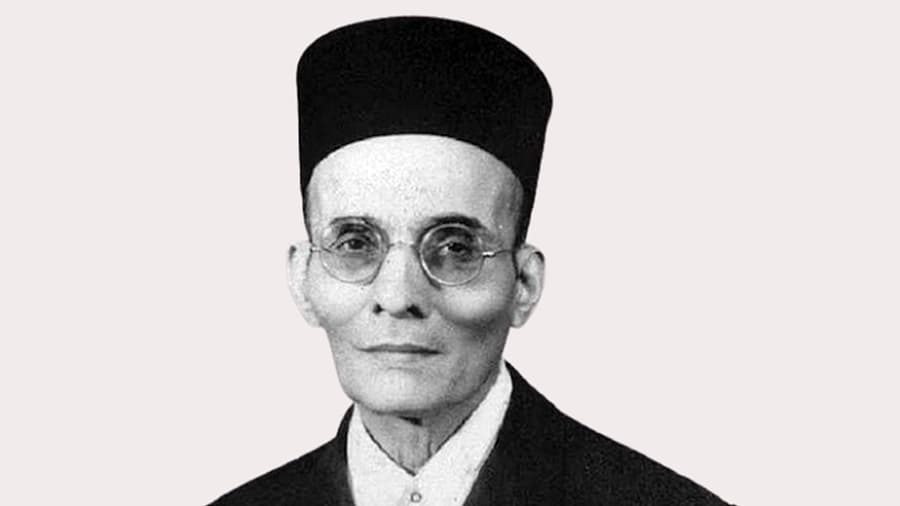
Kerala High Court: VD Savarkar Quiz Suspension Challenged
Summary
- A school teacher in Kerala has moved the High Court against his suspension over a quiz question about VD Savarkar.
- The question sparked controversy when it was revealed that VD Savarkar was described as receiving 'the most severe punishment' from the British.
- The Kerala High Court is seeking the State government's response to the teacher's plea, asking for specific reasons behind his suspension.
- The case has broader implications for Indian education law and disciplinary proceedings, with potential consequences for teachers and educational content.
What Happened
For such issue, should there be a suspension is the question … You can go on with the disciplinary proceedings… but can suspension be a punishment (in such matters)?
A school teacher in Kerala has moved the High Court seeking relief against his suspension over a quiz question that named VD Savarkar as a freedom fighter who received maximum punishment from the British. The teacher, Guruprasad Rai K, had framed the question for a local school-level quiz in Kasargode. However, the question sparked controversy when it was revealed that VD Savarkar was described as receiving 'the most severe punishment' from the British. This has led to a heated debate over the accuracy of the description and the implications for educational content.
The case is significant not only because of the controversy surrounding VD Savarkar's legacy but also because it raises questions about the scope of disciplinary actions against educators in India.
Legal Context
The Kerala High Court has sought the State government's response to the teacher's plea, asking for specific reasons behind his suspension. This move suggests that the Court is taking a nuanced approach to the case, recognizing that disciplinary actions against educators can have far-reaching implications. The Court's order also highlights the importance of considering the context and intent behind educational content, rather than simply relying on strict adherence to regulations.
The case will be heard next on August 17, giving both parties time to present their arguments and evidence. In the meantime, the State's Education Minister has already weighed in on the controversy, terming it an 'intentional distortion' of historical facts.
Why It Matters
This case is not just about a suspended teacher or a contentious quiz question; it has broader implications for Indian education law and disciplinary proceedings. Lawyers should pay close attention to the Court's ruling, as it could set a precedent for future cases involving sensitive or controversial educational content. The outcome of this case will likely influence how educators approach teaching complex historical topics and how schools handle complaints about educational materials.
Ultimately, the Kerala High Court's decision in this matter will have significant consequences for the education sector in India, shaping the way teachers are held accountable for their actions and the types of content that are deemed acceptable in classrooms.
Practical Implications
Lawyers should watch for this case as a precedent on the scope of disciplinary actions against educators in India, potentially impacting future cases involving sensitive or controversial educational content.
Source
How does this affect you?
Get an AI analysis of this article grounded in your jurisdictions, practice areas, and any policy documents you've uploaded to Wansom.
Wansom is AI and can make mistakes.