
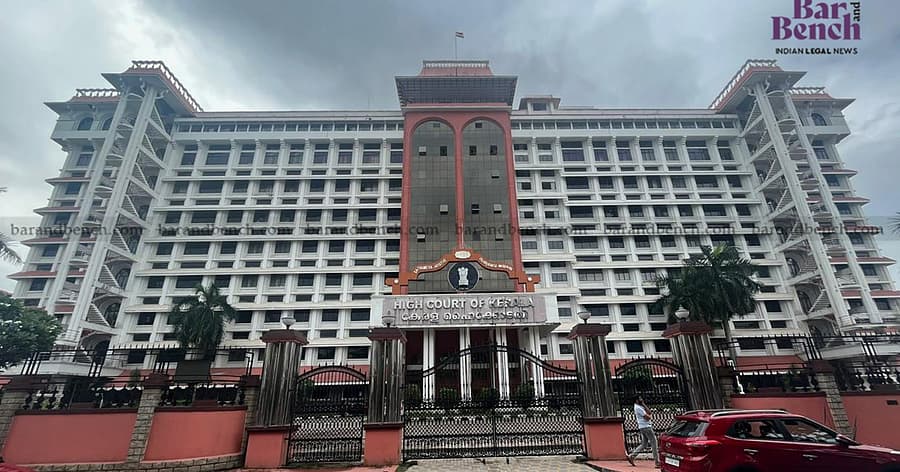
Kerala High Court: Kavya K Bail Granted In Vadakara Drug Case
Summary
- The Kerala High Court granted bail to Kavya K, a 29-year-old school teacher and third accused in a Vadakara drug trafficking case.
- Kavya K was charged under Sections 22(b) and 29 of the NDPS Act for possession of psychotropic substances and criminal conspiracy.
- The prosecution alleged she conspired to transport and sell narcotics, with financial transactions linked to her bank account and 2.108 grams of MDMA recovered from another accused.
- Justice Kauser Edappagath cited Kavya K's judicial custody since July 25, 2026, the near completion of the investigation, effected recovery, and her lack of criminal antecedents as reasons for bail.
- The court determined that continued detention was not required, entitling her to release.
High Court Grants Bail in Vadakara Drug Case
The court explicitly stated that further detention was not required for any purpose, thereby entitling her to be released on bail.
The Kerala High Court recently ordered the release on bail of Kavya K, a 29-year-old school teacher who was identified as the third accused in a drug trafficking case initiated by the Vadakara police. Justice Kauser Edappagath presided over the application, which sought relief for Kavya K in connection with the crime registered against her. This decision marks a significant development in the ongoing legal proceedings.
Legal Framework and Allegations
The charges against Kavya K were filed under the stringent Narcotic Drugs and Psychotropic Substances Act of 1985 (NDPS Act). Specifically, she faced accusations under Section 22(b), pertaining to the possession of psychotropic substances, and Section 29, which addresses criminal conspiracy. These sections carry severe penalties, reflecting the Indian legal system's strict stance against drug-related offenses.
The prosecution's narrative painted a picture of a coordinated effort to traffic drugs, with Kavya K allegedly playing a role in the financial aspects of the operation. The discovery of MDMA, a controlled substance, with another accused underscored the gravity of the allegations. Despite the serious nature of these charges, the High Court proceeded to evaluate the merits of her bail application based on established legal principles.
Court's Rationale for Bail
In the case of Kavya K v State of Kerala, Justice Kauser Edappagath meticulously considered several factors before granting bail. A primary consideration was the duration of Kavya K's judicial custody, which commenced on July 25, 2026. The court noted that the investigation into the matter was largely complete, and the necessary recoveries of evidence had already been made by the authorities.
Crucially, the court also highlighted that Kavya K had no prior criminal record or antecedents. Based on these combined circumstances—the extended period of detention, the advanced stage of the investigation, the completion of evidence recovery, and the absence of a criminal history—Justice Edappagath concluded that there was no compelling reason to justify her continued incarceration. The court explicitly stated that further detention was not required for any purpose, thereby entitling her to be released on bail.
Implications for NDPS Act Cases
This ruling by the Kerala High Court provides important guidance for future bail applications, particularly in complex drug trafficking cases under the NDPS Act. The decision underscores that even in serious allegations involving psychotropic substances and criminal conspiracy, factors such as the length of judicial custody, the progress of the investigation, the completion of evidence recovery, and the lack of criminal antecedents can be pivotal in securing bail. The court's emphasis on these specific points offers a precedent for legal practitioners navigating similar circumstances.
For lawyers handling NDPS Act cases in India, especially those concerning MDMA trafficking or other psychotropic substances, this judgment from the Kerala High Court in the Kavya K bail matter from Vadakara highlights the judiciary's willingness to grant bail when the investigative process is substantially concluded and the accused presents no further flight risk or threat to the ongoing inquiry. It reinforces the principle that continued detention must serve a clear purpose, which diminishes once key investigative steps are complete.
Practical Implications
Lawyers handling NDPS Act cases in India, particularly those involving psychotropic substances and conspiracy, should note the Kerala High Court's emphasis on factors like duration of judicial custody, completion of investigation, recovery of evidence, and lack of criminal antecedents when arguing for bail, even in serious drug trafficking allegations. This decision provides a precedent for securing bail under similar circumstances.
Source
How does this affect you?
Get an AI analysis of this article grounded in your jurisdictions, practice areas, and any policy documents you've uploaded to Wansom.
Finish Reading the Full Story and the Expert Analysis.
Get the latest legal & regulatory intelligence in India
Wansom is AI and can make mistakes.