
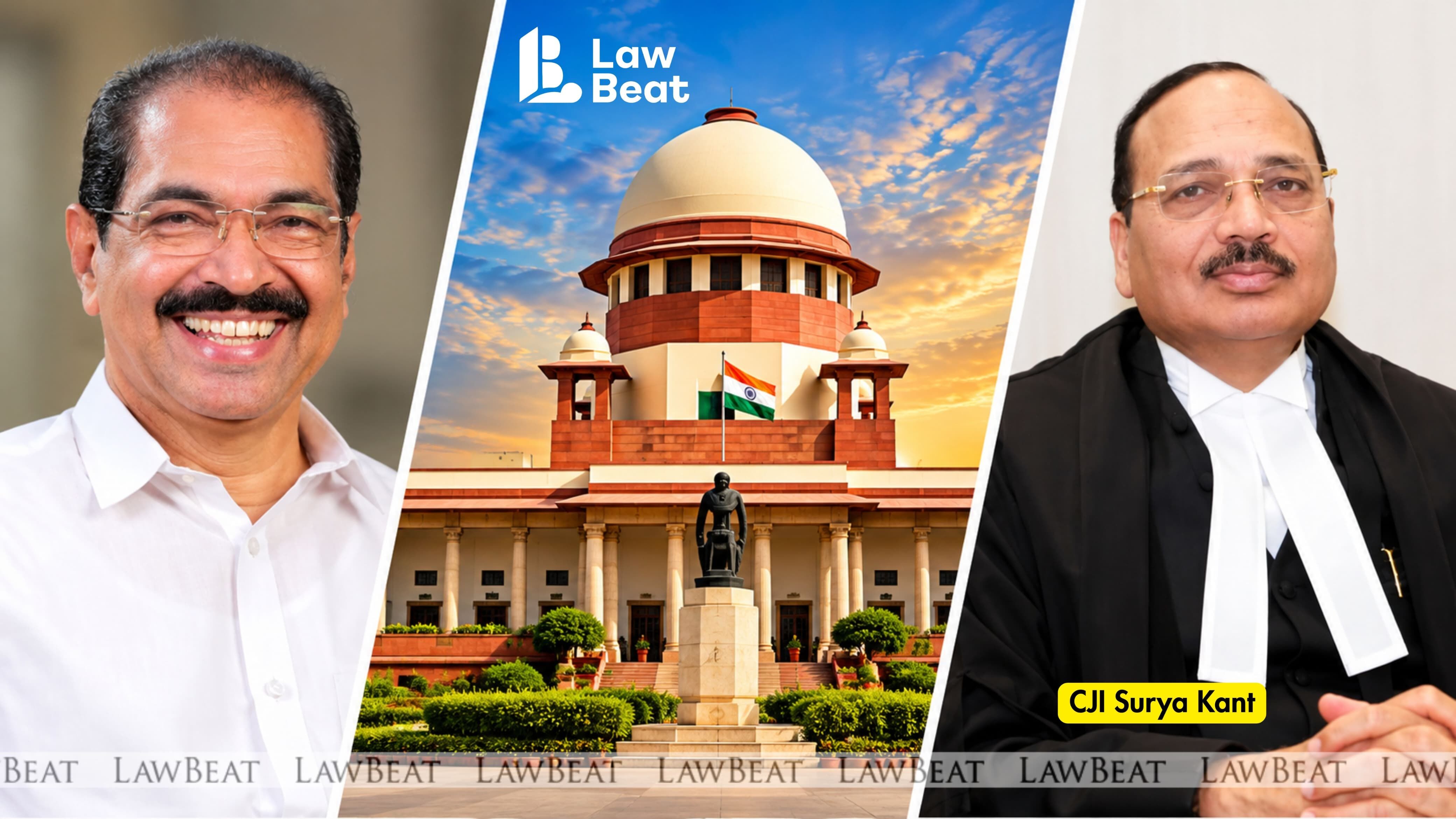
Kerala Congress Apologizes for CJI Surya Kant X Post
Summary
- The Kerala Pradesh Congress Committee (KPCC) issued an unconditional apology to Chief Justice of India Surya Kant over an X post demanding his resignation.
- The controversial post, dated October 12, 2026, was published by Vijay Thottathil without the KPCC leadership's authorization.
- KPCC President Sunny Joseph signed the apology, responding to a legal notice from Advocate Meenesh Dubey.
- Thottathil was removed from his position and instructed to issue a public apology, while the KPCC repudiated the post's content.
- The incident prompts a review of the party's social media account access arrangements and oversight of external digital communication agencies.
Unconditional Apology Issued
The absence of prior authorization was offered as a factual explanation, not a justification for the expressions used.
The Kerala Pradesh Congress Committee (KPCC) has formally extended an unconditional apology to Chief Justice of India (CJI) Surya Kant. This significant development stems from a controversial post published on October 12, 2026, via the official X account of INC Keralam, which explicitly called for the CJI's resignation. The apology was conveyed in a reply dated October 22, 2026, signed by KPCC President Sunny Joseph, in response to a legal notice served by Supreme Court Advocate Meenesh Dubey, which the party received on October 21.
The KPCC's communication clarified that the contentious post was the sole action of Vijay Thottathil, executed without the prior knowledge, approval, or consultation of the party's leadership. Upon learning of the unauthorized content, the party leadership promptly removed Thottathil from his position and mandated that he issue a public apology for the impugned publication. This swift action, according to the KPCC, demonstrates the leadership's clear disapproval of his conduct and its commitment to directly address the matter.
Party's Official Position
In its formal response, the KPCC unequivocally reaffirmed its deep respect for the Constitution, the independence of the judiciary, and the constitutional office held by the Chief Justice of India. President Sunny Joseph emphasized that the expressions contained within the legal notice, referring to the controversial post, do not align with the policy, considered opinion, or authorized position of either the KPCC or the Indian National Congress. He further stated that neither he nor the party leadership had granted authorization to Thottathil to demand the CJI's resignation or to suggest the party would seek a replacement.
The party maintained that the use of its official social media account for such an unauthorized communication does not imply that its contents were approved by the leadership. Addressing a concern raised in the legal notice regarding the absence of an explicit reprimand, Joseph clarified that the KPCC disapproves of and disagrees with the language used in the post. He explicitly stated that the demand for resignation and the suggestion of finding a replacement for the Chief Justice were inappropriate and should never have appeared on an official party platform. The KPCC has since repudiated and withdrawn the statements in question, with Joseph tendering an unconditional apology to the CJI, distinct from the public apology sought from Vijay Thottathil, who is held responsible for the post. The absence of prior authorization was offered as a factual explanation, not a justification for the expressions used.
Implications for Digital Governance
This incident underscores critical issues surrounding social media governance, particularly for political entities and organizations utilizing external professional agencies for their digital communications. The KPCC's reply acknowledged the involvement of such an agency in its digital operations, yet stressed that this arrangement does not negate the necessity for effective oversight. The party indicated that the event necessitates a thorough examination of the existing arrangements governing access to its official X account and the scope of authority entrusted to its operators.
The controversy highlights the potential for significant reputational and legal risks when unauthorized content, especially criticism directed at constitutional officeholders like Chief Justice Surya Kant, appears on official platforms. It serves as a stark reminder of the importance of robust internal controls and clear communication protocols to prevent such occurrences, ensuring that all public statements accurately reflect the organization's approved stance and adhere to legal and ethical standards.
Practical Implications
This incident serves as a critical reminder for legal and compliance teams within organizations, including political entities, to implement robust social media governance policies. It underscores the potential legal and reputational risks associated with unauthorized or inappropriate online content, particularly when directed at constitutional officeholders, and highlights the necessity of strict oversight for external digital communication agencies to prevent similar liabilities.
Source
How does this affect you?
Get an AI analysis of this article grounded in your jurisdictions, practice areas, and any policy documents you've uploaded to Wansom.
Finish Reading the Full Story and the Expert Analysis.
Wansom is AI and can make mistakes.