
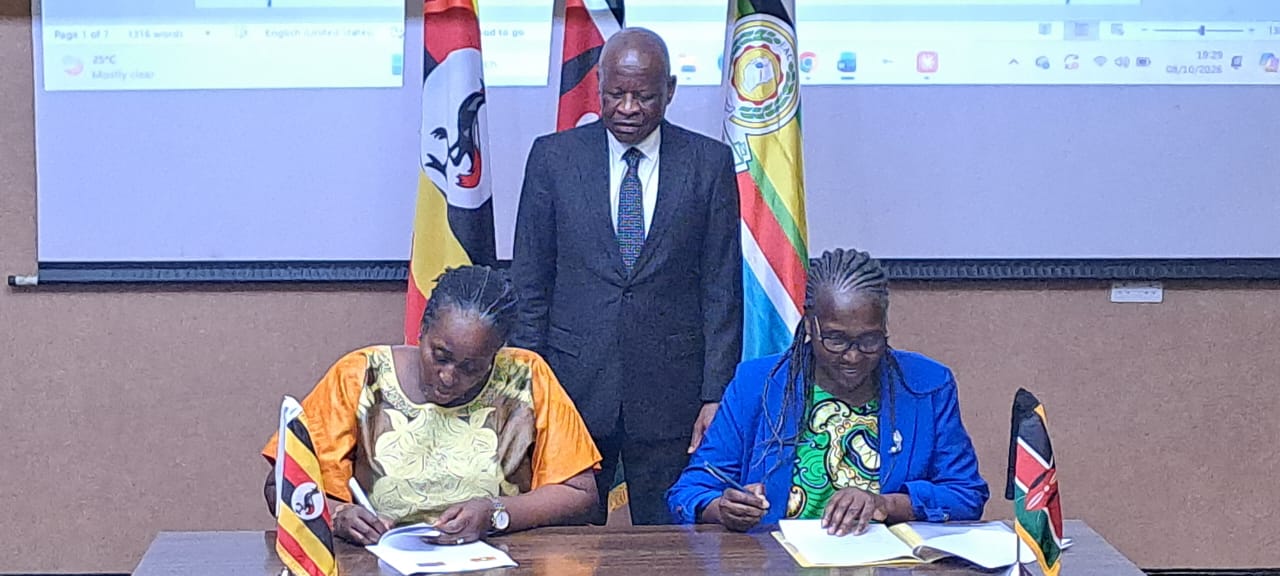
Kenya, Uganda: Regina Ombam Leads Talks on Outstanding Trade Barriers
Summary
- Kenya and Uganda recently held talks in Kampala to address existing trade barriers.
- The discussions aimed to resolve outstanding issues limiting bilateral trade between the two East African nations.
- Kenya's delegation was led by Trade Principal Secretary Regina Ombam.
- Ms. Ombam indicated that significant progress has already been made in tackling tariff and non-tariff issues.
- The resolution of these barriers is vital for enhancing regional trade and economic integration.
Recent Diplomatic Engagement
The ongoing efforts to resolve Kenya Uganda outstanding trade barriers are crucial for enhancing economic cooperation within the East African Community (EAC).
Officials representing Kenya and Uganda recently convened in Kampala to address persistent obstacles that have historically constrained the free flow of goods and services between the two East African nations. The primary objective of these high-level discussions was to identify and resolve the various outstanding issues that continue to impede robust bilateral trade, fostering a more integrated economic environment.
The Kenyan delegation was led by Trade Principal Secretary Regina Ombam, who played a pivotal role in the proceedings. During the meeting, Ms. Ombam articulated that both countries have already achieved significant strides in tackling complex trade challenges. This progress specifically pertains to both tariff and non-tariff barriers, indicating a concerted effort to streamline cross-border commerce.
Context of Bilateral Trade Issues
The ongoing efforts to resolve Kenya Uganda outstanding trade barriers are crucial for enhancing economic cooperation within the East African Community (EAC). These barriers typically manifest as duties or taxes on imported goods (tariffs) and various non-tariff measures such as quotas, import licensing procedures, technical regulations, and customs delays. Such impediments invariably increase the cost of doing business, reduce market access, and can deter investment, thereby limiting the overall volume and value of Kenya Uganda bilateral trade issues.
Addressing these specific Kenya Uganda tariff non-tariff barriers is essential for unlocking the full potential of regional trade. While progress has been noted, the continued existence of these issues underscores the complexity of harmonizing trade policies and practices between sovereign states, even within a common market framework. The discussions in Kampala represent a renewed commitment to systematically dismantle these hindrances.
Why Resolution Matters
The successful resolution of these trade issues holds substantial implications for the economic prosperity of both Kenya and Uganda, as well as for the broader East African region. Reduced trade barriers can lead to lower consumer prices, increased competition, and greater opportunities for businesses to expand their markets. This East Africa trade barrier resolution directly contributes to the goals of regional economic integration and the free movement of goods, services, capital, and people.
For businesses engaged in cross-border trade, the outcome of these Regina Ombam trade talks could significantly alter operational landscapes. Changes in EAC trade policy, particularly concerning tariffs and non-tariff measures, will directly impact import and export costs, compliance requirements, and overall market accessibility. Therefore, the ongoing dialogue between Kenya and Uganda is a critical development for stakeholders monitoring the evolution of trade relations in East Africa.
Practical Implications
Lawyers and compliance officers advising businesses engaged in cross-border trade between Kenya and Uganda should closely monitor the progress of these discussions for potential changes to tariff and non-tariff barriers, which could impact import/export costs, compliance requirements, and market access.
Source
How does this affect you?
Get an AI analysis of this article grounded in your jurisdictions, practice areas, and any policy documents you've uploaded to Wansom.
Finish Reading the Full Story and the Expert Analysis.
Get the latest legal & regulatory intelligence in Kenya
Wansom is AI and can make mistakes.