
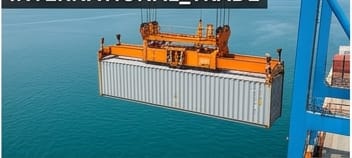
Kenya-UAE Comprehensive Economic Partnership Agreement Signed by Presidents
Summary
- The Kenya-United Arab Emirates Comprehensive Economic Partnership Agreement (CEPA) is the first such pact between the UAE and a mainland African nation.
- Kenya's 2023 exports to the UAE included KSh9.9 billion in meat products, KSh5.2 billion in fruits, and KSh5.6 billion in vegetables and flowers.
- The CEPA aims to eliminate trade barriers, simplify customs, and promote industrialization, digital trade, and sustainability.
- It creates new market access for Kenyan service providers in the UAE and significant investment opportunities for the UAE in Kenya's energy, agriculture, and ICT sectors.
- The agreement positions the UAE as a capital and technology provider and Kenya as a strategic gateway to the East African market.
Historic Economic Pact Forged Between Kenya and UAE
The Kenya-United Arab Emirates Comprehensive Economic Partnership Agreement (CEPA) is the first time the UAE has entered into such a comprehensive economic partnership with a mainland African nation, signaling a strategic move to deepen economic ties beyond traditional trade relationships.
A landmark agreement, the Kenya-United Arab Emirates Comprehensive Economic Partnership Agreement (CEPA), has been officially signed by President William Ruto and UAE President Sheikh Mohamed bin Zayed Al Nahyan. This significant pact marks the first time the UAE has entered into such a comprehensive economic partnership with a mainland African nation, signaling a strategic move to deepen economic ties beyond traditional trade relationships.
The CEPA is envisioned as more than a standard trade deal; it aims to establish a robust economic corridor connecting East Africa with the Gulf region. This initiative seeks to streamline international commerce for various stakeholders, from agricultural producers in Kenya to technology entrepreneurs in Nairobi and logistics firms operating through Mombasa, by simplifying cross-border transactions and fostering new market access.
The agreement's broader ambition is to enhance the quality of trade between the two nations, moving beyond mere volume increases. It addresses critical areas such as the elimination of trade barriers, the simplification of customs procedures, and the promotion of industrialization and regional value chains, thereby creating a more integrated and efficient trading environment.
Current Trade Landscape and Future Opportunities
Kenya's export profile to the UAE in 2023 highlighted a strong agricultural component. Meat and meat products constituted a significant portion, valued at KSh9.9 billion, representing over half of Kenya's total meat exports, which stood at KSh18.3 billion. Other substantial agricultural exports included fruits, primarily pineapples, avocados, and mangoes, contributing KSh5.2 billion, alongside vegetables and flowers, which generated KSh5.6 billion and support millions of livelihoods.
In return, the UAE serves as a crucial supplier of essential goods to Kenya, including petroleum, machinery, and chemicals. The Kenya-UAE Comprehensive Economic Partnership Agreement is designed to diversify and expand these trade flows, creating new avenues for growth. It extends beyond goods to encompass services, technological innovation, digital trade, and sustainability initiatives.
This expanded scope opens considerable opportunities for Kenyan service providers in sectors such as education, transport, communications, construction, and engineering to access the UAE market. Simultaneously, the agreement is set to attract significant investment from the UAE into various sectors of the Kenyan economy, including energy, water, agriculture, health, ports, airports, logistics, human resource development, and information and communication technology (ICT).
Strategic Alignment and Mutual Benefits
The CEPA aligns with the Kenyan government's strategic policy objectives, particularly its aim to reduce reliance on borrowing by attracting foreign direct investment, investment capital, and fostering public-private partnerships. This approach seeks to stimulate economic growth through sustainable, externally funded development.
The partnership offers substantial mutual benefits. The UAE, recognized globally as a major trading, logistics, and financial hub, brings capital, advanced technology, infrastructure expertise, and access to extensive markets across the Middle East, Asia, and beyond. This provides a vital conduit for Kenyan products and services to reach a broader international audience.
Conversely, Kenya offers an equally valuable proposition: a strategic gateway into the East African region, providing access to a large and expanding market. The relationship transcends a traditional buyer-and-seller dynamic, acknowledging Kenya's evolution into a regional hub for technology, finance, communications, professional services, and innovation. This transformation enables Kenyan developers in Nairobi to serve clients in Dubai, allows Kenyan engineering firms to participate in infrastructure projects, and facilitates digital businesses in reaching the Gulf market, underscoring the comprehensive nature of the Kenya-UAE economic partnership.
Practical Implications
Lawyers should advise clients on new market access opportunities for Kenyan service providers in the UAE and investment prospects for UAE entities in Kenya, particularly concerning simplified customs, digital trade, and sustainability provisions. Compliance officers must monitor the implementation of the CEPA for changes in trade regulations and customs procedures affecting cross-border transactions and supply chains.
Source
How does this affect you?
Get an AI analysis of this article grounded in your jurisdictions, practice areas, and any policy documents you've uploaded to Wansom.
Finish this article free. Just your email for instant unlock.
Wansom is AI and can make mistakes.