
Kenya: Signs Children Climate Declaration, 80th Nation to Join
Summary
- Kenya became the 80th country to sign the Intergovernmental Declaration on Children, Youth and Climate Action on November 5.
- The declaration commits Kenya to center children's rights, needs, and voices in its climate response.
- Approximately 12 million Kenyan children face moderate to very high risks from climate change and disasters.
- Kenya will implement the declaration through existing climate policies, improved planning, and investment, using child-focused assessment indicators.
- The nation plans to advocate for children's climate rights at the upcoming COP31 conference in 2026.
A Landmark Commitment for Children's Climate Rights
She underscored the view that children and young people are not merely recipients of aid but are vital, active partners in crafting climate solutions and fostering a just, inclusive, and climate-resilient future for all.
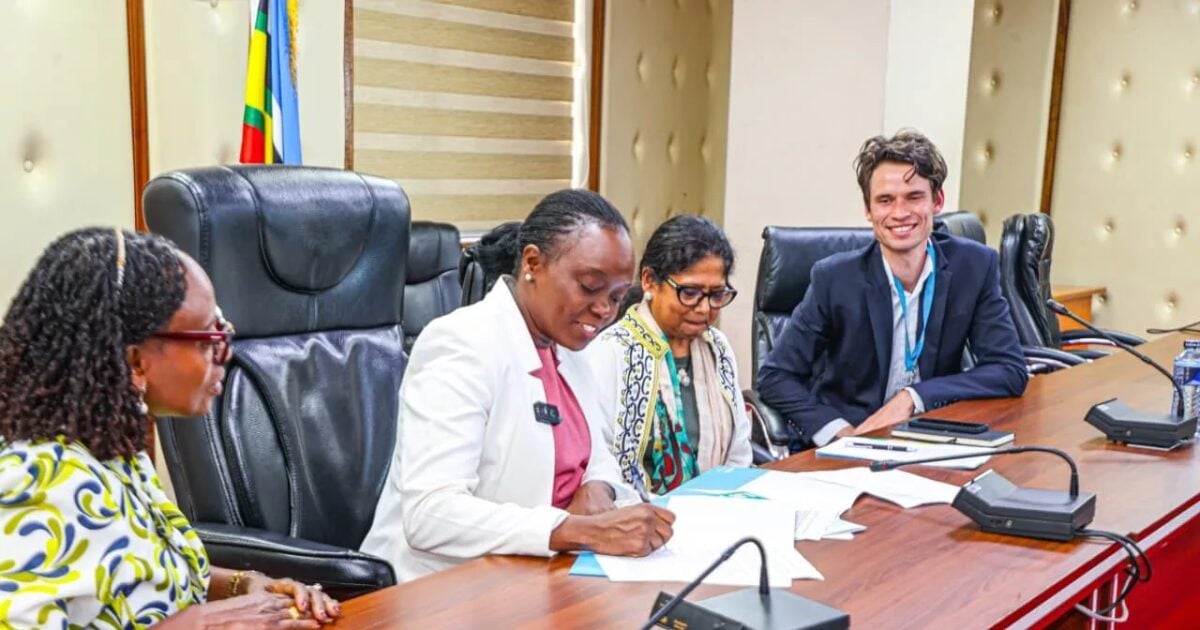
Kenya has officially endorsed the Intergovernmental Declaration on Children, Youth and Climate Action, becoming the 80th nation to join this global initiative. This significant step, taken on November 5, signifies the nation's pledge to prioritize the rights, needs, and perspectives of its younger population within its overarching climate response strategies. The formal signing was executed by Deborah Barasa, the Cabinet Secretary for Environment, Climate Change and Forestry, representing the Kenyan government, with Shaheen Nilofer, UNICEF Representative to Kenya, present to witness the commitment.
This declaration is not merely symbolic; it mandates that governments integrate the protection of children's rights from climate change impacts into their national policies, development plans, and investment frameworks. Furthermore, signatory countries are expected to ensure that children and young people are given meaningful opportunities to participate in climate-related decision-making processes. The commitment by Kenya signs children climate declaration underscores a growing international recognition of the unique vulnerabilities faced by younger generations in the face of environmental crises.
The Dire Reality for Kenya's Youth
The urgency behind Kenya's commitment is starkly illustrated by the current climate risks facing its children. Data indicates that approximately 12 million of Kenya's 24.6 million children are exposed to moderate to very high risks stemming from climate change and associated disasters. A particularly vulnerable segment comprises 2.4 million children residing in seven specific counties identified as highly susceptible to climate impacts. These figures highlight the profound challenges that climate change poses to the nation's youngest citizens.
The declaration explicitly details how climate-induced events, such as severe floods and prolonged droughts, severely impede children's access to fundamental services. These include safe water, sanitation facilities, healthcare, adequate nutrition, and consistent education. Moreover, the document draws attention to the disproportionate risks borne by girls and children with disabilities, who often experience amplified vulnerabilities during environmental crises. UNICEF's Shaheen Nilofer emphasized that children disproportionately suffer from climate change, experiencing educational disruptions, health and nutrition threats, displacement, and diminished access to essential child-critical services. She further asserted that Kenya's endorsement solidifies the principle that children's rights, requirements, and voices must form the bedrock of all climate policy, financing, and action.
Integrating Rights into National Climate Policy
Kenya's commitment to the Intergovernmental Declaration on Children, Youth and Climate Action builds upon an existing robust framework of national environmental policies. This includes the Kenya National Climate Change Action Plan 2023–2027, which already designates children and youth as a key priority area for intervention. The nation's Nationally Determined Contribution under the Paris Agreement also provides a foundation for these new commitments. The government has articulated its intention to implement the declaration through its current climate policies, enhanced planning strategies, and targeted investments.
To ensure accountability and track progress, Kenya will employ a comprehensive assessment methodology. This will involve utilizing child-focused climate-risk evidence and specific indicators designed to monitor the resilience of essential services. Furthermore, the assessment will track climate financing allocated to these critical services and evaluate the extent of young people's participation in policy development processes. Cabinet Secretary Deborah Barasa affirmed Kenya's dedication to investing in essential services that are resilient to climate impacts, mobilizing accessible and inclusive climate finance, and bolstering the capacity of vulnerable communities. She underscored the view that children and young people are not merely recipients of aid but are vital, active partners in crafting climate solutions and fostering a just, inclusive, and climate-resilient future for all. This approach aligns with the broader goals of Kenya climate change policy children.
Global Advocacy and Future Outlook
The Intergovernmental Declaration on Children, Youth and Climate Action, originally launched in 2019 during the UN climate conference COP25, represents a concerted global effort to safeguard younger generations from environmental degradation. Kenya's recent signing positions it as a key advocate on the international stage for this critical agenda. Looking ahead, the nation has declared its intention to leverage the upcoming COP31 conference, scheduled for November 9-20, 2026, in Antalya, Türkiye, as a platform.
At COP31, Kenya plans to vigorously champion the prioritization of children's rights, needs, and voices within global climate policy, funding mechanisms, and action plans. This forward-looking stance reflects a strategic effort to influence international discourse and ensure that the unique vulnerabilities and potential contributions of children and youth are central to worldwide climate initiatives. The commitment by Kenya, alongside UNICEF Kenya climate action, signals a proactive approach to integrating child-centric considerations into both national and global climate strategies.
Practical Implications
Lawyers advising on environmental and social governance (ESG) or climate-related projects in Kenya should anticipate increased scrutiny on the impact of such projects on children and youth. Compliance officers must monitor the forthcoming integration of children's rights into national climate policies and investment frameworks to ensure project designs and operations meet these evolving standards, potentially requiring child-focused impact assessments.
Source
How does this affect you?
Get an AI analysis of this article grounded in your jurisdictions, practice areas, and any policy documents you've uploaded to Wansom.
Finish Reading the Full Story and the Expert Analysis.
Get the latest legal & regulatory intelligence in Kenya
Wansom is AI and can make mistakes.