
Kenya, Saudi Arabia: Domestic Worker Recruitment Pilot Launched to Cut Fees
Summary
- Kenya and Saudi Arabia launched a three-month pilot program to review recruitment fees for Kenyan domestic workers.
- A letter of intent was signed, establishing voluntary recruitment fees based on market competitiveness.
- A technical annex to the bilateral agreement from July 5, 2026, was also signed, aiming to streamline procedures and reduce costs.
- The annex will strengthen contractual regulations and improve awareness of rights and obligations for domestic workers and employers.
- This initiative is part of broader efforts to regulate overseas recruitment and enhance Kenyan access to the Saudi labor market.
What Happened
The newly signed annex introduces several key provisions intended to modernize and regulate the recruitment process.
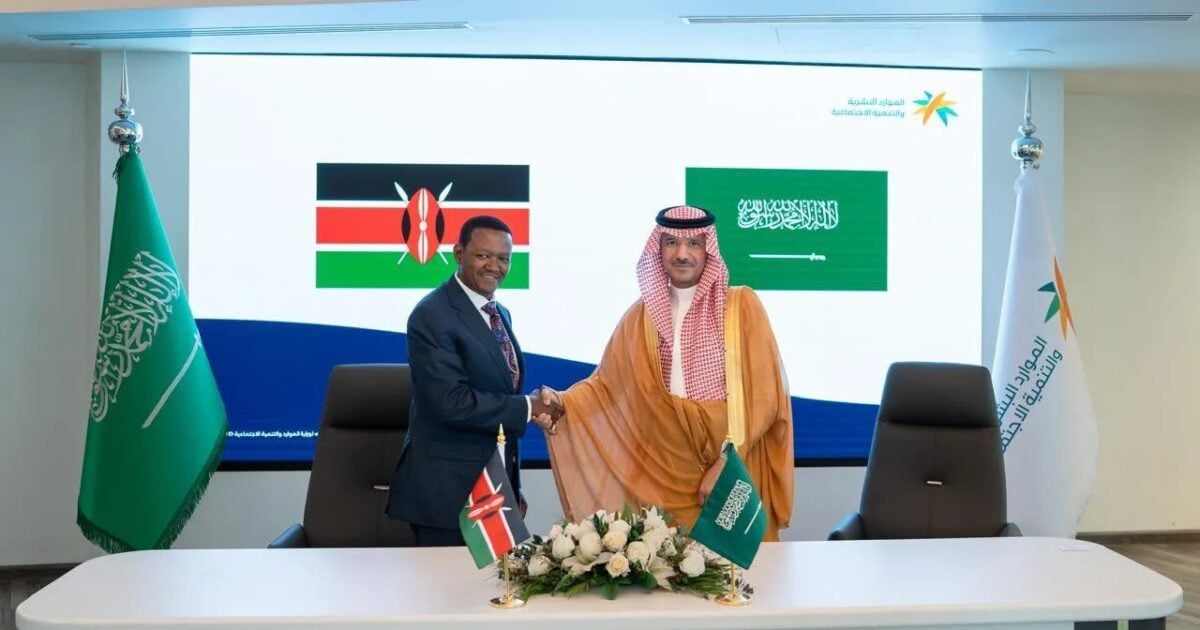
Kenya and Saudi Arabia have recently initiated a three-month pilot program aimed at reassessing the recruitment fees associated with Kenyan domestic workers seeking employment opportunities within the Kingdom. This significant development was announced on November 11, following a high-level meeting in Riyadh between Kenya's Labour Cabinet Secretary, Alfred Mutua, and Saudi Arabia's Vice Minister for Labour, Dr Abdullah bin Nasser Abuthnain. The discussions culminated in the signing of two crucial documents that outline the framework for this new initiative.
During the meeting, a letter of intent was formally signed, which stipulates that recruitment fees will now be determined voluntarily, based on principles of market cost competitiveness. This strategic move is designed to bolster Kenya's position against other labor-sending nations, ensuring its continued appeal as a source of skilled domestic workers. Furthermore, it is expected to broaden the avenues for employment available to Kenyan citizens abroad, aligning with the nation's broader economic and social objectives.
Regulatory Framework
Beyond the letter of intent, the two nations also executed a technical annex to their existing bilateral agreement concerning the recruitment of domestic workers. This original agreement was established on July 5, 2026. The newly signed annex introduces several key provisions intended to modernize and regulate the recruitment process. These include the implementation of streamlined recruitment procedures, a commitment to reducing overall recruitment costs, and the integration of advanced technological processes to enhance efficiency and transparency.
The technical annex also places a strong emphasis on strengthening the regulatory oversight of contractual relationships between employers in Saudi Arabia and Kenyan domestic workers. A core objective is to improve the awareness of both parties regarding their respective rights and obligations, fostering a more equitable and transparent working environment. According to Cabinet Secretary Mutua, this comprehensive framework is anticipated to significantly improve the quality of recruitment services, boost operational efficiency, and ensure that the entire employment process adheres strictly to approved regulations.
Why It Matters
This three-month pilot program represents a critical component of a wider strategic effort by both Kenya and Saudi Arabia to enhance the regulation of overseas recruitment practices. The overarching goal is to make the Saudi labor market more accessible and attractive for Kenyan workers, while simultaneously addressing long-standing concerns related to their welfare. Discussions between the two countries also encompassed broader issues such as improving the general welfare, remuneration, and working conditions for Kenyans already employed in Saudi Arabia.
The agreement on voluntary recruitment fees, tied to market competitiveness, is particularly significant as it aims to ensure Kenya remains a competitive source of labor. By expanding employment opportunities for its citizens, Kenya seeks to leverage its human capital on the international stage. Ultimately, this initiative underscores a shared commitment to fostering a more structured, transparent, and worker-centric approach to international labor migration, with potential long-term benefits for both nations.
Practical Implications
This agreement signals upcoming changes to recruitment procedures and costs for Kenyan domestic workers in Saudi Arabia. Lawyers advising recruitment agencies must monitor the outcome of this three-month pilot and the subsequent implementation of the technical annex to the bilateral agreement to ensure their clients' compliance with new streamlined processes, reduced fee structures, and strengthened contractual regulations. It also impacts legal advice for individuals seeking employment regarding their rights and obligations.
Source
Source: Reporting based on Capital News.
How does this affect you?
Get an AI analysis of this article grounded in your jurisdictions, practice areas, and any policy documents you've uploaded to Wansom.
Finish Reading the Full Story and the Expert Analysis.
Get the latest legal & regulatory intelligence in Kenya
Wansom is AI and can make mistakes.