
Kenya: Public Health (Ebola Disease) Rules 2026 Enacted Amidst Outbreak
Summary
- Kenya officially declared Ebola a formidable epidemic disease following its first imported case of the Bundibugyo strain.
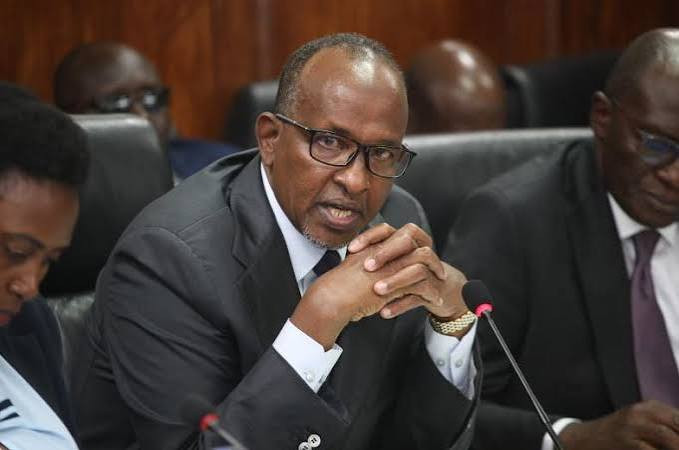
- Health Cabinet Secretary Aden Duale issued Legal Notice No. 203 and Legal Notice No. 204 on October 12, establishing the Kenya Public Health (Ebola Disease) Rules, 2026, under Section 35 of the Public Health Act.
- The new regulations mandate comprehensive Ebola screening, quarantine, isolation, and contact tracing measures, assigning responsibilities to various entities including transport operators and health facilities.
- The rules also cover safe body disposal, record-keeping, public communication, and outline offences and penalties, though specific penalty details were not published.
- The World Health Organization reported 127 contacts traced and over 665,000 travelers screened, while advising against travel or trade restrictions on affected countries.
What Happened
For lawyers advising healthcare facilities, transport operators, or businesses with international operations in Kenya, the immediate review of the new Kenya Public Health (Ebola Disease) Rules, 2026, is imperative.
Kenya has officially designated the Ebola virus as a formidable epidemic disease, a critical move that introduces comprehensive new regulations for its management. This declaration, issued by Health Cabinet Secretary Aden Duale, was formalized through a legal notice published in the Kenya Gazette on Monday, October 12. The action was taken under the authority of Section 35 of the Public Health Act, establishing a robust legal foundation for the country's response.
This significant step followed the confirmation of Kenya's first imported case of the Bundibugyo Ebola virus disease on October 6. The patient, a Kenyan national who had resided in the Democratic Republic of Congo, traveled through Uganda before arriving in Nairobi. Despite receiving supportive medical care, the individual unfortunately succumbed to the illness. This initial case immediately prompted health authorities to initiate contact tracing efforts and enhance screening protocols at all points of entry into the country. The World Health Organization (WHO) reported on October 12 that Kenya had identified 127 contacts, with 94 individuals placed under quarantine, and had screened over 665,000 travelers at various entry points. The WHO also provided essential protective equipment and testing materials, valued at approximately US$70,000, to bolster the nation's preparedness and response capabilities.
Legal and Regulatory Framework
The government's response on October 12 included the publication of two distinct legal instruments. Legal Notice No. 203 Kenya formally declared Ebola a formidable epidemic, while Legal Notice No. 204 Kenya established the comprehensive Kenya Public Health (Ebola Disease) Rules, 2026. These new regulations are designed to provide a detailed framework for managing the disease, covering critical aspects such as Ebola screening quarantine Kenya regulations at points of entry, thorough medical assessment, isolation procedures, patient referral pathways, and ongoing monitoring.
The Public Health (Ebola Disease) Rules, 2026, meticulously delineate responsibilities for various stakeholders, including transport operators, healthcare facilities, medical practitioners, and laboratories. Health authorities are mandated to conduct investigations and rigorous contact tracing, while designated health facilities are tasked with the management of both suspected and confirmed cases. Furthermore, the rules address the inspection and decontamination of premises, ensuring environmental safety. They also provide specific guidelines for the safe and dignified disposal of bodies, outlining burial procedures, record-keeping requirements, and protocols for transportation and repatriation. The regulations extend to public communication strategies, defining the role of media houses in public sensitization and outlining how enforcement agencies will provide assistance. While the rules stipulate offences and penalties for non-compliance, the specific monetary or punitive details for individual violations were not specified in the Gazette extract.
Why It Matters
The Bundibugyo virus disease, a particular strain of Ebola, is known to spread through direct contact with the blood or other bodily fluids of an infected person, or via contaminated materials. Exposure can also occur through contact with the body of someone who has died from the disease, particularly during unsafe burial practices. Symptoms typically include fever, fatigue, muscle pain, headache, and a sore throat, often progressing to vomiting and diarrhea. The incubation period for the virus can range from two to 21 days. The World Health Organization has noted that there is currently no approved vaccine or specific treatment available for the Bundibugyo strain, underscoring the critical importance of early detection, isolation, supportive care, and diligent contact tracing in controlling its spread. Despite the confirmed case, the WHO has advised against imposing travel or trade restrictions on Kenya, Uganda, or the Democratic Republic of Congo, based on the information available.
For lawyers advising healthcare facilities, transport operators, or businesses with international operations in Kenya, the immediate review of the new Kenya Public Health (Ebola Disease) Rules, 2026, is imperative. These regulations establish a comprehensive legal framework for managing the disease, encompassing everything from identifying suspected infections and monitoring contacts to providing patient care and preventing exposure during burials. Understanding these updated screening, isolation, quarantine, and reporting obligations is crucial for ensuring compliance and mitigating potential liabilities and penalties for non-compliance. The robust legal structure now in place aims to protect public health and prevent further spread of the formidable epidemic.
Practical Implications
Lawyers advising healthcare facilities, transport operators, or businesses with international operations in Kenya must immediately review the new Public Health (Ebola Disease) Rules, 2026 to ensure compliance with updated screening, isolation, quarantine, and reporting obligations, and to understand potential liabilities and penalties for non-compliance.
Source
How does this affect you?
Get an AI analysis of this article grounded in your jurisdictions, practice areas, and any policy documents you've uploaded to Wansom.
Finish Reading the Full Story and the Expert Analysis.
Get the latest legal & regulatory intelligence in Kenya
Wansom is AI and can make mistakes.