
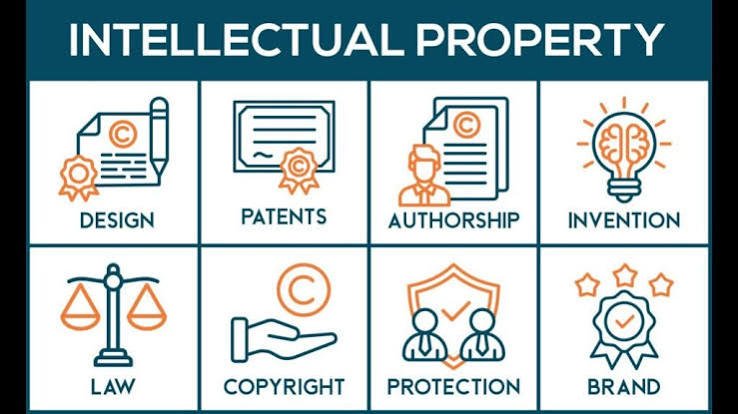
KENYA proposes a NEW INTELLECTUAL PROPERTY BILL
Introduction
Kenya’s intellectual property framework has long rested on a patchwork of legislation: the Industrial Property Act, 2001 (patents, utility models and industrial designs, administered by KIPI); the Copyright Act, 2001 (copyright, administered by KECOBO); and the Anti-Counterfeit Act, 2008 (counterfeit goods, administered by the Anti-Counterfeit Authority). Each body has operated independently, with its own board, staff, budget and dispute-resolution mechanism.
Background
The Bill repeals the Industrial Property Act, the Copyright Act and the Anti-Counterfeit Act in their entirety and replaces them with a single master law. In the same movement, KIPI, KECOBO and the Anti-Counterfeit Authority are dissolved, and their functions, assets, liabilities, staff and pending proceedings vest in a new body corporate: the Kenya Intellectual Property Authority (KIPA). Registration, licensing, enforcement and public-awareness functions across the whole of the field will be discharged from one institution, headquartered in Nairobi.
The Bill establishes a single Intellectual Property Tribunal in place of the separate dispute-resolution bodies presently constituted under the Industrial Property Act and the Copyright Act. Its Chairperson is to be appointed by the President from among persons qualified to hold office as a judge of the High Court, with not less than five years’ experience in intellectual property; six further members are to be appointed by the Cabinet Secretary. The Tribunal will hear and determine intellectual property disputes of every description, patents, copyright, trade marks and anti-counterfeit matters, its decisions enforceable as orders of the court, with an appeal lying to the High Court within sixty days. For the rights holder, that means one forum, one procedure and, in time, one coherent body of jurisprudence
The Bill breaks new ground in Kenyan law by addressing artificial intelligence expressly. It draws the distinction between AI-Assisted Inventions, where a human being makes a meaningful intellectual contribution and the machine serves as a tool, and AI-Generated Inventions, where the artificial intelligence autonomously generates the invention without direct human involvement. Critically, AI-Generated Inventions are expressly excluded from patent protection. On the copyright side, the Bill addresses the liability of online intermediaries, providing a structured notice-and-takedown regime and a site-blocking mechanism for live events. Traditional knowledge and genetic resources receive substantial protection: prior informed consent is required before a patent may be granted over an invention derived from biological resources
Analysis
If passed into law, the Bill will require businesses, innovators and rights holders to engage a single regulatory authority for all intellectual property matters
Strategies presently spread across multiple registries, licences and dispute forums will need to be reviewed for alignment with the consolidated regime
Businesses operating in technology, the creative industries, agribusiness and pharmaceuticals should attend particularly to the artificial intelligence provisions, the updated compulsory licensing regime and the enhanced border enforcement mechanisms
Conclusion
The Bill contains detailed transitional provisions under which all existing registrations, licences, contracts and pending proceedings are preserved and continue under the new framework
Citations
- 1.Wamae & Allen LLP," The Kenya Intellectual Property Bill, 2026: A New Legal Architecture for Intellectual Property in Kenya", Charles Wamae & 3 others
Finish Reading the Full Story and the Expert Analysis.
Get the latest legal & regulatory intelligence in Kenya
Wansom is AI and can make mistakes.