
Ruto Urges Parliaments: Pass Food Security Legislation
Summary
- President William Ruto urged global parliaments to use legislative and budgetary powers to combat hunger and malnutrition.
- He called for legislation guaranteeing the right to adequate food and for frameworks attracting private capital to treat food security as a long-term investment.
- Kenya's agricultural reforms have boosted maize production and made it Africa's top milk producer, but 2.7 million Kenyans still face food insecurity.
- The Kenyan government plans to construct 50 mega dams and thousands of smaller dams to irrigate an additional 2.5 million acres.
- Ruto also called for reform of the international financial architecture to provide affordable financing for African nations to address hunger and climate change.
What Happened
He advocated for the creation of frameworks designed to attract responsible private capital, repositioning food security as a vital long-term investment in national prosperity, rather than merely an annual expense.
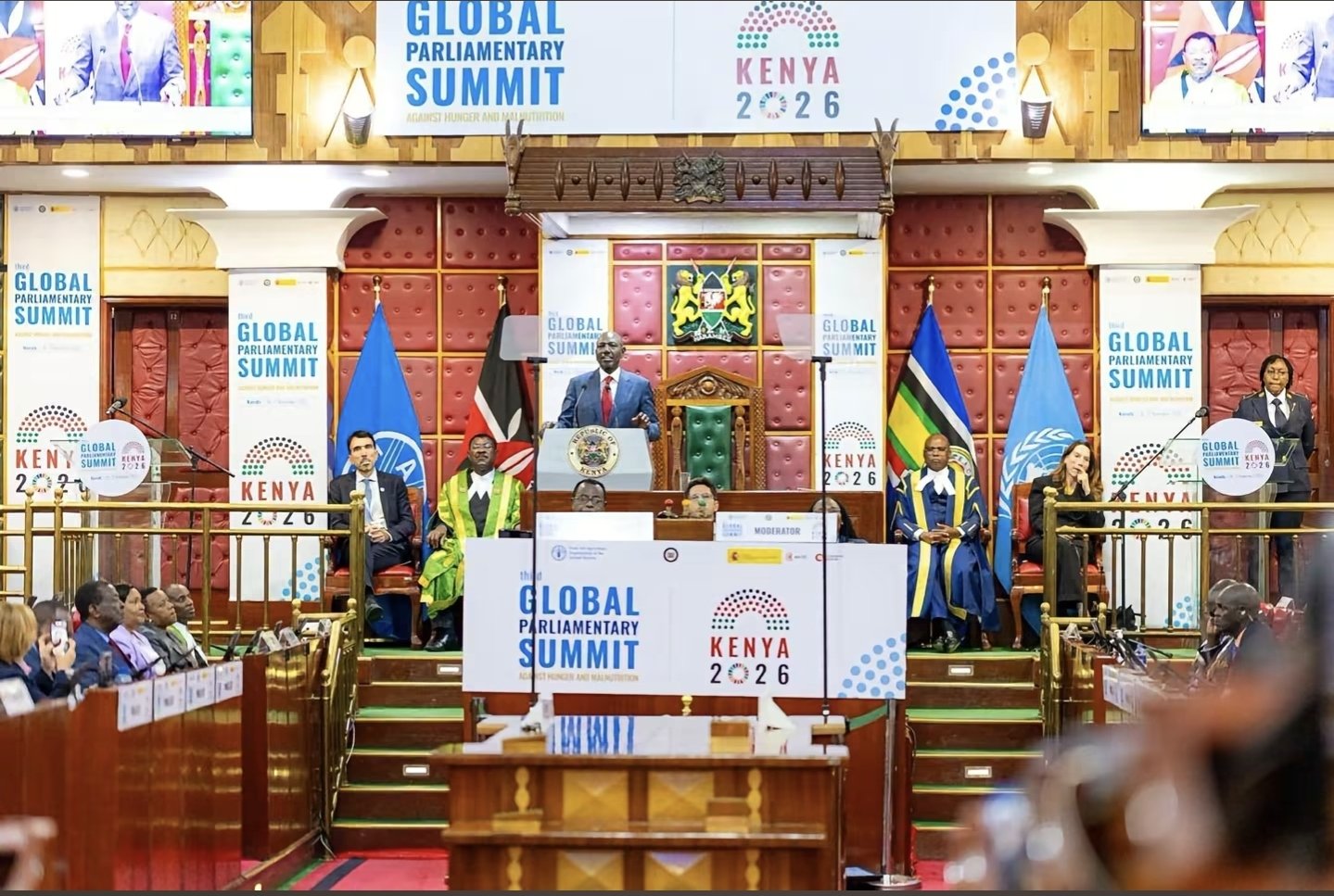
President William Ruto recently called upon legislative bodies worldwide to transform their commitments into concrete actions to combat global hunger and malnutrition. Speaking in Nairobi at the Third Global Parliamentary Summit Against Hunger and Malnutrition, President Ruto underscored the critical role parliaments play in translating political pledges into practical interventions. He emphasized that through their legislative authority, budgetary allocations, and oversight functions, parliaments possess the power to enact meaningful change.
The President specifically urged lawmakers to pass legislation that effectively guarantees the right to adequate food and nutrition for all citizens. He further challenged parliaments to leverage their legislative and budgetary influence, alongside parliamentary diplomacy, to foster more equitable financing mechanisms, enhance regional integration, boost climate-related investments, and establish a global economic framework that supports productive transformation rather than perpetuating dependency. He stressed the importance of safeguarding investments in agricultural productivity, irrigation, research, nutrition, and social protection through robust budgetary powers. Furthermore, he advocated for the creation of frameworks designed to attract responsible private capital, repositioning food security as a vital long-term investment in national prosperity, rather than merely an annual expense.
Kenya's Food Security Agenda
Highlighting Kenya's own journey, President Ruto pointed to significant agricultural reforms implemented over the past four years. These initiatives have reportedly led to a projected increase in maize production from 34.3 million bags in 2022 to an anticipated 71 million bags by 2025. Concurrently, Kenya has emerged as the leading milk producer across Africa. These advancements, according to the President, are a direct result of strategic policy reforms and consistent budgetary backing from the Kenyan Parliament, which has been instrumental in driving the nation's agricultural transformation agenda.
Despite this progress, President Ruto acknowledged that Kenya still faces substantial challenges in achieving comprehensive food security. Malnutrition, for instance, is estimated to impose an economic cost equivalent to 6.9 percent of the nation's Gross Domestic Product. Current assessments indicate that 2.7 million Kenyans are experiencing crisis levels of food insecurity, with hundreds of thousands of children, as well as pregnant and breastfeeding women, requiring urgent nutritional support. To tackle these pressing issues, the Kenyan government, through its National Infrastructure Fund, is embarking on an ambitious water infrastructure program. This extensive plan includes the construction of at least 50 mega dams, 200 medium and small dams, and thousands of micro dams. This significant investment in Kenya water infrastructure food security is projected to bring an additional 2.5 million acres under irrigation within the next five to seven years, transforming arid and semi-arid regions into productive agricultural and agro-processing hubs, enhancing climate resilience, and supporting Kenya's aspiration to become a net exporter of agricultural products.
Global Legislative Imperatives
Beyond national efforts, President Ruto extended his call to African parliaments, urging them to enact legislation that mobilizes domestic resources, strengthens food production capabilities, and provides sustainable solutions to food insecurity within their respective countries. He also reiterated the critical need for reforming the international financial architecture. This reform is essential to enable African nations to access affordable financing necessary to combat hunger, bolster agricultural output, and effectively respond to the impacts of climate change. The President noted that African countries frequently face significantly higher interest rates on borrowing compared to advanced economies, bear disproportionate debt-servicing burdens, and struggle to secure affordable, long-term capital.
Addressing the delegates at the Global Parliamentary Summit Against Hunger, President Ruto issued a direct challenge: to move beyond mere declarations and commitments. He emphasized the imperative for legislative bodies to deliver measurable improvements in the daily lives of families and communities worldwide who are affected by hunger and malnutrition. This call for action underscores the profound responsibility of parliaments to translate high-level discussions into tangible, impactful results through robust Kenya food security legislation and dedicated parliamentary budget food security allocations.
Practical Implications
Lawyers advising clients in Kenya's agricultural sector, food processing, or infrastructure development (especially water projects) should closely monitor upcoming legislative and budgetary changes aimed at enhancing food security. These developments may introduce new regulatory requirements, compliance obligations, or opportunities for private investment in line with the government's ambitious agricultural transformation agenda.
Source
How does this affect you?
Get an AI analysis of this article grounded in your jurisdictions, practice areas, and any policy documents you've uploaded to Wansom.
Finish Reading the Full Story and the Expert Analysis.
Get the latest legal & regulatory intelligence in Kenya
Wansom is AI and can make mistakes.