
Kenya: IPOA, Police Investigate Francis Odee Arrest, Mistreatment Claims
Summary
- Citizen TV journalist Francis Odee was arrested on October 20 while covering fuel price protests in Nairobi.
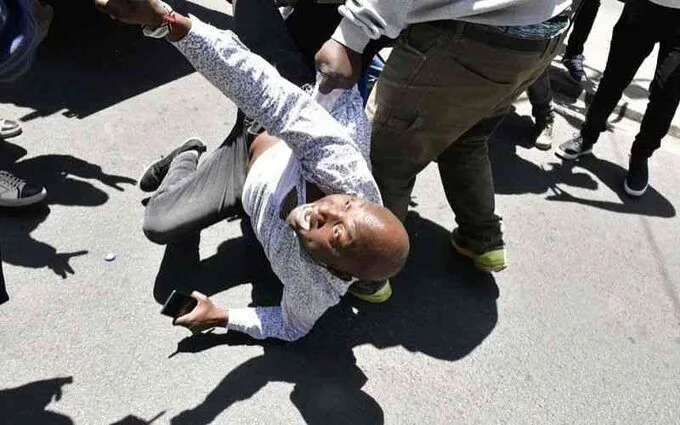
- Odee alleges he was roughed up by plainclothes officers and briefly detained at Central Police Station before being released without charges.
- The National Police Service Internal Affairs Unit has launched an investigation into the incident.
- The Independent Policing Oversight Authority Kenya is conducting a separate probe following Odee's formal complaint.
- Media organizations are demanding accountability and emphasizing journalists' right to cover public events without intimidation.
The Incident
The outcome will not only address the specific allegations of Francis Odee's mistreatment but also carry significant implications for the broader landscape of media freedom and police accountability in the country.
On October 20, Citizen TV journalist Francis Odee was apprehended by plainclothes officers while covering demonstrations in Nairobi's Central Business District. The protests, organized by activists on Kimathi Street, were a response to increased fuel prices, which had recently been adjusted by the Energy and Petroleum Regulatory Authority (EPRA). Despite Odee repeatedly identifying himself as a member of the media, and objections from other journalists and members of the public who recognized his professional role, the arrest proceeded.
Following his apprehension, Odee reported being subjected to physical mistreatment. He was subsequently transported to Central Police Station, where he was held for a brief period before being released without any charges. The journalist recounted experiencing fear for his safety during his detention, drawing parallels to other cases of individuals he had previously reported on who were held at the same police station. These allegations of mistreatment and the circumstances of his arrest have garnered significant attention.
Official Investigations Underway
In the wake of the incident, two distinct investigations have been launched to ascertain the facts surrounding Francis Odee's arrest and detention. The National Police Service (NPS) announced on October 22 that its Internal Affairs Unit (IAU) had initiated an inquiry. The NPS stated its commitment to undertaking “appropriate, transparent and accountable action” in accordance with the law, based on the findings of this internal probe. This investigation aims to establish the full facts and circumstances of the event.
Concurrently, the Independent Policing Oversight Authority (IPOA) in Kenya has also commenced its own separate investigation. This independent oversight body began its inquiry following a formal complaint lodged by Odee himself regarding his arrest and the alleged mistreatment he endured. IPOA's mandate includes scrutinizing the conduct of the officers involved and determining whether the arrest adhered to established policing procedures and legal requirements.
Implications for Media Freedom
The detention of Francis Odee has ignited considerable concern among media organizations within Kenya, highlighting critical issues surrounding journalists' rights and police conduct during public events. Groups such as the Kenya Editors Guild and the Crime Journalists Association of Kenya have vocally demanded accountability for the treatment Odee received. They emphasize the fundamental principle that journalists must be permitted to perform their professional duties, including covering protests, without facing violence or intimidation.
This incident has intensified pressure on authorities to provide a comprehensive explanation for Odee's detention. The ongoing investigations by both the National Police Service Internal Affairs Unit and the Independent Policing Oversight Authority Kenya are therefore crucial. The outcome will not only address the specific allegations of Francis Odee's mistreatment but also carry significant implications for the broader landscape of media freedom and police accountability in the country.
Practical Implications
Lawyers should monitor the outcome of the NPS and IPOA investigations into Francis Odee's arrest for its implications on police accountability, media freedom, and the rights of journalists covering public protests in Kenya. This case highlights potential police misconduct and the importance of due process during arrests.
Source
How does this affect you?
Get an AI analysis of this article grounded in your jurisdictions, practice areas, and any policy documents you've uploaded to Wansom.
Finish Reading the Full Story and the Expert Analysis.
Get the latest legal & regulatory intelligence in Kenya
Wansom is AI and can make mistakes.