
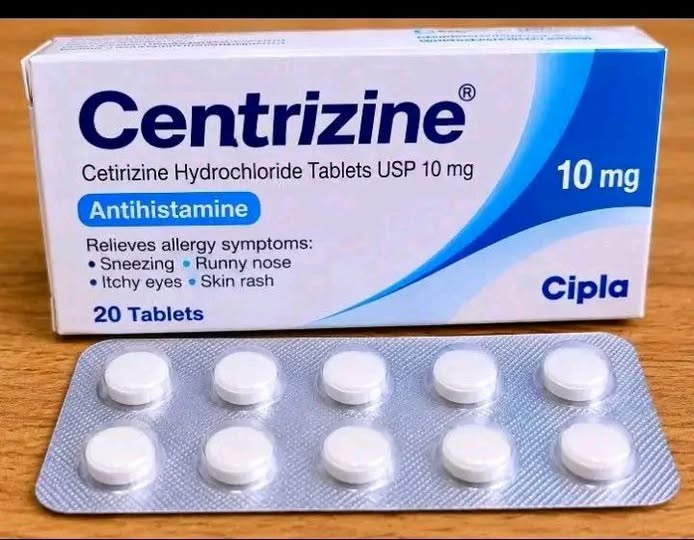
PSK: Cetirizine Vaginal Tightening Warning Issued Amidst Social Media Misinformation
Summary
- The Pharmaceutical Society of Kenya issued a warning against using cetirizine for vaginal tightening.
- This misuse is driven by viral vaginal tightening social media claims, some advising the insertion of oral tablets into the vagina.
- PSK clarified that cetirizine is an oral allergy medication, and its ingredients are unsafe for delicate vaginal tissue.
- The misuse has led to increased demand, price hikes, and shortages, affecting legitimate allergy patients.
- PSK urged the public to consult pharmacists and buy medicines only from premises licensed by the Pharmacy and Poisons Board Kenya.
Urgent Warning Issued
The rapid dissemination of such unverified medical claims, she noted, poses substantial dangers to public health, urging individuals to always consult a pharmacist before utilizing any medicine for purposes other than its intended and approved use.
The Pharmaceutical Society of Kenya (PSK) has recently issued a significant PSK cetirizine vaginal tightening warning, cautioning the public against the inappropriate use of this common antihistamine. This alert comes in response to widespread social media claims promoting cetirizine for purported vaginal tightening, including dangerous advice to insert oral tablets directly into the vagina. The Pharmaceutical Society of Kenya cetirizine statement underscored the organization's deep concern regarding these viral discussions, emphasizing the critical need to clarify the medication's proper application and to counteract the rampant misinformation.
Dr. Wairimu Njuki, President of the PSK, explicitly stated that cetirizine is an oral medication intended for allergy relief. She highlighted the severe safety risks associated with inserting these tablets vaginally, explaining that their ingredients have not undergone testing for use on the delicate tissues of the vaginal area. The rapid dissemination of such unverified medical claims, she noted, poses substantial dangers to public health, urging individuals to always consult a pharmacist before utilizing any medicine for purposes other than its intended and approved use.
Misinformation and Medical Risks
Beyond the immediate dangers of off-label application, the Kenya cetirizine misuse warning also addressed several broader public health implications. Reports indicate a surge in demand for cetirizine, leading to price increases and stock shortages in various outlets. This situation threatens to deny access to the medication for patients who genuinely require it to manage their allergies, prompting PSK to call for ethical pricing practices among pharmacies.
Dr. Njuki further debunked the medically inaccurate perception that vaginal dryness equates to vaginal tightening. While antihistamines like cetirizine can indeed cause dryness as a side effect, she clarified that reduced lubrication does not strengthen vaginal muscles or alter vaginal anatomy. Instead, this side effect can lead to increased friction, discomfort, and a heightened risk of tissue injury. Cetirizine's primary function is to block histamine, thereby alleviating allergy symptoms such as sneezing, runny nose, itchy eyes, and skin reactions like hives; it has not been approved or tested for any other purpose, particularly not for vaginal application.
Ethical Dispensing and Information Responsibility
In light of these developments, the PSK has strongly advised the public against relying on social media for medical advice, urging content creators to exercise greater responsibility when sharing information about medicines and health interventions. The organization stressed that the widespread availability of a common medicine does not automatically qualify it for every purpose, nor does it guarantee freedom from side effects. Cetirizine, like all medications, should only be taken precisely as directed on its label or as advised by a qualified pharmacist or medical doctor.
The Society acknowledged social media's role as a platform for health information but reiterated that the swift circulation of unverified claims presents significant public health risks. They implored those disseminating health-related content to ensure it is evidence-based and communicated in a manner that safeguards, rather than endangers, the public. To ensure safety and proper medication use, Kenyans are also advised to purchase medicines exclusively from premises licensed by the Pharmacy and Poisons Board Kenya, where a registered pharmacist is always present to provide professional guidance.
Practical Implications
Lawyers advising pharmaceutical companies or pharmacies in Kenya should note the Pharmaceutical Society of Kenya's warning regarding cetirizine misuse, which highlights potential regulatory compliance risks related to off-label drug promotion, ethical dispensing practices, and the need to counter public health misinformation.
Source
How does this affect you?
Get an AI analysis of this article grounded in your jurisdictions, practice areas, and any policy documents you've uploaded to Wansom.
Wansom is AI and can make mistakes.