
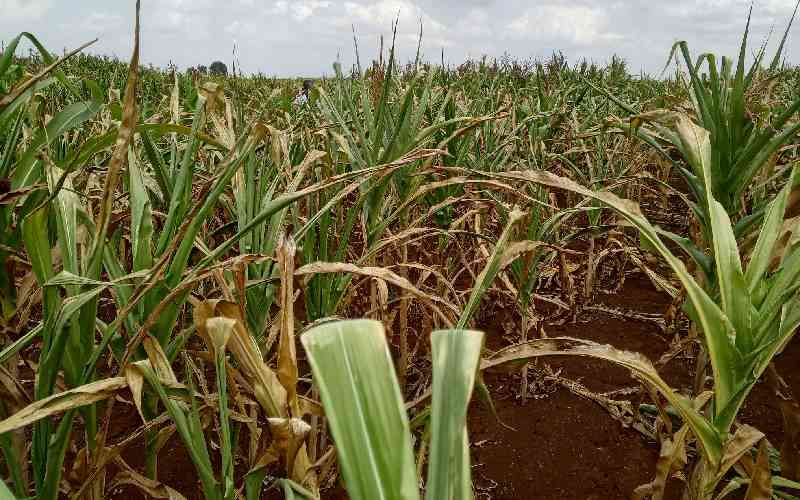
Kenya: Opaque Maize Import Tender Draws Scrutiny Amid Food Crisis
Summary
- Kenya has initiated a Sh26 billion deal to import 540,000 metric tonnes of maize from Zambia due to its worst production shortfall in years.
- Baita Trading Company Limited is at the center of this significant maize import tender, raising questions about its selection.
- Concerns have emerged regarding the opaque nature of the deal's structure and the ultimate cost to the Kenyan public.
- The controversy highlights intensified scrutiny over Kenya's public procurement processes, especially for large-scale food security contracts.
The Controversial Maize Import Deal
The opaque nature of the deal has prompted inquiries into whether standard public procurement protocols were rigorously followed, or if any special dispensations were made.
Kenya is currently facing its most severe maize production deficit in years, prompting an urgent need for significant imports to bolster national food reserves. In response to this critical food security challenge, a substantial Sh26 billion Kenya maize deal has been initiated to procure 540,000 metric tonnes of maize from Zambia. This large-scale acquisition, however, has drawn considerable attention and sparked debate due to the involvement of Baita Trading Company Limited in its execution.
The nature of this Kenya opaque maize import tender has immediately raised a series of fundamental questions regarding its structure and oversight. Stakeholders are seeking clarity on the process through which the private entity was selected for such a critical and high-value contract. The lack of public information surrounding the selection criteria and the specific terms of the agreement has fueled concerns about potential irregularities.
Further scrutiny centers on the financial implications for the Kenyan public. There is an urgent demand for transparency regarding how the deal was structured and, crucially, the ultimate cost that taxpayers will bear for this essential commodity. The significant sum involved, coupled with the critical national context, underscores the importance of a clear and accountable procurement process.
Questions Surround Procurement Transparency
The substantial Sh26 billion maize import contract has intensified Kenya public procurement scrutiny, particularly concerning large-scale government tenders. The central issue revolves around the lack of clear information regarding the selection of Baita Trading Company Limited tasked with facilitating the import of 540,000 metric tonnes of maize from Zambia. This absence of detail has led to widespread calls for greater accountability in the tendering process.
Concerns have been voiced about the methodology employed to structure such a significant agreement, especially given the national importance of securing food supplies during a period of severe shortage. The opaque nature of the deal has prompted inquiries into whether standard public procurement protocols were rigorously followed, or if any special dispensations were made. This situation highlights the ongoing challenges in ensuring maize import contract transparency Kenya.
Observers are particularly keen to understand the mechanisms put in place to safeguard public funds and ensure value for money. The questions surrounding who selected the importer, the precise structure of the deal, and the final cost to the public are indicative of a broader demand for enhanced oversight in government contracting, especially when national food security is at stake.
Broader Implications for National Food Security
This particular Zambia maize import controversy Kenya unfolds against the backdrop of the nation's worst maize production shortfall in years, making the successful and transparent execution of this deal paramount. The integrity of such large-scale food security tender irregularities directly impacts public trust and the government's ability to effectively manage national crises. Any perceived lack of transparency can undermine confidence in public institutions and their capacity to address critical needs.
The implications extend beyond the immediate financial aspects, touching upon the broader framework of public procurement and governance. The questions raised by this Sh26 billion Kenya maize deal serve as a critical reminder of the need for robust, clear, and equitable processes in all government contracts, particularly those vital for national well-being. Ensuring that such tenders are conducted with utmost clarity is essential for maintaining public confidence and preventing future controversies.
Ultimately, the outcome of the scrutiny surrounding this maize import tender will likely set precedents for how future large-scale public contracts, especially those related to essential commodities and national emergencies, are managed and communicated to the public. It underscores the ongoing challenge for governments to balance urgent national needs with strict adherence to principles of transparency and accountability.
Practical Implications
This development signals potential scrutiny of public procurement processes in Kenya, particularly for large-scale import contracts. Lawyers advising clients on government tenders or compliance officers within companies engaging with the state should monitor investigations into this deal for precedents on transparency and due diligence requirements.
Source
How does this affect you?
Get an AI analysis of this article grounded in your jurisdictions, practice areas, and any policy documents you've uploaded to Wansom.
Finish Reading the Full Story and the Expert Analysis.
Get the latest legal & regulatory intelligence in Kenya
Wansom is AI and can make mistakes.