
Kenya Judiciary: FY2027/28 Budget Public Input Opens Nationwide
Summary
- The Kenya Judiciary has launched public consultations for its proposed Sh50.7 billion budget for the 2027/28 financial year.
- Deputy Chief Registrar Paul Ndemo emphasized that public input is crucial for aligning budget priorities with Kenyans' justice needs.
- The Judiciary aims to address a Sh20.3 billion financing gap while prioritizing backlog reduction, technology enhancement, and court infrastructure.
- In the 2025/26 financial year, the Judiciary achieved a 103% case clearance rate, resolving 576,162 cases.
- Members of the public urged the Judiciary to focus on expeditious case conclusions and the completion of court projects, including new facilities in remote areas.
What Happened
This process offers a significant avenue for legal professionals and the public to shape the future direction of the Kenya Judiciary's financial planning.
The Kenya Judiciary has initiated a nationwide public consultation process to gather input on its proposed budget for the 2027/28 financial year. This critical engagement aims to shape resource allocation for key priorities, including enhancing access to justice, reducing case backlogs, and improving the overall quality and timeliness of judicial services across the nation. The proposed budget stands at Sh50.7 billion, significantly exceeding the indicative ceiling of Sh30.4 billion, which leaves a substantial financing gap of approximately Sh20.3 billion.
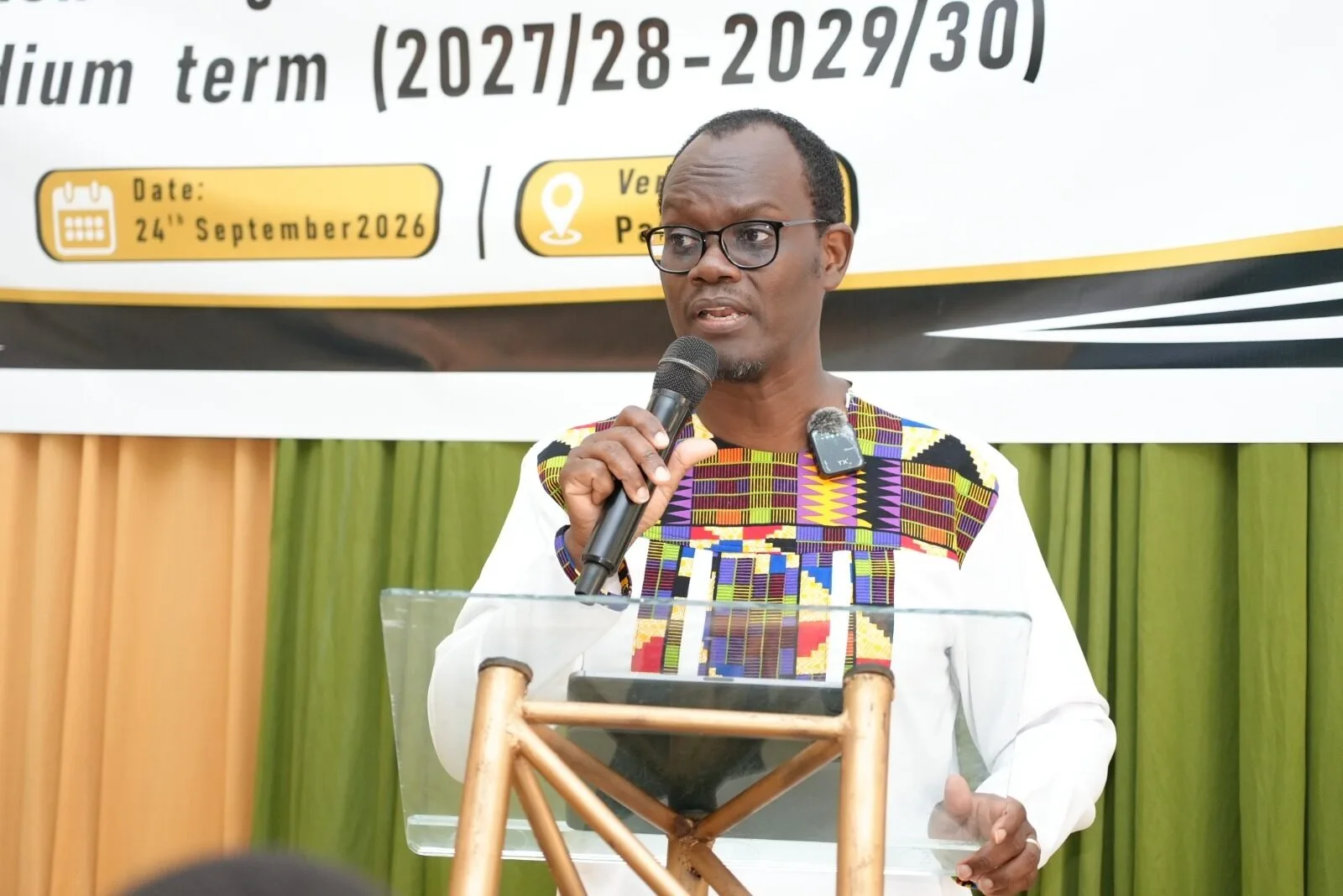
Deputy Chief Registrar of the Judiciary, Paul Ndemo, underscored the importance of this public input during a hearing held in Marsabit. He emphasized that these consultations are vital for ensuring that the Judiciary's financial plans truly reflect the justice needs and lived experiences of Kenyan citizens. The Marsabit session also featured contributions from Marsabit High Court Presiding Judge Francis Rayola and Head of Station Christine Wekesa, highlighting the localized nature of these outreach efforts.
Judicial Priorities and Performance
Among the core priorities outlined by the Judiciary for its 2027/28 budget are strategies to further reduce existing case backlogs and expand the reach of Alternative Justice Systems (AJS) and mediation. The institution also seeks to bolster its capacity for resolving election-related disputes, enhance technological infrastructure, improve physical court facilities, and build human resource capabilities. These objectives align with the broader goal of improving the efficiency and reach of the justice system, directly impacting the Kenya access to justice budget.
Public and stakeholder feedback received during the Marsabit hearing specifically urged the Judiciary to prioritize the swift conclusion of ongoing cases, ensure the completion of existing court infrastructure projects, and establish new judicial facilities in remote areas. This input provides a direct counterpoint and reinforcement to the Judiciary's own stated goals regarding the Kenya court infrastructure budget. The institution has demonstrated its commitment to efficiency, having cleared 576,162 cases in the 2025/26 financial year against 561,580 new filings, achieving an impressive 103 percent case clearance rate.
Technological advancements have played a significant role in this performance. Initiatives such as the Urithi Portal and the Mahakama Popote program have facilitated faster processing of succession matters and enabled the virtual resolution of 22,516 cases by deploying judicial capacity remotely. These innovations underscore the potential for technology to enhance the Kenya judicial budget's impact on service delivery.
The Imperative of Public Engagement
Paul Ndemo highlighted that the ongoing Kenya Judiciary 2027/28 budget consultation extends beyond a mere constitutional obligation. It represents a crucial opportunity for citizens and justice stakeholders to directly influence the Judiciary's strategic priorities and reinforce accountability within the administration of justice. This consultative approach is designed to foster greater transparency and ensure that the allocation of resources genuinely serves the public interest, reflecting the importance of Kenya judicial budget public feedback.
The Judiciary has explicitly called upon the public and various justice stakeholders to submit constructive feedback. This input is essential for refining its budgetary plans and ensuring that the allocated resources effectively contribute to wider access to justice, the timely resolution of cases, and the continuous improvement of judicial services. This process offers a significant avenue for legal professionals and the public to shape the future direction of the Kenya Judiciary's financial planning.
Practical Implications
This consultation offers legal professionals a critical opportunity to influence the Kenya Judiciary's FY2027/28 budget, shaping resource allocation for technology, AJS, and backlog reduction, which will directly impact future court efficiency and access to justice.
Source
How does this affect you?
Get an AI analysis of this article grounded in your jurisdictions, practice areas, and any policy documents you've uploaded to Wansom.
Finish Reading the Full Story and the Expert Analysis.
Get the latest legal & regulatory intelligence in Kenya
Wansom is AI and can make mistakes.