
Kenya: JKIA Ebola Screening for 10 Countries Mandated
Summary
- Kenya has designated Gate 16 at JKIA for enhanced Ebola screening of passengers from 10 high-risk African countries.
- The 10 countries include DRC, Uganda, Rwanda, Burundi, South Sudan, Ethiopia, Angola, Zambia, Tanzania, and CAR.
- The measures follow an imported Ebola case, but Kenya's Ministry of Health states there is no outbreak.
- Fifty-seven contacts linked to the imported patient are currently being traced and monitored.
- Travelers are advised to complete online health declarations before landing to reduce airport congestion.
Kenya Implements Strict Ebola Screening for High-Risk Arrivals
Kenya has instituted mandatory enhanced screening protocols for passengers arriving at Jomo Kenyatta International Airport (JKIA) from ten African nations identified as having a heightened risk of Ebola transmission.
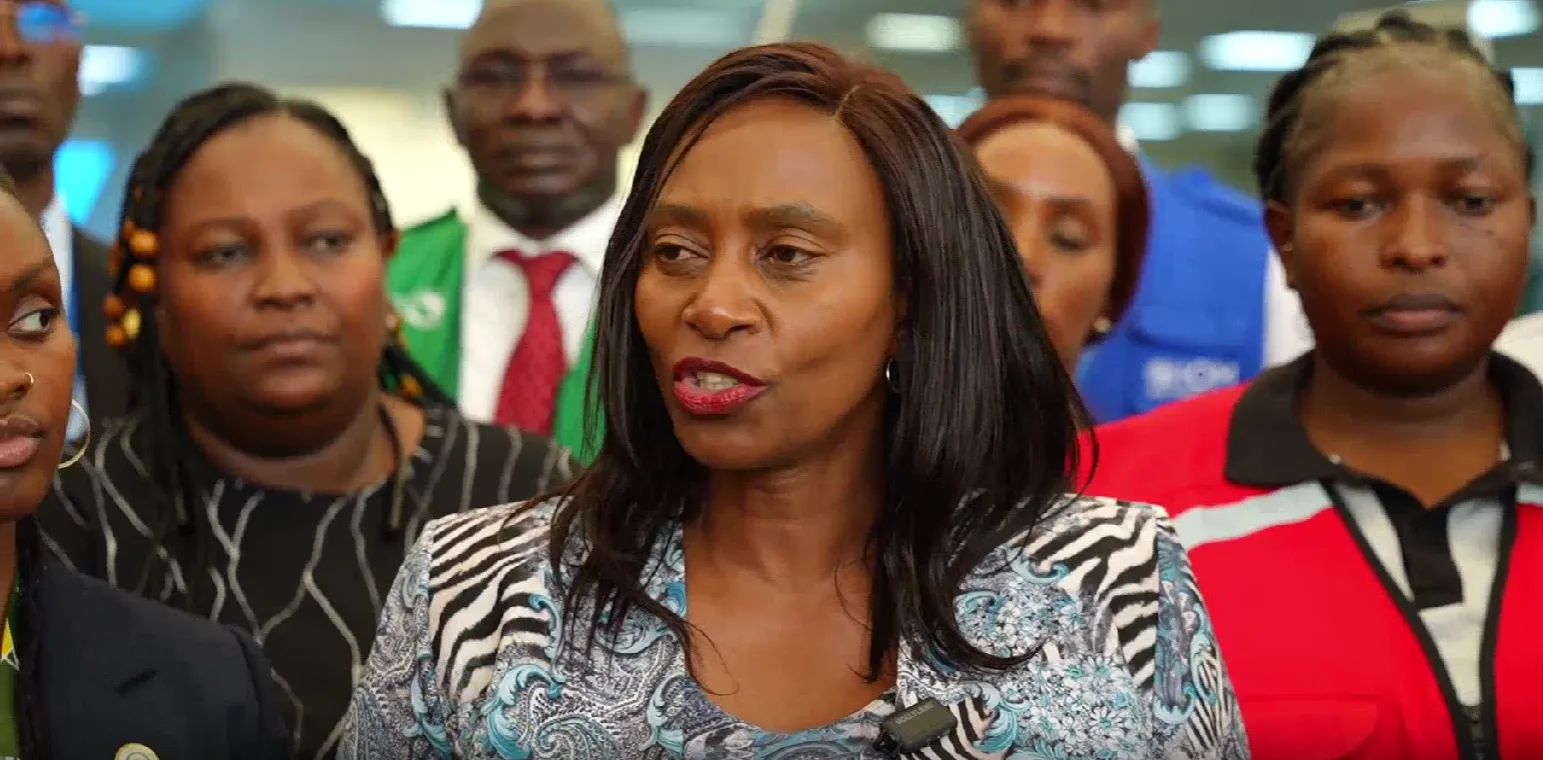
Kenya has instituted mandatory enhanced screening protocols for passengers arriving at Jomo Kenyatta International Airport (JKIA) from ten African nations identified as having a heightened risk of Ebola transmission. This measure, part of the country's intensified preparedness efforts following an imported case, designates Gate 16 at JKIA as the sole entry point for these travelers. Public Health and Professional Standards Principal Secretary Mary Muthoni confirmed that this specialized screening is a key component of Kenya's enhanced surveillance strategy at its primary international gateway.
The ten countries subject to these stringent entry requirements include the Democratic Republic of Congo, Uganda, Rwanda, Burundi, South Sudan, Ethiopia, Angola, Zambia, Tanzania, and the Central African Republic. Ms. Muthoni, who recently conducted an assessment tour of JKIA's readiness, emphasized that all individuals arriving from these designated regions must proceed through Gate 16 for health checks. This targeted Kenya JKIA Ebola screening 10 countries aims to mitigate potential health risks effectively.
To streamline the screening process and alleviate potential congestion at the airport, Ms. Muthoni strongly advised all incoming travelers to complete the necessary online health declaration form prior to their arrival. This proactive step is intended to expedite clearance procedures for passengers undergoing the JKIA Gate 16 Ebola screening. Furthermore, authorities are actively considering the implementation of exit screening measures to ensure that individuals departing Kenya do not inadvertently carry the virus to other international destinations.
Responding to an Imported Case: Contact Tracing and Public Health Directives
The heightened surveillance measures are a direct response to an isolated imported Ebola case involving a Kenyan national who traveled approximately 3,000 kilometers by both air and road before reaching the country. Despite this incident, Ms. Muthoni clarified that Kenya has not declared an Ebola outbreak, emphasizing that the situation remains an isolated, imported occurrence rather than a widespread local transmission.
In a critical public health effort, the Ministry of Health is actively tracing fifty-seven individuals who had contact with the patient. The objective is to isolate and closely monitor all identified contacts to prevent any further spread of the virus. This comprehensive contact tracing is a cornerstone of the Kenya Ministry of Health Ebola measures.
Beyond airport protocols, Ms. Muthoni issued a broader appeal to the Kenyan public, urging them to adopt rigorous hygiene practices and minimize non-essential physical contact. She highlighted that Ebola is primarily transmitted through direct contact with an infected person, advising against unnecessary handshakes and hugs. While stressing the importance of hand sanitization or washing after touching airport surfaces, she also clarified that Ebola is not an airborne disease transmitted through aerosols.
National Preparedness and International Collaboration
Kenya's commitment to preparedness is underscored by the training of over 4,000 healthcare workers at the national government level, equipping them to manage potential Ebola cases. The Ministry of Health maintains that the country possesses adequate resources and facilities to effectively handle any additional cases that might emerge, reinforcing Kenya enhanced Ebola surveillance capabilities.
Dr. Wessam Mankoula, Acting Head of Emergency Preparedness and Response Divisions at Africa CDC, commended Kenya's swift and decisive actions in response to the imported case. He specifically praised the country's diligent efforts in tracking the patient's movements and identifying all contacts, including fellow travelers, family members, and healthcare providers. The Africa CDC is actively collaborating with Kenya's Ministry of Health, the World Health Organization (WHO), and other partners to evaluate the efficacy of the containment strategies being implemented.
Dr. Mankoula underscored the critical importance of preventing further transmission from this imported case and urged anyone who may have had contact with the patient to immediately reach out to the Ministry of Health. This collaborative approach highlights the regional and international commitment to containing the virus and minimizing the need for broader Ebola travel restrictions Kenya might otherwise face.
Practical Implications
Lawyers advising clients on international travel to or from Kenya, especially those originating from the 10 designated African countries, should inform them of the mandatory enhanced Ebola screening at JKIA's Gate 16 and the recommendation for online health declarations to ensure compliance and mitigate potential travel delays.
Source
How does this affect you?
Get an AI analysis of this article grounded in your jurisdictions, practice areas, and any policy documents you've uploaded to Wansom.
Finish Reading the Full Story and the Expert Analysis.
Get the latest legal & regulatory intelligence in Kenya
Wansom is AI and can make mistakes.