
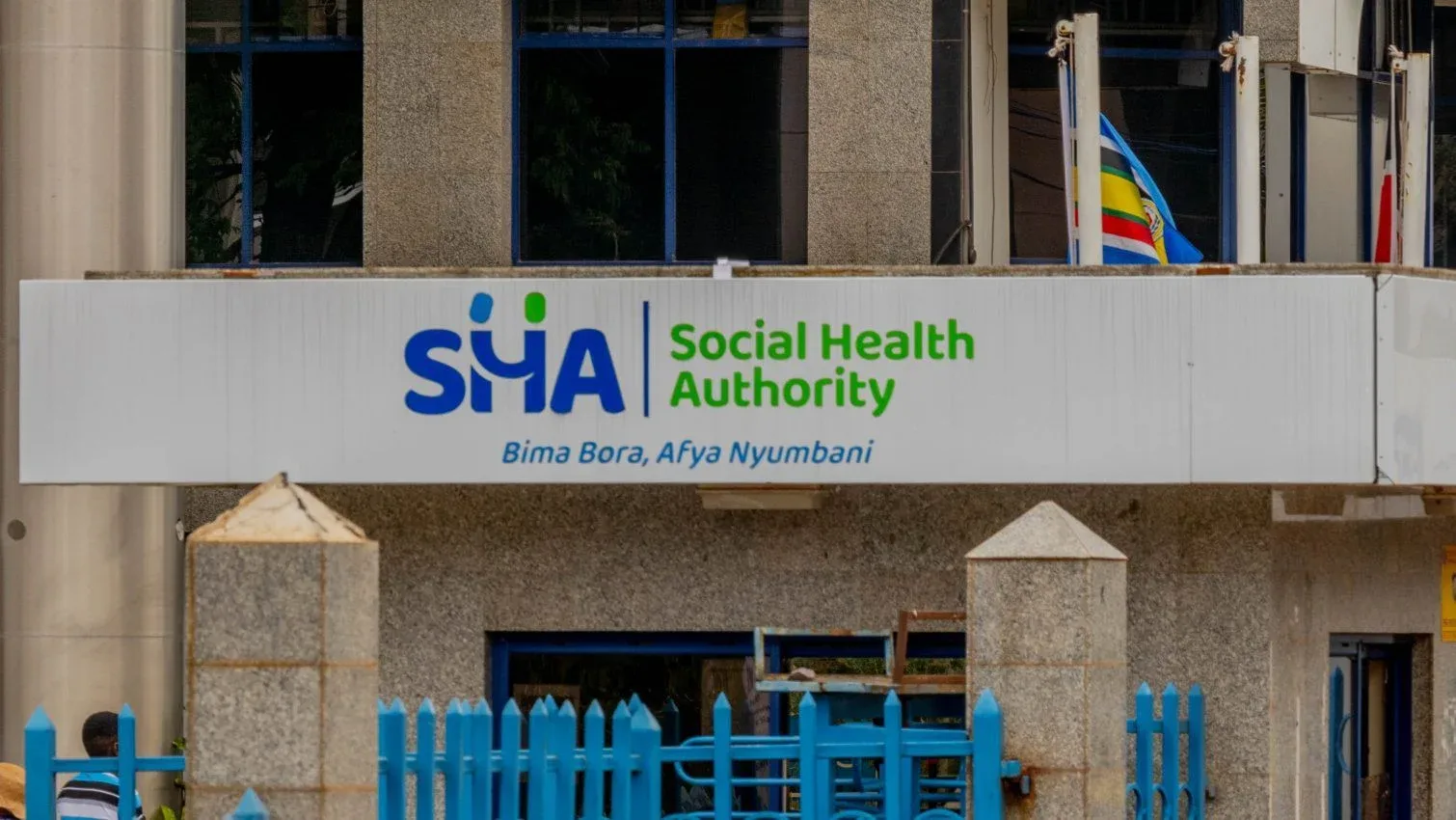
Kenya High Court: HIMS Utilization Fee Unconstitutional
Summary
- The petitioners argue that the 2% HIMS utilization fee is unconstitutional, illegal, and amounts to double taxation.
- The SHA's actions are in direct contravention of Articles 209 and 210 of the Constitution.
- The petition highlights a disturbing lack of transparency surrounding the implementation of the 2% HIMS utilization fee.
- The disputed two per cent deduction could have generated more than Sh1.2 billion by July 2026.
- The continued deductions will result in the unlawful collection of public funds and ongoing financial losses to healthcare providers.
A Constitutional Conundrum
The petitioners argue that the SHA's actions are in direct contravention of Articles 209 and 210 of the Constitution, which permit only taxes and charges established by legislation.
The recent petition filed by Dr. Magare Gikenyi Benjamin, Busia Senator Okiya Omtatah, and Eliud Matindi has brought to the forefront a contentious issue regarding the 2% HIMS utilization fee imposed by the Social Health Authority (SHA). The petitioners argue that this fee is unconstitutional, illegal, and amounts to double taxation. At its core, the dispute revolves around whether the government can impose such a levy without legislative backing. According to the petition, the SHA's actions are in direct contravention of Articles 209 and 210 of the Constitution, which permit only taxes and charges established by legislation. The petitioners contend that the HIMS utilization fee is an unlawful levy imposed without parliamentary approval, thereby infringing upon constitutional principles governing public finance management.
A Lack of Transparency
The petition highlights a disturbing lack of transparency surrounding the implementation of the 2% HIMS utilization fee. Despite repeated requests from Dr. Gikenyi for an explanation, none of the institutions involved – including the Social Health Authority, the Digital Health Authority, the Ministry of Health, and the National Treasury – provided any justification or legal basis for the deductions. The petitioners further argue that there is no transparency on where the money collected is remitted, with allegations suggesting that it benefits unidentified private entities instead of the Consolidated Fund. This lack of accountability raises serious concerns about the management of public funds and the potential exposure of patients' personal information to unknown entities.
Financial Burden and Constitutional Implications
The petitioners estimate that the disputed two per cent deduction could have generated more than Sh1.2 billion, with SHA having disbursed approximately Sh60.7 billion in healthcare claims by July 2026. This additional financial burden on healthcare providers increases the cost of healthcare services and offends constitutional principles governing prudent public finance management. Moreover, the petitioners argue that the deductions violate several constitutional provisions, including those relating to public finance, equality, consumer rights, public participation, accountability, and data protection. Unless the court intervenes, the continued deductions will result in the unlawful collection of public funds and ongoing financial losses to healthcare providers.
Practical Implications
Lawyers and compliance officers should watch for the potential financial burden on healthcare providers and clients, as well as the risk of non-compliance with constitutional provisions governing public finance, equality, and consumer rights.
Source
How does this affect your business?
Get an AI analysis of this article grounded in your jurisdictions, practice areas, and any policy documents you've uploaded to Wansom.
Wansom is AI and can make mistakes.