
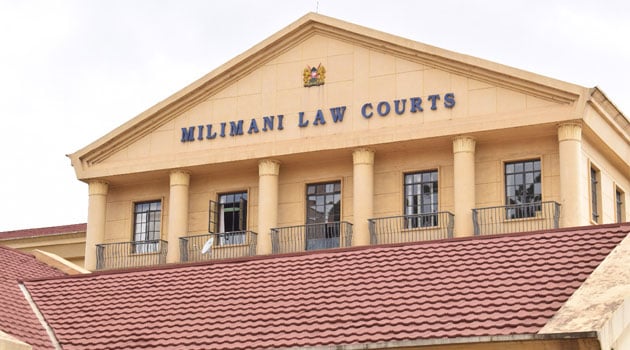
Kenya High Court: Bank CEOs' Criminal Case Halted Amid Constitutional Applications
Summary
- The Kenya High Court has halted proceedings in a criminal case against senior bank executives after receiving High Court orders staying the trial.
- Several accused persons have obtained conservatory orders from the High Court, which bar their arrest and prohibit the trial court from taking their plea.
- The prosecution is struggling to verify the authenticity and scope of these documents, leading to uncertainty over the trial's progress.
- Lawyers representing senior bank executives must now advise their clients on potential delays and compliance exposures related to ongoing proceedings.
Court Proceedings Halted Amidst Constitutional Applications
The court's decision to suspend proceedings is a clear indication that the constitutional applications filed by some of the accused persons have significant weight and merit.
A dramatic turn of events has unfolded in the ongoing criminal case against senior bank executives, as proceedings were abruptly halted after the court was informed that several accused persons had obtained High Court orders staying the trial. The development has left lawyers representing the accused scrambling to advise their clients on the implications of this unexpected twist. With the trial effectively put on hold, all parties are now waiting with bated breath for the next move from the High Court. The court's decision to suspend proceedings is a clear indication that the constitutional applications filed by some of the accused persons have significant weight and merit. As the case hangs in the balance, one thing is certain: the fate of the trial will be determined by the outcome of these applications.
High Court Orders Cast a Shadow Over Trial Proceedings
At the heart of the matter are the High Court orders obtained by several accused persons, which have effectively stayed the proceedings before the trial court. These conservatory orders not only barred the arrest of the affected individuals but also prohibited the trial court from taking their plea pending the hearing and determination of their application. The scope of these orders is far-reaching, with some even staying any further proceedings in the trial court or related proceedings. As the prosecution struggles to verify the authenticity and scope of these documents, it remains to be seen how this will impact the trial's progress. With the High Court's orders casting a shadow over the entire proceedings, all eyes are now on the next move from the constitutional bench.
Implications for Lawyers and Their Clients
For lawyers representing senior bank executives, this development presents a unique set of challenges. They must now advise their clients on the potential delays and compliance exposures related to ongoing proceedings. With the trial effectively stalled, lawyers will need to carefully navigate the complex web of constitutional applications and High Court orders to ensure that their clients' rights are protected. As the situation unfolds, it is essential for lawyers to verify the authenticity and scope of the High Court orders to avoid any potential pitfalls or missteps.
Practical Implications
Lawyers representing senior bank executives may need to advise their clients on the implications of this development, including potential delays and compliance exposures related to ongoing proceedings. They should also be prepared to verify the authenticity and scope of the High Court orders.
Source
Source: Original reporting via [Source]
How does this affect you?
Get an AI analysis of this article grounded in your jurisdictions, practice areas, and any policy documents you've uploaded to Wansom.
Wansom is AI and can make mistakes.