
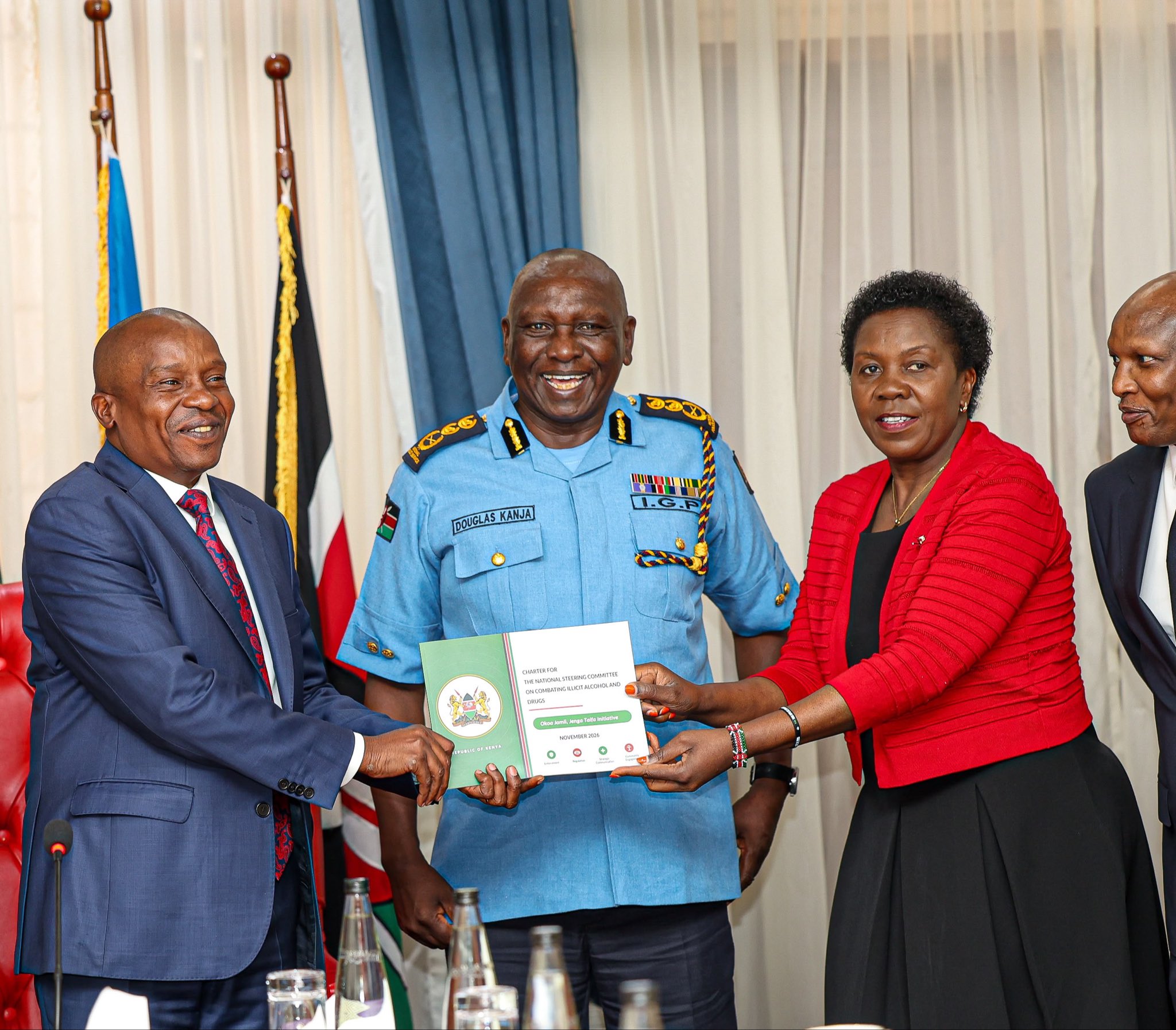
Kindiki: Kenya Receives National Charter for Illicit Alcohol Crackdown
Summary
- Deputy President Kithure Kindiki has received a national charter to guide a nationwide operation.
- This operation targets the manufacture, distribution, and sale of illicit alcohol and narcotic drugs.
- The campaign will be intelligence-led and include community-based initiatives.
- Kindiki directed the National Steering Committee on Combating Illicit Alcohol and Drugs to begin rolling out activities across the country.
New National Charter for Enforcement
Businesses in the alcohol and beverage sector, especially those involved in manufacturing or distribution, should immediately review their compliance frameworks and supply chains to mitigate heightened enforcement risks under this new national charter and intelligence-led operation.
Deputy President Kithure Kindiki has officially received a pivotal national charter designed to spearhead an extensive, intelligence-driven operation across Kenya. This significant development marks a new phase in the government's efforts to combat the pervasive issues of illicit alcohol and narcotic drugs. The charter provides the foundational framework for a coordinated national response, signaling a serious escalation in enforcement activities targeting these harmful substances. The directive underscores a commitment to a structured approach, moving beyond sporadic interventions to a sustained, countrywide campaign.
The mandate of this new Kindiki national charter for illicit alcohol in Kenya is clear: to guide all facets of the upcoming crackdown. Following its reception, Deputy President Kindiki promptly instructed the National Steering Committee on Combating Illicit Alcohol and Drugs to commence the nationwide rollout of its planned activities. This immediate call to action highlights the urgency and strategic importance placed on implementing the charter's provisions without delay, setting the stage for a comprehensive overhaul of how these illicit trades are addressed across the nation.
Scope of the Nationwide Operation
The newly launched initiative, often referred to as the Kithure Kindiki alcohol crackdown, is characterized by its dual focus and intelligence-led methodology. It is not merely a general sweep but a targeted effort specifically aimed at disrupting the entire supply chain of illicit substances, from their manufacture to their distribution and ultimate sale. This comprehensive approach is intended to dismantle the networks responsible for producing and disseminating both dangerous alcoholic beverages and illegal narcotics throughout Kenya. The intelligence-driven nature of the operation suggests a reliance on data and strategic information to identify key players and locations, ensuring more effective and precise interventions.
Beyond direct enforcement, the campaign incorporates a crucial community-led component. This signifies a recognition that sustainable change requires public participation and local engagement in identifying and reporting illicit activities. The National Steering Committee on Combating Illicit Alcohol and Drugs is tasked with orchestrating these diverse elements, ensuring that both top-down enforcement and grassroots initiatives work in tandem. This integrated strategy aims to create a more robust defense against the proliferation of harmful substances, reinforcing Kenya's illicit brew enforcement capabilities through a multi-faceted approach.
Implications for the Alcohol Sector
The introduction of this Kenya drug enforcement charter and the subsequent nationwide operation carries significant implications for businesses operating within the alcohol and beverage sector. With a heightened focus on illicit production and distribution, legitimate manufacturers and distributors will likely face increased scrutiny to ensure their operations are not inadvertently contributing to or being exploited by the black market. The government's commitment to an intelligence-led crackdown means that any vulnerabilities in supply chains or compliance frameworks could become points of interest for enforcement agencies.
Businesses in the alcohol and beverage sector, especially those involved in manufacturing or distribution, should immediately review their compliance frameworks and supply chains to mitigate heightened enforcement risks under this new national charter and intelligence-led operation. This proactive measure is essential to ensure full adherence to all regulatory requirements and to demonstrate a clear separation from illicit activities. Robust alcohol beverage compliance in Kenya will be paramount, as authorities intensify their efforts to clean up the market and protect public health. The directive for a nationwide rollout signals that no region or business will be exempt from this intensified oversight.
Practical Implications
Businesses in the alcohol and beverage sector, especially those involved in manufacturing or distribution, should immediately review their compliance frameworks and supply chains to mitigate heightened enforcement risks under this new national charter and intelligence-led operation.
Source
How does this affect you?
Get an AI analysis of this article grounded in your jurisdictions, practice areas, and any policy documents you've uploaded to Wansom.
Finish Reading the Full Story and the Expert Analysis.
Get the latest legal & regulatory intelligence in Kenya
Wansom is AI and can make mistakes.