
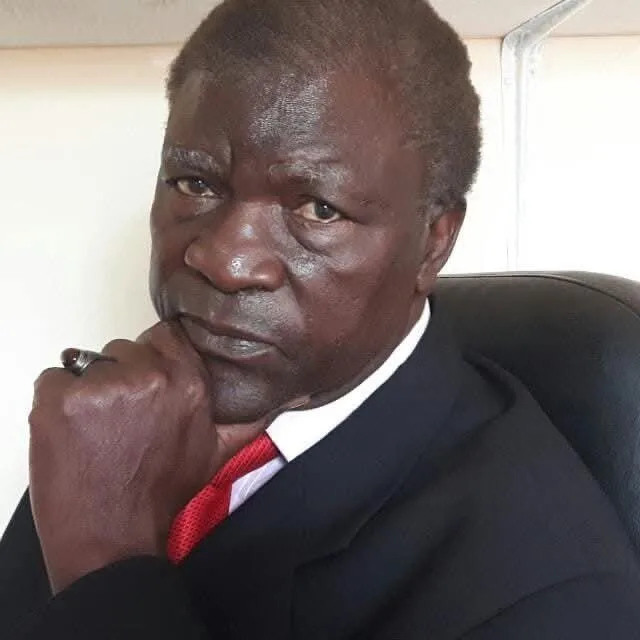
Kenya: Otieno Mak'Onyango's Long Fight for Detention Compensation Payment
Summary
- Former Alego Usonga MP Otieno Mak'Onyango recently died while receiving treatment in Nairobi.
- He was detained for approximately four years after the 1982 coup attempt and testified to being tortured.
- In June 2012, the High Court, under Justice Kalpana Rawal, awarded him Sh20 million in damages for human rights violations.
- By 2014, the awarded compensation for his wrongful detention had not been paid, causing him significant financial hardship.
- Mak'Onyango's case highlights persistent challenges in enforcing human rights judgments against the state, even after successful court battles.
A Life of Public Service and Persecution
Despite this judicial victory, the awarded compensation for Otieno Mak'Onyango's detention compensation payment did not translate into immediate financial relief.
Otieno Mak'Onyango, a former Member of Parliament for Alego Usonga, recently passed away while undergoing medical treatment in Nairobi. His death, announced on a Sunday evening by his successor, MP Samuel Atandi, marks the end of a distinguished public life that encompassed journalism, electoral politics, and a prolonged legal struggle against the state. Atandi lauded Mak'Onyango's contributions, emphasizing their enduring significance to the constituency's history.
Before entering the political arena, Mak'Onyango served as a journalist for The East African Standard, now known as The Standard newspaper. His media career was abruptly cut short in August 1982 following the unsuccessful coup attempt against the government of then-President Daniel arap Moi. Accused of involvement in the plot to overthrow the government, Mak'Onyango was subsequently detained for approximately four years. During later court proceedings, he testified to enduring torture while in custody, an experience that not only violated his fundamental rights but also prematurely ended his journalistic endeavors. He was among several prominent Kenyans, including future Prime Minister Raila Odinga, who were held during this period.
Following his release and the reintroduction of multiparty politics in Kenya, Mak'Onyango successfully transitioned into elective office. He represented the Siaya County constituency of Alego Usonga from 1992 to 1997, securing his seat on a Ford-Kenya ticket during the first General Election of the new political era. His victory at the time brought an end to the parliamentary tenure of veteran politician Peter Oloo-Aringo, who had served the constituency since 1974. Aringo would later reclaim the seat in the 1997 elections, holding it until 2002.
The Legal Battle for Justice
Years after his wrongful detention, Otieno Mak'Onyango initiated legal proceedings against the government in 2003. His lawsuit sought compensation for the profound violations of his constitutional rights, specifically citing his arrest, prolonged detention, and subsequent prosecution. This legal battle, aimed at securing redress for the injustices suffered, underscored the persistent efforts by victims of historical human rights abuses to hold the state accountable.
The culmination of this significant legal challenge arrived in June 2012, when the High Court, presided over by Justice Kalpana Rawal, delivered a landmark judgment. The court ruled in Mak'Onyango's favor, awarding him Sh20 million in damages. This substantial award was a direct consequence of the court's finding that his constitutional rights had indeed been violated during his four-year detention following the 1982 coup attempt. The ruling was a powerful affirmation of individual liberties against state overreach.
Despite this judicial victory, the awarded compensation for Otieno Mak'Onyango's detention compensation payment did not translate into immediate financial relief. A 2014 interview with The Standard newspaper revealed that the Sh20 million had not been paid, leaving Mak'Onyango in a precarious financial situation. He recounted the severe difficulties he faced, struggling to meet basic needs and afford necessary medication, even with a court order for significant damages. This situation highlighted a critical gap between legal pronouncements and their practical enforcement in cases of Kenya political detainee compensation.
Unfulfilled Redress and Lasting Legacy
The challenges Otieno Mak'Onyango faced in receiving his court-ordered compensation underscored a broader systemic issue regarding High Court human rights damages enforcement in Kenya. His experience served as a poignant example of the obstacles encountered by former political detainees who seek redress for historical human rights violations, even after successfully navigating the complex legal system and securing favorable judgments. The delay and non-payment of the Sh20 million award meant that the intended justice remained largely theoretical for years.
Mak'Onyango's life and legal struggle are emblematic of defining periods in Kenya's political evolution. From the severe repression that characterized the aftermath of the 1982 coup attempt, which led to his wrongful detention, to the eventual reintroduction of multiparty democracy a decade later, his personal narrative intertwined with the nation's journey towards greater freedoms. His pursuit of justice, particularly the Otieno Mak'Onyango 1982 coup lawsuit, became a symbol for many who suffered similar fates under authoritarian rule.
Ultimately, the story of Otieno Mak'Onyango, the Alego Usonga MP wrongfully detained, serves as a crucial reminder for legal practitioners and policymakers alike. It highlights the persistent difficulties in ensuring that victims of state-sponsored human rights abuses receive timely and effective compensation, even when courts have unequivocally affirmed their rights and awarded damages. The gap between a judicial award and its actual payment can prolong suffering and diminish the impact of legal victories, a lesson that resonates deeply from Mak'Onyango's protracted fight for justice.
Practical Implications
Lawyers advising clients on human rights violation claims against the state, particularly those involving historical injustices or significant compensation awards, should note the persistent challenges in enforcing such judgments, even after a successful court battle, as exemplified by Mak'Onyango's case where a Sh20 million award remained unpaid for years.
Source
How does this affect you?
Get an AI analysis of this article grounded in your jurisdictions, practice areas, and any policy documents you've uploaded to Wansom.
Finish Reading the Full Story and the Expert Analysis.
Get the latest legal & regulatory intelligence in Kenya
Wansom is AI and can make mistakes.