
Kenya: $3 Billion Endelevu Electric Vehicle Manufacturing Deal Sealed
Summary
- Kenya signed a $3 billion Memorandum of Understanding with Endelevu Enterprise Corporation for electric vehicle manufacturing and assembly.
- The project includes two assembly plants for 50,000 four-wheelers and 100,000 two-wheelers annually, plus 1,000 solar charging hubs.
- This initiative is projected to create 2,000 direct jobs and over 100,000 indirect opportunities across various sectors.
- The investment is supported by Kenya's National Electric Mobility Policy and incentives like duty-free imports for the first 100,000 EVs.
- Kenya aims to become a regional hub for electric vehicle production, serving the East African and broader African markets.
Major Investment Signals Green Shift
This significant investment underscores Kenya's strategic commitment to fostering a robust electric vehicle manufacturing sector and developing a comprehensive green mobility ecosystem.
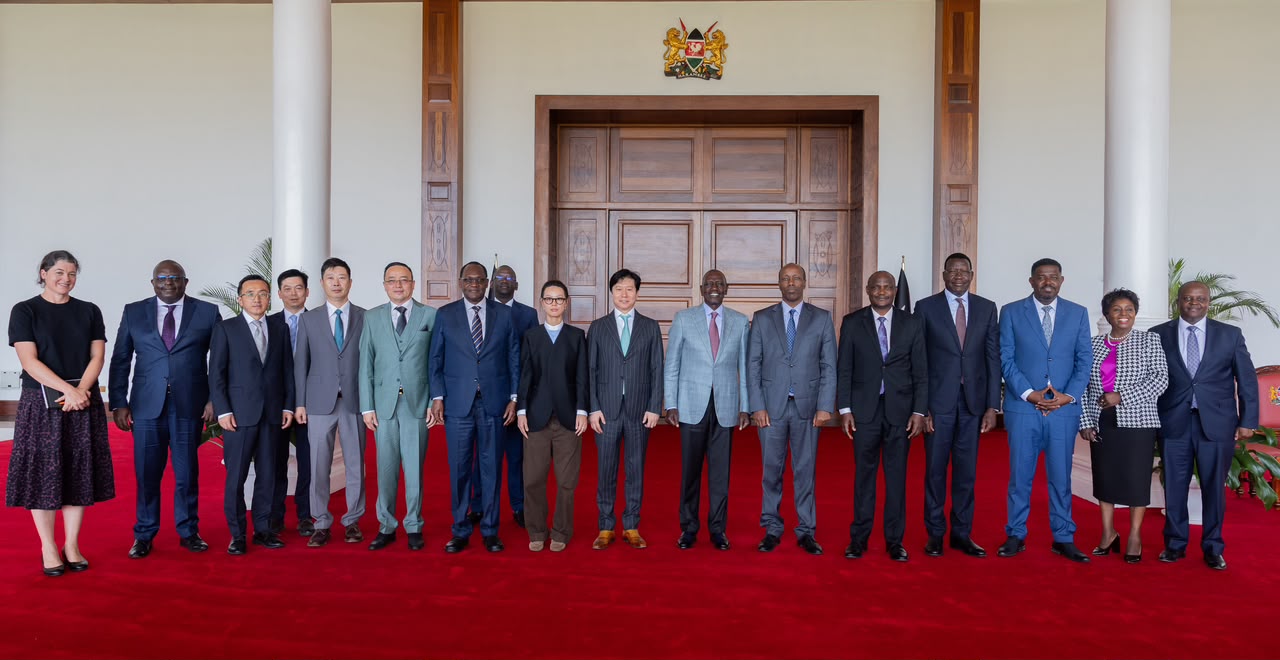
President William Ruto recently oversaw the signing of a substantial $3 billion Memorandum of Understanding (MoU) at State House, Nairobi, marking a pivotal moment for Kenya's automotive industry. This agreement, between the Government of Kenya and Endelevu Enterprise Corporation Kenya, focuses on establishing integrated electric vehicle manufacturing and assembly operations within the country. The initiative is designed to significantly enhance local production capabilities for electric vehicles, moving away from reliance on imported finished goods.
This Kenya Endelevu electric vehicle manufacturing deal is touted as one of the largest electric mobility investments across the East African region. The comprehensive project blueprint includes the construction of an assembly plant with an annual capacity for 50,000 four-wheel vehicles, alongside a second facility capable of producing 100,000 two-wheelers and light mobility vehicles per year. Furthermore, the plan incorporates the deployment of 1,000 solar-powered charging hubs and the development of a digital platform engineered to manage a fleet of up to 100,000 green vehicles. Endelevu Enterprise Corporation is partnering with Geely on this ambitious undertaking.
The economic impact of this venture is projected to be substantial, with an estimated creation of 2,000 direct employment opportunities. Beyond direct hires, the project is expected to generate over 20,000 indirect jobs across various sectors, including suppliers, logistics firms, and service providers. An additional 80,000 opportunities are anticipated in fleet management, operations, and related services, underscoring the broad reach of this Kenya EV assembly investment.
Kenya's Green Mobility Ecosystem Ambition
President Ruto articulated a clear national vision behind this significant investment, emphasizing the imperative to add value locally, cultivate domestic skills, and create jobs within Kenya rather than exporting them through the importation of finished products. He drew a parallel to his recent address at the United Nations General Assembly, where he advocated for in-country value addition for resources. This principle, he noted, is now being actively implemented through the Endelevu partnership.
The President highlighted a "strategic synergy" between this electric vehicle initiative and other major infrastructure projects, referencing the recent groundbreaking for the Dangote East African Refinery in Lamu. He addressed potential questions about simultaneously refining petroleum and electrifying transport, explaining that energy security requires diverse approaches. Kenya will continue to refine petroleum for regional needs while simultaneously electrifying its transport sector to capitalize on present and future opportunities, ensuring that value and jobs remain within Africa. This dual approach is central to Kenya's green mobility ecosystem strategy.
Beyond job creation, the widespread adoption of electric vehicles is expected to yield significant economic benefits for Kenya. Each EV on the road directly contributes to reducing the nation's fuel import bills, thereby alleviating pressure on foreign exchange reserves. Crucially, Kenya's electricity grid is predominantly powered by renewable sources, including geothermal, wind, solar, and hydro. This allows the country to power its transport sector with domestically generated, clean energy, fostering greater energy independence and stability compared to the price volatility associated with imported fossil fuels.
Regulatory Framework Supports EV Growth
This substantial Kenya EV assembly investment is not an isolated event but rather a direct outcome of a deliberate and predictable policy environment established by the government. President Ruto underscored that investors commit capital when there is clarity of direction and regulatory certainty. This foundational stability was cemented with the launch of the National Electric Mobility Policy in February of the current year, providing a comprehensive framework for the sector's development.
In a further demonstration of commitment, the government previously announced a policy granting duty-free status for the first 100,000 electric vehicles imported into Kenya. This incentive, coupled with the government's own order for 3,000 electric vehicles for its security and administration officers, signals strong state support and demand for the burgeoning EV market. These measures collectively aim to stimulate both consumer adoption and local manufacturing.
Kenya's ambition extends beyond its national borders. President Ruto explicitly stated that the goal is not merely to assemble for the domestic market but to establish Kenya as a hub for East Africa electric vehicle production, serving the broader African continent. To facilitate this, vehicles manufactured in Kenya under this deal will need to meet the East African Community's Rules of Origin, ensuring they qualify for preferential trade within the regional bloc. This forward-looking Kenya electric vehicle policy positions the nation as a leader in sustainable transport solutions for the continent.
Practical Implications
This significant investment signals Kenya's firm commitment to developing its electric vehicle manufacturing sector and green mobility ecosystem. Lawyers advising clients in the automotive, manufacturing, energy, or logistics sectors should monitor upcoming regulations, local content requirements, and potential investment incentives stemming from this MoU and the National Electric Mobility Policy, particularly for operations targeting the East African market.
Source
How does this affect you?
Get an AI analysis of this article grounded in your jurisdictions, practice areas, and any policy documents you've uploaded to Wansom.
Finish Reading the Full Story and the Expert Analysis.
Get the latest legal & regulatory intelligence in Kenya
Wansom is AI and can make mistakes.