
Kenya Kindiki: Local Rice Import Priority, Sh1 Billion for KNTC
Summary
- Deputy President Kithure Kindiki pledged Sh1 billion to the Kenya National Trading Corporation (KNTC) for purchasing locally produced rice.
- The government will prioritize buying all domestic rice before allowing any foreign imports, establishing a new Kenya Kindiki local rice import priority.
- This policy aims to support Mwea rice farmers and enhance national food security by ensuring local produce is off-taken, especially during peak harvest.
- The KNTC, an anchor agency for local rice procurement, will utilize these funds to mop up the harvest from Mwea and other rice-growing regions.
- The announcement signals potential new restrictions and delays for rice imports, impacting supply chain planning for agricultural importers.
Kenya Prioritizes Local Rice Procurement
The government's explicit intention is to prioritize the acquisition of all available local rice before any foreign imports are permitted into the country, directly impacting market dynamics for both domestic farmers and international suppliers.
Deputy President Kithure Kindiki recently announced a significant government commitment to bolster domestic agricultural production, pledging Sh1 billion to the Kenya National Trading Corporation (KNTC). This substantial allocation is earmarked specifically for the purchase of locally produced rice, signaling a strategic shift in national food security policy. The government's explicit intention is to prioritize the acquisition of all available local rice before any foreign imports are permitted into the country, directly impacting market dynamics for both domestic farmers and international suppliers.
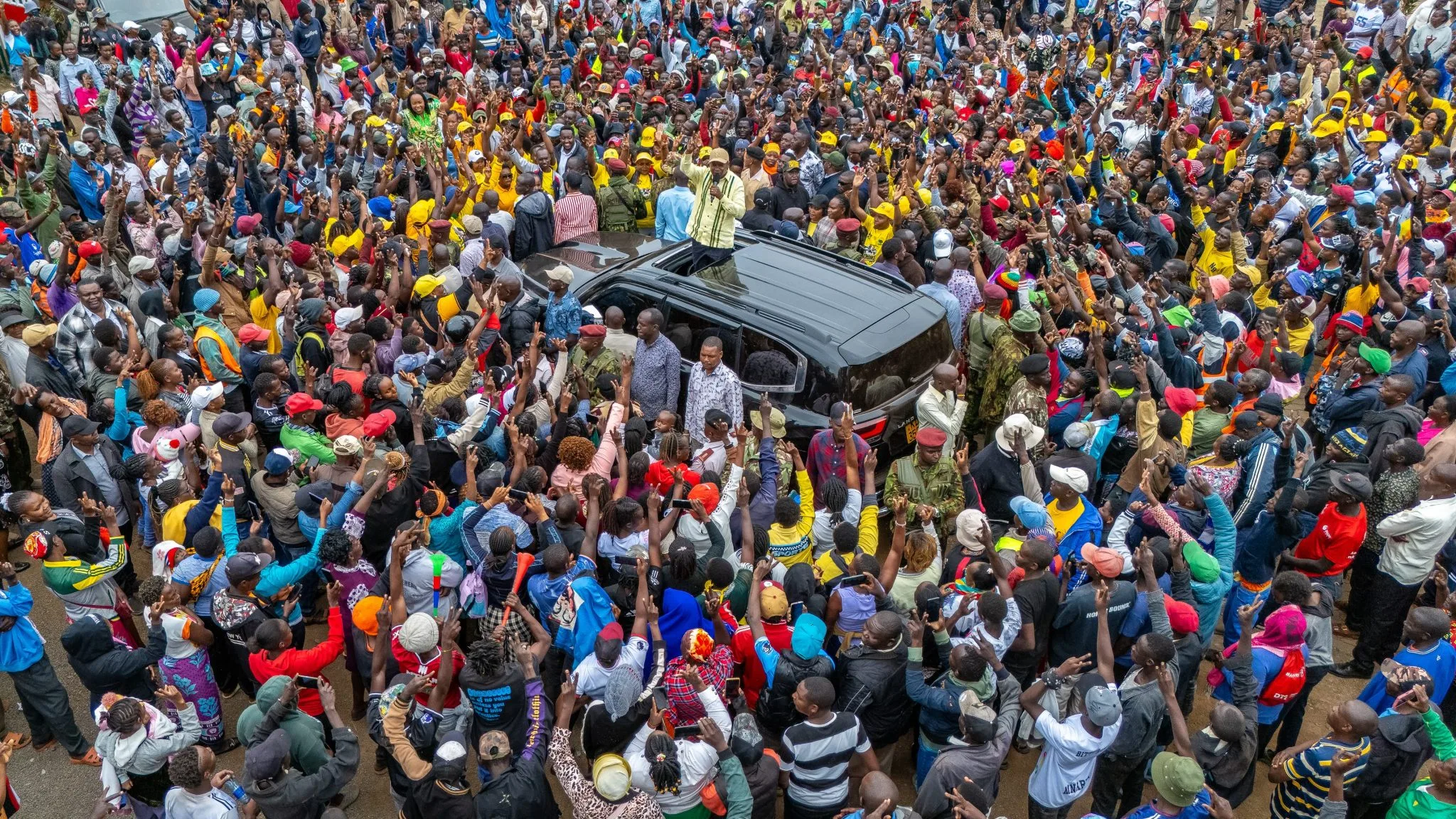
Speaking on Friday during an inspection tour of development projects in Mwea Constituency, Deputy President Kindiki emphasized that rice farmers in Mwea, Kirinyaga County, and other key rice-growing regions would have their produce bought. This commitment aims to ensure that the KNTC can effectively 'mop up' the local harvest, particularly as peak harvesting season approaches later in the year. The move underscores a broader strategy to support Mwea rice farmer support and enhance the country's self-sufficiency in staple foods.
Legal and Economic Implications for Imports
The Deputy President's declaration introduces a de facto restriction on Kenya rice import restrictions, establishing a clear hierarchy where domestic procurement must be exhausted first. This policy leverages the Kenya National Trading Corporation rice purchasing mandate, as KNTC has historically served as an anchor agency for buying surplus local rice from areas like Mwea and the Kano Plains. Its role is crucial for improving market access for farmers and strengthening national food reserves.
This directive could have significant ramifications for agricultural importers and trade clients operating within Kenya. Lawyers advising such entities should closely monitor the implementation of this policy, as it signals potential new restrictions or delays for rice imports, impacting supply chain planning and trade compliance. The government's commitment to domestic procurement also suggests a potential influence on future agricultural trade policies, possibly leading to more protectionist measures for other commodities.
Broader Development Agenda and Political Context
Beyond the immediate focus on rice, the government has also affirmed its dedication to maintaining favorable prices for farmers across various agricultural sectors, including coffee, milk, and tea. This comprehensive approach to agricultural support was highlighted during Deputy President Kindiki's visit, which also encompassed a range of infrastructure and social development initiatives in Kirinyaga County.
During his Mwea tour, Kindiki inspected the ongoing tarmacking of the Kangirici-Karira Hospital-Ngurubani Road, a project nearing completion and forming part of a 65-kilometer transport corridor serving multiple constituencies. He also officially opened the Mwea Huduma Centre, providing residents with government services and hosting a Jitume ICT Hub to equip young people with digital skills. The Deputy President pledged an additional Sh300 million for expanding electricity connections in Mwea Constituency and noted the planned expansion of the Makutano-Mwea-Embu-Chuka-Meru-Maua highway, all aimed at improving connectivity and fostering economic activity. These development efforts, including a Sh500 million County Aggregation and Industrial Park, are positioned by the government as key achievements to be presented to the electorate ahead of the 2027 General Election, with Kindiki emphasizing a focus on development over political rhetoric.
Practical Implications
Lawyers advising agricultural importers or trade clients in Kenya should monitor the implementation of this policy, as it signals potential new restrictions or delays for rice imports, impacting supply chain planning and trade compliance. This commitment to domestic procurement could also influence future agricultural trade policies.
Source
How does this affect you?
Get an AI analysis of this article grounded in your jurisdictions, practice areas, and any policy documents you've uploaded to Wansom.
Finish Reading the Full Story and the Expert Analysis.
Get the latest legal & regulatory intelligence in Kenya
Wansom is AI and can make mistakes.