
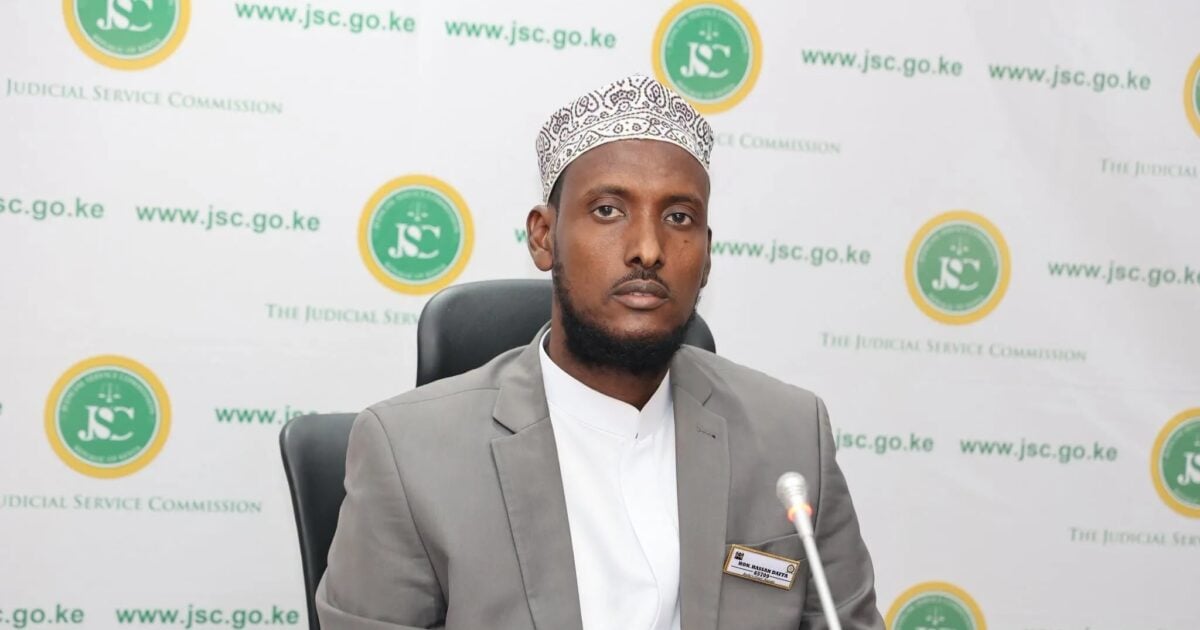
Kenya: Hassan Omar Daffa Appointed New Chief Kadhi
Summary
- Hassan Omar Daffa has been appointed as Kenya's new Chief Kadhi on November 13.
- The position became vacant in July 2025 following the death of Sheikh Athman Abdul-Halim Hussein.
- Senior Principal Kadhi Sheikh Sukyan Omar Hassan served in an acting capacity since August 2025.
- The Judicial Service Commission advertised the vacancy on January 16, 2026, and interviewed nine candidates.
- The Commission faced scrutiny over alleged delays in the recruitment process for the head of Kadhis Courts.
New Leadership for Kenya's Kadhis Courts
Hassan Omar Daffa has been officially named Kenya's new Chief Kadhi, marking a significant leadership transition within the nation's Islamic law courts.
Hassan Omar Daffa has been officially named Kenya's new Chief Kadhi, marking a significant leadership transition within the nation's Islamic law courts. This pivotal Kenya Chief Kadhi appointment, announced on November 13, concludes a period of vacancy and interim leadership following the passing of the previous officeholder. The Chief Kadhi plays a crucial role in the administration of justice under Islamic law, overseeing the operations of Kadhis Courts across Kenya.
The vacancy arose after the demise of Sheikh Athman Abdul-Halim Hussein in July 2025, prompting Senior Principal Kadhi Sheikh Sukyan Omar Hassan to assume an acting capacity from August 2025 until the recent permanent selection. The appointment of Hassan Omar Daffa Kenya Chief Kadhi brings to an end this interim period, establishing a new permanent head for the country's Islamic judicial system.
This change in the Kadhis Courts Kenya leadership is a notable development for legal practitioners and the community served by these specialized courts. The Chief Kadhi's directives and interpretations can influence the application of Islamic law in matters such as marriage, divorce, and inheritance, making this appointment particularly impactful for those practicing in these areas.
The Rigorous Selection Process
The search for the new Chief Kadhi was conducted by the Judicial Service Commission (JSC), the body responsible for the appointment of judicial officers in Kenya. The Commission initiated the recruitment process by advertising the vacancy on January 16, 2026, inviting qualified candidates to apply for the esteemed position.
Following the advertisement, the Judicial Service Commission Kadhi selection panel meticulously reviewed applications, ultimately shortlisting a select group of candidates. Nine individuals were then called for interviews, undergoing a comprehensive evaluation to determine their suitability for the demanding role. This rigorous process aimed to ensure the most qualified individual was chosen to lead the Islamic law courts Kenya.
Despite the thoroughness of the process, the Judicial Service Commission faced public scrutiny regarding alleged delays in finalizing the recruitment. The extended period between the vacancy's announcement and the ultimate appointment drew attention, highlighting the public's keen interest in the timely and effective functioning of the judicial system.
Significance of the Chief Kadhi's Role
The Chief Kadhi holds a constitutionally recognized position within the Kenyan Judiciary, serving as the ultimate authority for all Kadhis Courts nationwide. These courts operate in parallel with the civil court system, primarily adjudicating matters of personal law for Muslims, including family law and succession, in accordance with Islamic principles.
As the head of the Kadhis Courts, the Chief Kadhi is responsible for guiding the interpretation and application of Islamic law, ensuring consistency and fairness across all subordinate Kadhis Courts. This leadership is vital for maintaining the integrity and relevance of Islamic jurisprudence within Kenya's broader legal framework. The new Chief Kadhi, Hassan Omar Daffa, now assumes this critical responsibility, succeeding Sheikh Athman Abdul-Halim Hussein and overseeing the direction of these specialized courts.
The appointment of a new Chief Kadhi signifies more than just a change in personnel; it represents a new chapter for the administration of Islamic law in Kenya. Lawyers and stakeholders involved in matters governed by Islamic law will be observing the new leadership for any potential administrative directives or subtle shifts in judicial approach that may emerge under the guidance of the new Chief Kadhi.
Practical Implications
The appointment of a new Chief Kadhi signifies a change in the leadership of Kenya's Kadhis Courts. Lawyers practicing in areas governed by Islamic law, such as family law or inheritance, should note this development as it may lead to new administrative directives or subtle shifts in judicial approach within these courts.
Source
How does this affect you?
Get an AI analysis of this article grounded in your jurisdictions, practice areas, and any policy documents you've uploaded to Wansom.
Finish Reading the Full Story and the Expert Analysis.
Get the latest legal & regulatory intelligence in Kenya
Wansom is AI and can make mistakes.