
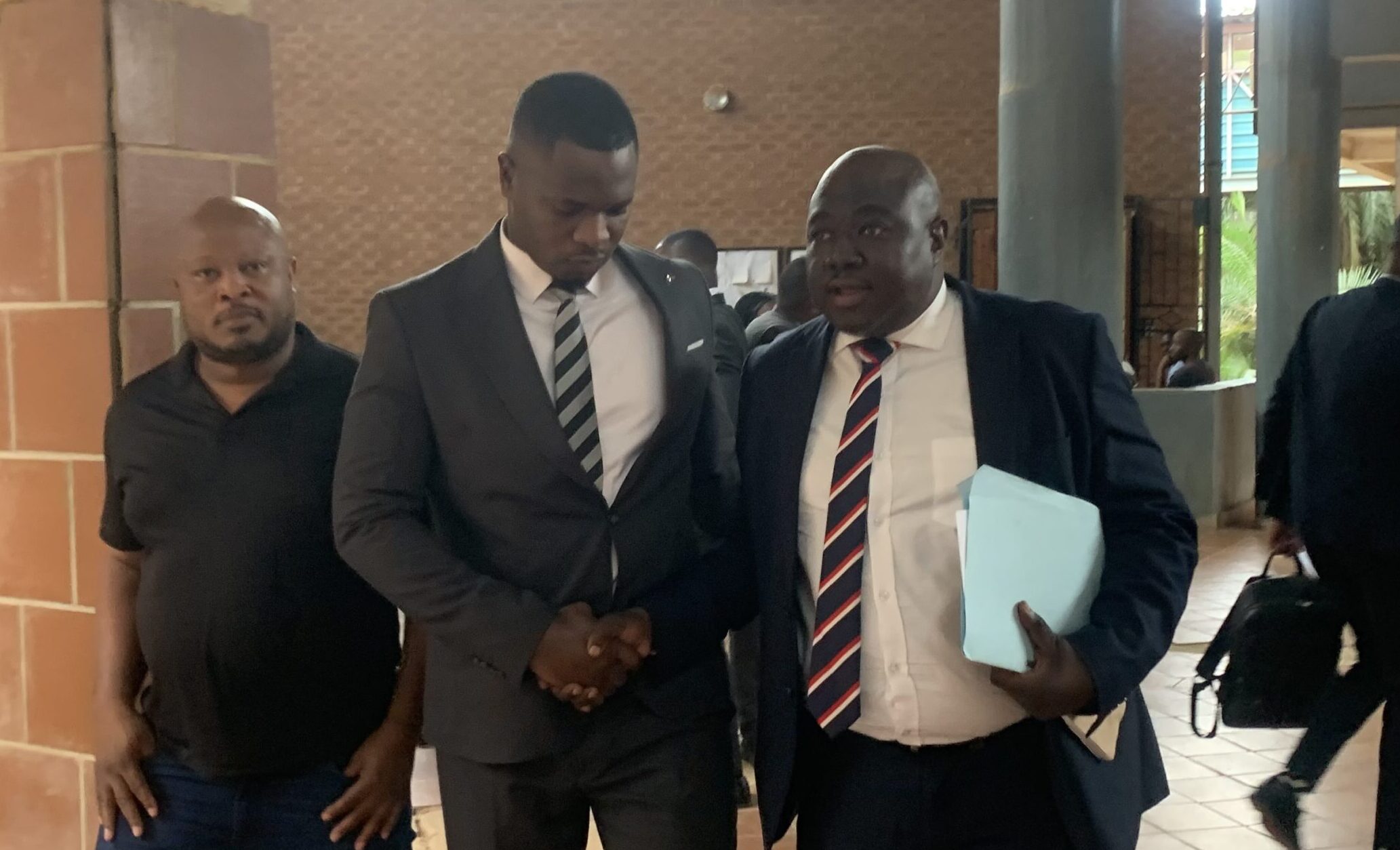
Kazadi Mwaka Obscenity Case: Zambia Trial Proceeds, No Plea Deal
Summary
- The Zambian State is engaged in an ongoing trial with David Kazadi, Mwaka Halwindi, and Ruby Muzandu.
- The individuals are facing charges for producing, possessing, and circulating obscene material and have pleaded not guilty.
- Film producer David Kazadi and social media influencer Mwaka Halwindi are among those involved in the ongoing legal proceedings.
- The trial has been adjourned multiple times, with a previous court date set for October 13, 2026.
What Happened
The State's engagement with the accused, including in the "Ruby Muzandu obscenity case," has proceeded to trial following not-guilty pleas from all parties.
Authorities in Zambia are currently engaged in legal proceedings concerning prominent film producer David Kazadi, social media influencer Mwaka Halwindi, and Ruby Muzandu. These individuals are currently facing serious charges related to the production, possession, and circulation of material deemed obscene. The accused have pleaded not guilty to the charges. The development signifies an ongoing legal battle that has drawn attention due to the public profiles of some of the accused.
While the article originally stated a plea-negotiation agreement had been entered, recent reports indicate that the accused pleaded not guilty, and the case is proceeding as a trial. The trial has seen adjournments, with a court date previously scheduled for October 13, 2026. The charges against them, specifically concerning "producing obscene material Zambia," highlight the legal scrutiny placed on digital content creation and distribution within the nation.
Legal Framework and Plea Bargaining
The charges of producing, possessing, and circulating obscene material fall under "Zambia obscenity law," which aims to regulate content deemed harmful or offensive to public morality. Such legal provisions are designed to protect societal standards and can carry significant penalties, making the option of a plea agreement particularly relevant for those facing "David Kazadi obscenity charges" and similar accusations. A plea negotiation, in this context, allows the accused to potentially admit guilt to lesser charges or receive a reduced sentence in exchange for foregoing a trial, thereby saving judicial resources and providing a degree of certainty for all parties.
However, the State's current engagement with the accused, including in the "Ruby Muzandu obscenity case," has proceeded to trial following not-guilty pleas from all parties. This indicates that prosecutors are pursuing a resolution through court proceedings rather than a negotiated settlement at this stage. The case has seen adjournments, with the trial previously set to resume on October 13, 2026. This mechanism provides a structured way for the legal system to address alleged violations of "Zambia obscenity law" through a formal trial process.
Broader Implications for Content Creation
This development holds significant implications for content creators, social media influencers, and film producers operating within Zambia. The fact that the "Kazadi Mwaka obscenity" case, involving prominent figures, is proceeding to trial serves as a stark reminder of the legal boundaries governing digital content. Individuals involved in creating or disseminating material online must be acutely aware of "Zambia obscenity law" and the potential legal ramifications of content that could be interpreted as obscene. The charges of "producing obscene material Zambia" are not merely theoretical but are actively pursued by the State.
The ongoing trial in this case could establish a precedent or at least offer a clear pathway for future cases involving similar "obscenity charges." It signals that while the State is committed to enforcing laws against obscene material, it is also prepared to pursue cases through trial when plea agreements are not reached or accepted. This can be a critical consideration for legal defense strategies. For those in the creative industries, understanding the nuances of what constitutes obscene material under Zambian law is paramount to avoid facing legal action, as exemplified by the "David Kazadi obscenity charges" and the "Mwaka Halwindi" trial. This case highlights the need for vigilance and legal counsel in navigating the digital landscape in Zambia.
Practical Implications
This development signals the State's willingness to pursue plea negotiations in obscenity cases in Zambia, potentially offering a pathway for resolution for clients facing similar charges. Lawyers should advise clients on the legal risks of producing or circulating content that could be deemed obscene under Zambian law and consider plea bargaining as a strategic option.
Source
How does this affect you?
Get an AI analysis of this article grounded in your jurisdictions, practice areas, and any policy documents you've uploaded to Wansom.
Finish Reading the Full Story and the Expert Analysis.
Get the latest legal & regulatory intelligence in Zambia
Wansom is AI and can make mistakes.