
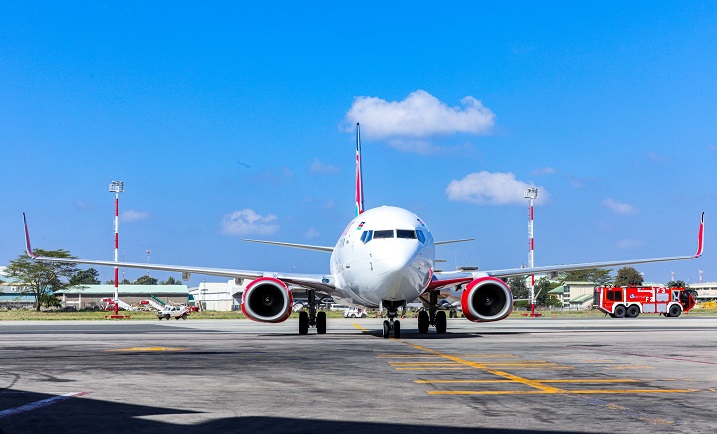
KAWU Strike: JKIA Flight Disruptions Persist Over Labour Demands
Summary
- Aviation workers, represented by KAWU, initiated a strike at Jomo Kenyatta International Airport (JKIA) on Sunday, August 30, causing flight delays and cancellations.
- The industrial action affects personnel at the Kenya Civil Aviation Authority (KCAA), Kenya Airports Authority (KAA), and other aviation stakeholders, following a prior "go-slow" across airports.
- Workers are demanding improved remuneration, better working conditions, implementation of previously agreed employment benefits, and resolution of outstanding labour issues including collective bargaining agreements, job security, and career progression.
- The Kenya Airports Authority (KAA) has advised passengers to check their flight status with airlines before traveling and is working with stakeholders to mitigate the disruption.
- KAA has apologized for the inconvenience, prioritizing passenger safety and security while urging patience and cooperation from the public.
Aviation Sector Disruption at JKIA
The Kenya Aviation Workers Union (KAWU) confirmed that its members initiated the strike, affecting personnel at the Kenya Civil Aviation Authority (KCAA), the Kenya Airports Authority (KAA), and other key aviation stakeholders.
Jomo Kenyatta International Airport (JKIA) has been experiencing significant flight delays and cancellations as a result of ongoing industrial action by aviation workers. The disruption, which commenced on Sunday, August 30, has impacted air traffic control services and broader flight operations at the critical transport hub. This widespread Kenya aviation industrial action follows a period of a "go-slow" across various airports nationwide.
The Kenya Aviation Workers Union (KAWU) confirmed that its members initiated the strike, affecting personnel at the Kenya Civil Aviation Authority (KCAA), the Kenya Airports Authority (KAA), and other key aviation stakeholders. The industrial action, now in its second day, has led to continued operational challenges, underscoring the severity of the labour dispute within Kenya's aviation sector. Passengers arriving at or departing from JKIA have faced considerable inconvenience due to the widespread JKIA flight cancellations August 30 and subsequent days.
KAWU's Stated Grievances
The core of the KAWU strike at JKIA stems from a series of unresolved labour issues and demands for improved conditions. Aviation workers are advocating for enhanced remuneration and better working conditions across the board. A significant point of contention is the implementation of previously agreed employment benefits, which workers assert have not been fully honored.
Further demands include the resolution of outstanding labour issues related to collective bargaining agreements, ensuring job security for employees, and establishing clear pathways for career progression within the aviation sector. This comprehensive list of grievances highlights a deep-seated Kenya Airports Authority labour dispute and broader dissatisfaction among employees of the Kenya Civil Aviation Authority and other entities, driving the current industrial action.
Authority's Response and Passenger Advisory
In response to the ongoing KAWU strike JKIA flight disruptions, the Kenya Airports Authority (KAA) has issued advisories to the public. Passengers intending to travel are strongly urged to contact their respective airlines to confirm the status of their flights before making their way to the airport. KAA has also communicated its active engagement with airlines and other aviation stakeholders to mitigate the impact of the disruption.
The authority emphasized that its highest priority remains the safety and security of passengers, airport users, and the wider aviation community, stating its commitment to ensuring the safe, secure, and orderly operation of the airport despite the challenges. KAA has apologized for the inconvenience caused by the industrial action and has called upon passengers to exercise patience and cooperate with airport officials and airline staff as efforts to manage the situation continue.
Practical Implications
This industrial action underscores the need for employers in Kenya's aviation sector to review collective bargaining agreements and dispute resolution mechanisms. Lawyers should advise clients on potential force majeure implications for contracts and business continuity planning in light of such service disruptions.
Source
How does this affect you?
Get an AI analysis of this article grounded in your jurisdictions, practice areas, and any policy documents you've uploaded to Wansom.
Finish Reading the Full Story and the Expert Analysis.
Wansom is AI and can make mistakes.