
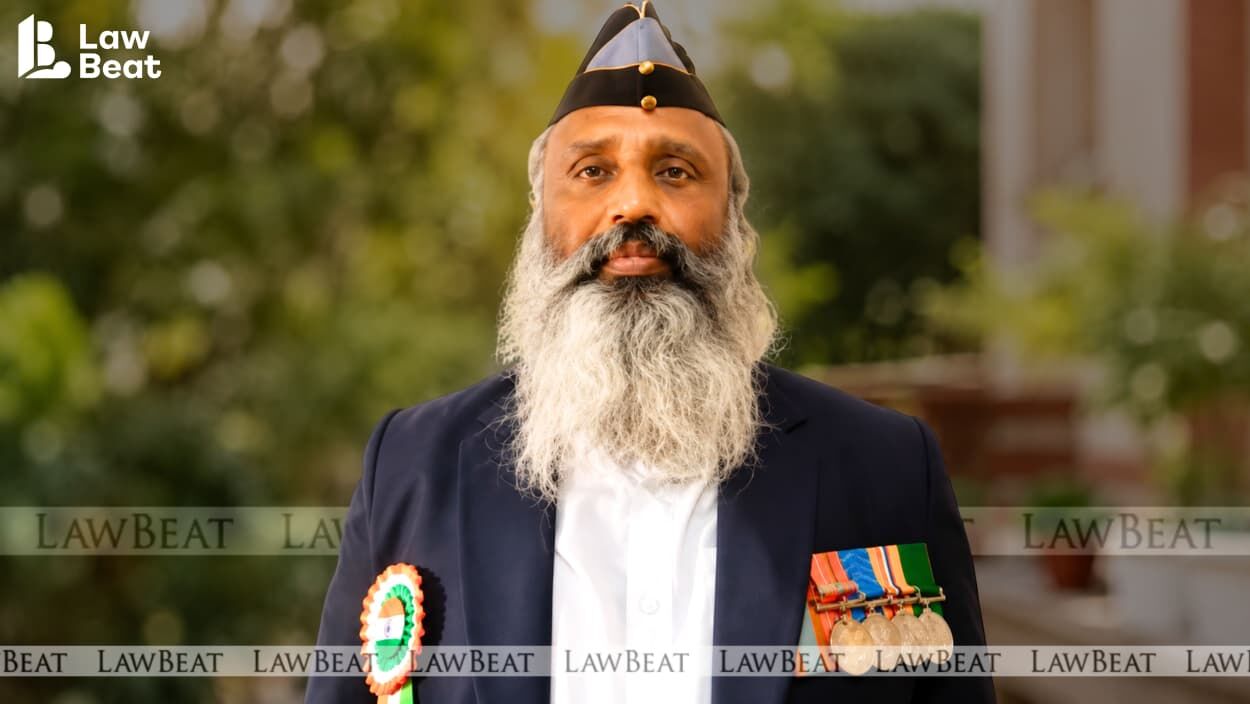
Karnataka: Kargil Veteran Land Grant Delay Leads to Suicide Attempt
Summary
- Kargil War veteran Shivananda Reddy, 58, allegedly consumed pesticide after a 22-year wait for a government land grant in Karnataka.
- He accused revenue department officials of corruption and delays in processing his land application, following a press conference.
- Reddy sustained severe leg injuries during the 1999 Kargil War and received an official land grant recommendation upon his 2004 discharge.
- In 2022, he filed a Lokayukta complaint alleging a ₹10 lakh bribe demand, leading to the arrest of three individuals, including two government employees.
- Revenue officials dispute his claims, stating suitable land was unavailable in Chintamani and that Reddy had previously rejected offers of two acres and a residential site.
A Veteran's Desperate Act
The prolonged delay in Shivananda Reddy's land grant application, spanning over two decades, underscores potential systemic issues within government land allocation processes for ex-servicemen in India, particularly in Karnataka.
A 58-year-old Kargil War veteran, Shivananda Reddy, allegedly consumed pesticide in Karnataka's Chikkaballapur district on August 28, following a two-decade-long pursuit of a government land grant. The incident occurred at Pravasi Mandir in Chintamani, shortly after Mr. Reddy addressed a press conference where he publicly accused revenue department officials of delaying his land allotment and obstructing his application through corruption.
Mr. Reddy, a resident of Rayapalli village in Chintamani taluk, was initially transported to a government hospital in Chintamani. He was subsequently moved to the Chikkaballapur district hospital before being transferred to Bengaluru for specialized medical attention. Reports indicate that he is currently recovering from the incident. Authorities have not yet recorded his statement, as medical professionals have not deemed him fit to provide one.
The Long Road to Recognition
Mr. Reddy's arduous journey for a land grant began after his discharge from the Indian Army in 2004. He had joined the service in October 1987, serving in various challenging regions including the Kashmir Valley, Poonch, Nowshera, Gujarat, and Punjab. During the 1999 Kargil War, he sustained severe injuries while on a night patrol in the Poonch sector, falling into a 50-foot gorge alongside four other soldiers. These injuries, which included severe leg fractures, necessitated surgeries in Udaipur and Pune, leaving him with a permanent limp.
Upon his retirement with benefits in 2004, Mr. Reddy received an official recommendation for a land grant, acknowledging his distinguished military service. For more than two decades, he relentlessly pursued this allotment, engaging with elected representatives, ministers, and even the Chief Minister. His efforts included organizing demonstrations, sit-ins, and padayatras to draw attention to his plight. In 2022, he announced a march to the Chief Minister’s residence, which was only called off after a local tahsildar intervened and assured him that his application would finally be considered. Despite this assurance, the land allotment remained unresolved.
Contested Claims and Official Scrutiny
The veteran's struggle escalated in 2022 when he approached the Lokayukta, Karnataka's anti-corruption ombudsman, alleging that a sum of ₹10 lakh had been demanded to process his land application. This complaint led to the arrest of three individuals, including two government employees. Mr. Reddy subsequently claimed that his application was deliberately kept pending as a consequence of his complaint to the anti-corruption body.
However, revenue officials have presented a different account, disputing the assertion that the government failed to offer him land. While acknowledging that rules permit land allotment to ex-servicemen, they maintained that suitable land was simply not available in or around Chintamani, a fact they claim Mr. Reddy was informed of. Furthermore, officials stated that Mr. Reddy had previously been offered two acres of land, which he reportedly rejected on the grounds that it was uncultivable. A residential site was also offered to him, which he similarly declined, according to a revenue official.
Broader Implications of Land Allocation Disputes
The prolonged delay in Shivananda Reddy's land grant application, spanning over two decades, underscores potential systemic issues within government land allocation processes for ex-servicemen in India, particularly in Karnataka. This case highlights the challenges faced by veterans seeking recognition for their service, often navigating bureaucratic hurdles and alleged corruption. The veteran's desperate act, following years of appeals and protests, brings into sharp focus the integrity and efficiency of the state's revenue department and its responsiveness to the needs of those who have served the nation.
The involvement of the Lokayukta and the subsequent arrests point to the critical role anti-corruption bodies play in addressing grievances related to government land grant delays. The conflicting narratives between Mr. Reddy and revenue officials regarding land availability and prior offers further complicate the matter, emphasizing the need for transparent and well-documented processes in ex-serviceman land allotment. The ongoing police investigation, awaiting Mr. Reddy's recovery to record his statement, will be crucial in clarifying the facts surrounding this significant land dispute.
Practical Implications
This case highlights systemic delays and corruption risks in government land allocation for ex-servicemen in Karnataka. Lawyers should advise clients on strategies for escalating stalled land grant applications, documenting official misconduct, and pursuing remedies via anti-corruption bodies like the Lokayukta.
Source
How does this affect you?
Get an AI analysis of this article grounded in your jurisdictions, practice areas, and any policy documents you've uploaded to Wansom.
Finish Reading the Full Story and the Expert Analysis.
Wansom is AI and can make mistakes.