
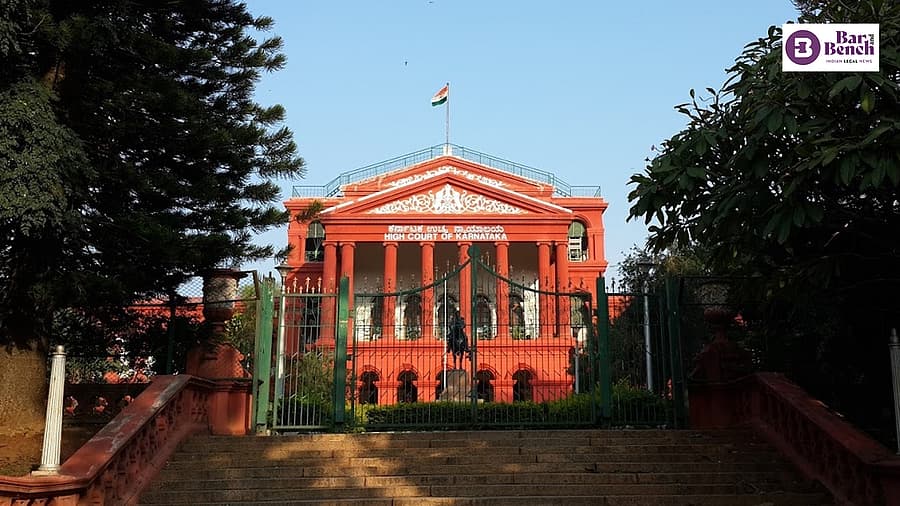
Karnataka High Court: ASI Must Authorize Gulbarga Fort Encroachments Demolition
Summary
- The Karnataka High Court directed the Archaeological Survey of India (ASI) to issue formal demolition orders for illegal structures around Gulbarga Fort.
- This directive mandates the ASI to specifically authorize the District Magistrate under Rule 38(2) of the Ancient Monuments and Archaeological Sites and Remains Rules, 1959.
- The court clarified that without such a formal order, the District Magistrate cannot lawfully proceed with the removal of encroachments.
- The ruling stems from a 2018 petition filed by architect and activist Sharan Desai.
- Previous ASI attempts to address the encroachments, including sending demolition orders, were deemed insufficient by the court due to lack of formal authorization.
Court Mandates Formal Action on Gulbarga Fort Encroachments
This ruling clarifies the procedural requirements under Rule 38(2) of the Ancient Monuments and Archaeological Sites and Remains Rules, 1959, for the Archaeological Survey of India (ASI) to effectively authorize District Magistrates to remove encroachments.
The Karnataka High Court recently issued a significant directive to the Archaeological Survey of India (ASI), mandating the formal authorization of demolition orders for illegal structures surrounding the historic Gulbarga Fort. This ruling, delivered by a Division Bench comprising Justices Anu Sivaraman and KS Bharath Kumar, stems from the case of Sharan Desai MS USA v Superintending Archaeologist & Ors. The court's instruction is clear: the ASI must issue a specific order empowering the District Magistrate to proceed with the removal of these unauthorized constructions.
This judicial intervention emphasizes the necessity for precise procedural adherence in safeguarding protected archaeological sites. The directive specifically targets the numerous illegal structures that have encroached upon the vicinity of the Gulbarga Fort, a site of significant historical importance. The court's decision aims to ensure that all future actions taken to clear these encroachments are conducted under a clear and legally sound mandate, preventing any ambiguity in the enforcement process.
Clarifying Legal Requirements Under Ancient Monuments Rules
At the core of the Karnataka High Court's ruling is a clarification of the procedural requirements stipulated by Rule 38(2) of the Ancient Monuments and Archaeological Sites and Remains Rules, 1959. The court underscored that merely informing or forwarding demolition orders to encroachers or even the District Magistrate is insufficient for lawful enforcement. Instead, a formal, explicit order from the ASI, specifically authorizing the District Magistrate to undertake the demolition, is indispensable.
The Division Bench articulated that without such a direct authorization, the District Magistrate would lack the necessary legal standing to proceed with the removal of structures. The judges stated, "That will not do. You have to pass an order in terms of (Rule) 38(2) by which the District Magistrate would be authorized to remove it, without which they won't remove it." This statement highlights the critical gap in previous attempts and provides a definitive interpretation of the rule's application, ensuring that the District Magistrate can act with proper legal backing.
Background of the Long-Standing Dispute
The current legal directive is the culmination of a protracted effort to protect the Gulbarga Fort from illegal structures, initiated by a petition filed in 2018. Architect and activist Sharan Desai brought the plea before the court, seeking the removal of these unauthorized constructions that have encroached upon the protected area. During the proceedings, Advocate Safalya S Wagle, representing the Archaeological Survey of India, informed the court about the ASI's prior actions.
Wagle explained that the Joint Director-General of the ASI had indeed taken several requisite steps in the past to address the issue. However, these efforts had reportedly failed to elicit a fruitful response from the State authorities, indicating a bureaucratic hurdle in the enforcement process. Furthermore, the ASI had previously dispatched copies of demolition orders directly to the encroachers and subsequently forwarded these documents to the District Magistrate, believing this would suffice for action. The court's recent ruling, however, clarifies that these prior actions, while well-intentioned, did not meet the stringent procedural requirements for effective enforcement.
Broader Implications for Archaeological Site Protection
This judgment from the Karnataka High Court carries significant implications for the protection of archaeological sites across the region and potentially nationwide. By emphasizing strict adherence to Rule 38(2) of the Ancient Monuments and Archaeological Sites and Remains Rules, 1959, the court has established a clear precedent for how the Archaeological Survey of India must interact with local administrative bodies like the District Magistrate to address illegal structures. This ruling clarifies the procedural requirements under Rule 38(2) of the Ancient Monuments and Archaeological Sites and Remains Rules, 1959, for the Archaeological Survey of India (ASI) to effectively authorize District Magistrates to remove encroachments.
The decision ensures that enforcement actions against Gulbarga Fort illegal structures are not only legally robust but also procedurally sound, minimizing potential challenges to demolition orders. It serves as a crucial reminder for government agencies involved in heritage preservation that administrative efforts must be backed by formal legal instruments to be effective. This directive will likely streamline future efforts to safeguard Karnataka High Court archaeological sites, ensuring that the necessary steps are taken to preserve India's rich historical heritage from further degradation due to unauthorized construction.
Practical Implications
This ruling clarifies the procedural requirements under Rule 38(2) of the Ancient Monuments and Archaeological Sites and Remains Rules, 1959, for the Archaeological Survey of India (ASI) to effectively authorize District Magistrates to remove encroachments. Lawyers advising clients on property disputes near protected monuments or compliance officers within relevant government agencies should note the necessity of a formal order from the ASI to ensure lawful enforcement actions.
Source
How does this affect you?
Get an AI analysis of this article grounded in your jurisdictions, practice areas, and any policy documents you've uploaded to Wansom.
Finish Reading the Full Story and the Expert Analysis.
Get the latest legal & regulatory intelligence in India
Wansom is AI and can make mistakes.