
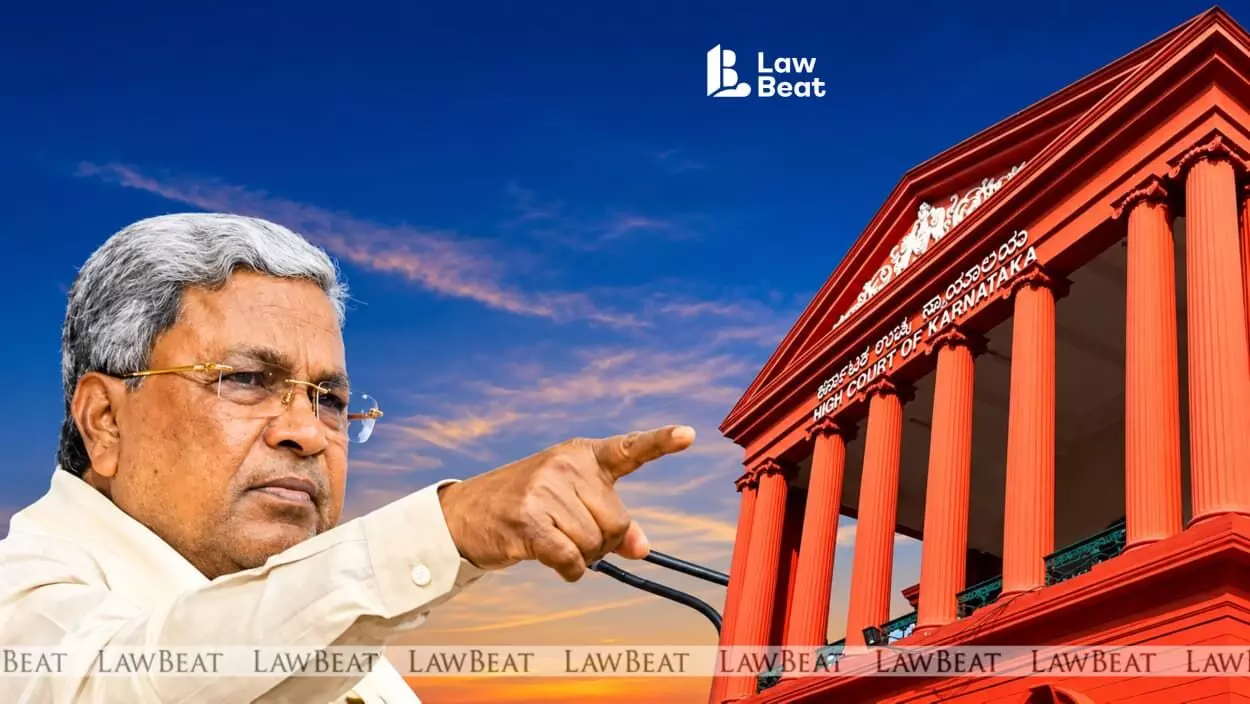
Karnataka HC: Quashes Siddaramaiah Defamation Over 'Corruption Rate Card'
Summary
- The Karnataka High Court has quashed criminal defamation proceedings against former Chief Minister Siddaramaiah.
- The case stemmed from Congress party advertisements published before the 2023 Karnataka Assembly elections, accusing the BJP government of corruption.
- These advertisements featured a "corruption rate card" and alleged commissions up to 40% on government works.
- The BJP had filed a private complaint under Sections 356 of the Bharatiya Nyaya Sanhita (which replaced Sections 499 and 500 of the Indian Penal Code), naming Siddaramaiah and other Congress leaders.
- Justice M Nagaprasanna's single-judge bench allowed Siddaramaiah's petition, setting aside the trial court proceedings.
What Happened
This Karnataka High Court defamation ruling provides a significant precedent regarding political speech during election campaigns.
The Karnataka High Court has recently invalidated criminal defamation proceedings initiated by the State unit of the Bharatiya Janata Party (BJP) against former Chief Minister Siddaramaiah. This significant ruling, delivered by a Single-Judge Bench comprising Justice M Nagaprasanna, effectively quashes the case stemming from newspaper advertisements published by the Congress party ahead of the 2023 Karnataka Assembly elections. The advertisements had controversially accused the then-governing BJP administration of operating a "40 per cent commission sarkar."
The decision came after Justice Nagaprasanna allowed a petition filed by Siddaramaiah, thereby setting aside the legal actions that were pending against him in the trial court. The BJP's complaint specifically targeted a series of advertisements that featured a "corruption rate card," alleging widespread corruption within the government led by then-Chief Minister Basavaraj Bommai. These allegations claimed that the administration demanded significant commissions for various government contracts, transfers, and public works, leading to the BJP's assertion that the ads were false and designed to harm its reputation and influence voters during the crucial Assembly elections. The Karnataka High Court's decision to quash the Siddaramaiah defamation case marks a notable development in the intersection of political campaigning and legal accountability.
The "Corruption Rate Card" Allegations
The core of the controversy originated from advertisements placed by the Congress party on May 5, 2023, just before the polling phase of the Karnataka Assembly elections. These advertisements specifically targeted the BJP government, which had been in power from 2019 to 2023, by alleging that it collected commissions ranging from 25 to 30 percent across numerous government departments and schemes. The campaign highlighted alleged instances of corruption in the procurement of COVID-19-related materials, Public Works Department contracts, grants allocated to religious institutions, the supply of eggs to schools, and various road projects.
Further intensifying their attack, the Congress campaign asserted that the BJP government had misappropriated approximately ₹1.5 lakh crore over its four-year tenure, labeling it a "40 per cent commission government." The advertisements graphically presented these alleged corruption rates for different government services and works in the format of a "corruption rate card," a tactic designed to underscore the party's claims of systemic malfeasance. The BJP vehemently denied these accusations, characterizing them as baseless, reckless, and defamatory, arguing that their widespread publication in mainstream newspapers was a deliberate attempt to tarnish the party's image and undermine its electoral prospects.
Legal Proceedings and High Court's Decision
Following the publication of these contentious advertisements, the Karnataka BJP initiated a private criminal complaint before the Magistrate's Court. The complaint named the Karnataka Pradesh Congress Committee (KPCC), former Chief Minister Siddaramaiah, Chief Minister DK Shivakumar, and Congress leader Rahul Gandhi as responsible parties. The BJP contended that these individuals were behind the publication and circulation of the defamatory advertisements, which they claimed falsely depicted the BJP government as corrupt. The complaint also referenced the Congress's campaign slogan, which contrasted the BJP's "double-engine government" with a "trouble-engine government," and noted Rahul Gandhi's alleged sharing of the advertisements on social media.
The legal basis for the BJP's complaint rested on Sections 356 of the Bharatiya Nyaya Sanhita (which replaced Sections 499 and 500 of the Indian Penal Code), which pertain to criminal defamation and its associated penalties. The trial court had initially taken cognisance of the complaint and issued summons to the accused. However, the Karnataka High Court had previously intervened, staying the trial court proceedings against Siddaramaiah in July 2025. Justice M Nagaprasanna, after hearing arguments, reserved the order on the petitions seeking the quashing of the defamation case in August 2026, ultimately delivering the ruling today that quashed the Siddaramaiah defamation case, emphasizing the high threshold for criminal defamation charges in political discourse. This Karnataka High Court defamation ruling provides a significant precedent regarding political speech during election campaigns.
Practical Implications
This ruling clarifies the high threshold for criminal defamation charges, particularly in the context of political speech and election campaigns in India. Lawyers advising political clients should note this precedent when assessing risks related to public allegations of corruption during electoral periods.
Source
How does this affect you?
Get an AI analysis of this article grounded in your jurisdictions, practice areas, and any policy documents you've uploaded to Wansom.
Wansom is AI and can make mistakes.