
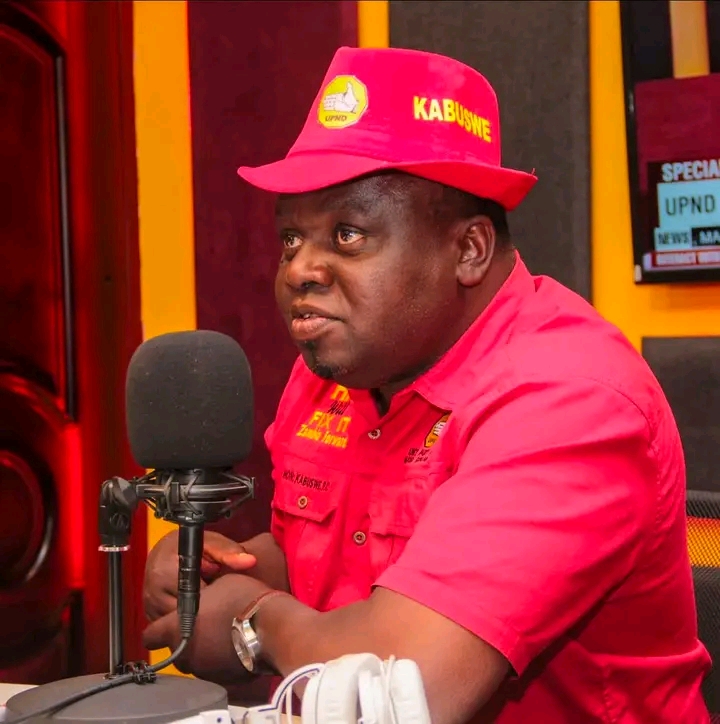
Paul Kabuswe: Files Chililabombwe Election Petition, Cites Irregularities
Summary
- Former Minister Paul Kabuswe has petitioned the Lusaka High Court to nullify the Chililabombwe parliamentary election.
- Kabuswe alleges irregularities, corruption, and violence in the election where he lost to Resolute Party candidate Nsofwa Kabwe Lupele.
- Specific allegations include Lupele and his agents distributing K50 to K100 to voters at Ishuko Tavern.
- The petition seeks to overturn the election results based on these alleged acts of electoral misconduct.
The Election Challenge
Former Mines and Minerals Minister Paul Kabuswe has initiated a legal challenge at the Lusaka High Court, seeking the nullification of the parliamentary election results for the Chililabombwe constituency.
Former Mines and Minerals Minister Paul Kabuswe has initiated a legal challenge at the Lusaka High Court, seeking the nullification of the parliamentary election results for the Chililabombwe constituency. This Kabuswe Chililabombwe election petition centers on serious allegations of electoral misconduct, specifically citing irregularities, corruption, and violence as grounds for his appeal. The petition aims to overturn the victory of Nsofwa Kabwe Lupele, the candidate representing the Resolute Party, who was declared the winner in the contested election.
Mr. Kabuswe's legal action underscores a broader concern regarding the integrity of the electoral process. His petition details specific instances of alleged wrongdoing that he contends directly influenced the outcome of the vote. The former minister is leveraging the judicial system to scrutinize the conduct of the election, arguing that the reported malpractices were significant enough to warrant a complete invalidation of the results in Chililabombwe.
Allegations of Electoral Misconduct
Central to Paul Kabuswe's election challenge are claims that the winning candidate, Nsofwa Kabwe Lupele, and individuals acting on his behalf, engaged in direct financial inducement of voters. The petition specifically alleges that sums ranging from K50 to K100 were distributed to voters. This alleged distribution of money reportedly took place at Ishuko Tavern, an identified location within the constituency.
These accusations fall under the umbrella of corruption and electoral irregularities Zambia's legal framework aims to prevent. Such practices, if proven, could constitute undue influence on the electorate, thereby undermining the fairness and transparency of the parliamentary contest. The court will now be tasked with examining the veracity of these claims and determining their potential impact on the election's legitimacy, a key aspect of the Chililabombwe parliamentary nullification proceedings.
Legal Context and Significance
The Lusaka High Court election case involving Paul Kabuswe highlights the critical role of the judiciary in safeguarding democratic processes in Zambia. Election petitions, governed by Zambia election petition law, provide a vital avenue for aggrieved candidates to challenge results based on alleged breaches of electoral conduct. Grounds such as corruption, violence, and irregularities are commonly cited in such cases, reflecting the legal system's commitment to ensuring free and fair elections.
This particular case serves as a live example of the types of challenges that can arise post-election and the judicial scrutiny they entail. The outcome of this petition could set important precedents regarding the interpretation and enforcement of electoral integrity standards, influencing future electoral disputes and the conduct of political campaigns across the nation. It underscores the ongoing efforts to uphold the principles of transparency and accountability within Zambia's political landscape.
Practical Implications
This case provides a live example of grounds for challenging parliamentary election results in Zambia, specifically focusing on alleged irregularities, corruption, and and violence. Lawyers advising political clients or involved in electoral law should monitor the Lusaka High Court's proceedings for potential precedents regarding the interpretation and enforcement of electoral integrity.
Source
How does this affect you?
Get an AI analysis of this article grounded in your jurisdictions, practice areas, and any policy documents you've uploaded to Wansom.
Finish Reading the Full Story and the Expert Analysis.
Wansom is AI and can make mistakes.