
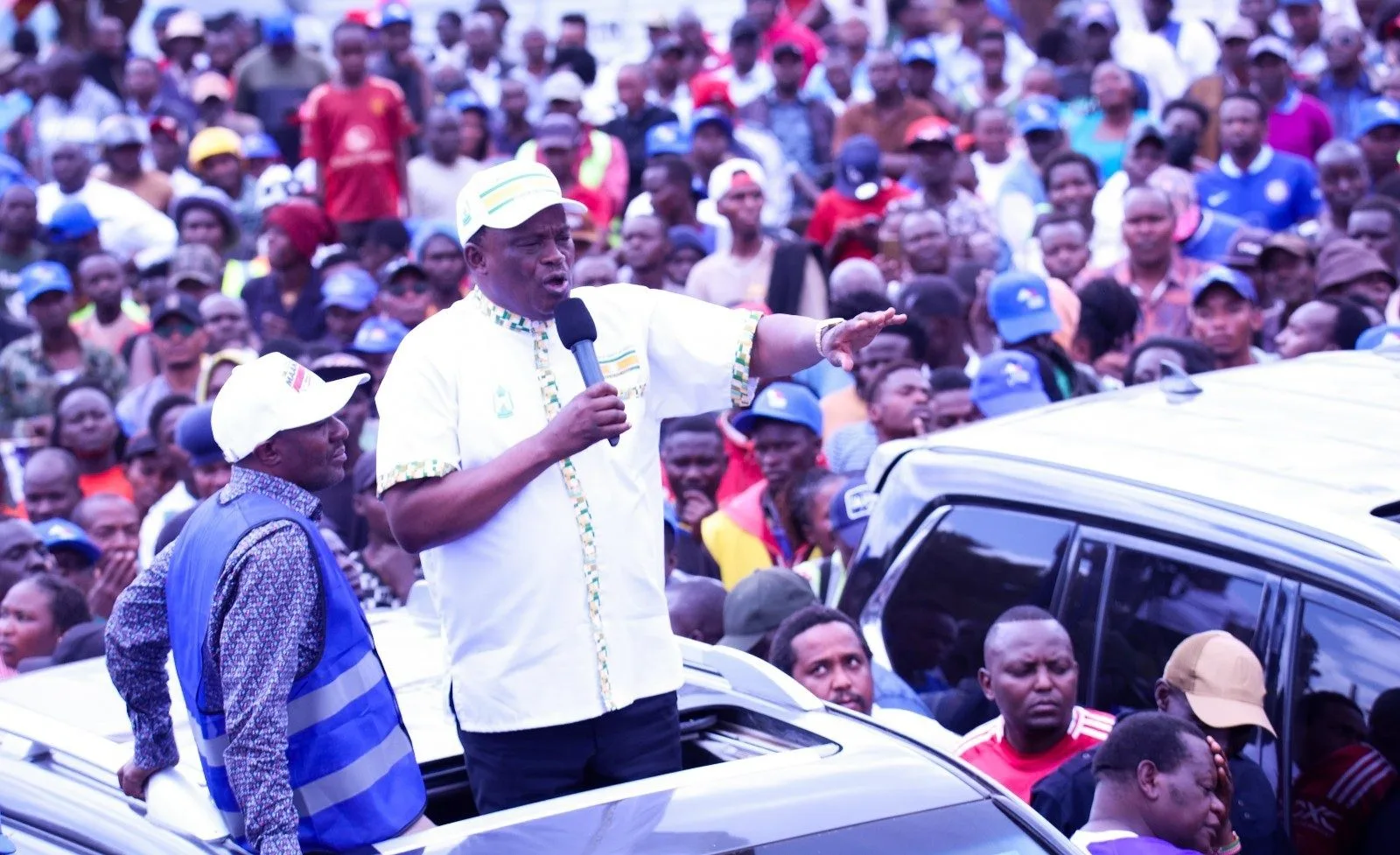
Justin Muturi: Kenya 2027 Election Law Delay Threatens Poll
Summary
- Former National Assembly Speaker Justin Muturi warned that parliamentary delays in electoral law reforms could imperil Kenya's 2027 General Election.
- He highlighted unresolved issues concerning electoral technology, procurement, and intellectual property rights, which he says must be settled before election preparations finalize.
- Muturi specifically cited the Elections (Amendment) Bill, 2024, which remains pending in the National Assembly despite passing the Senate.
- He linked the current inaction to the 2023 protests, where nearly 100 lives were lost amid demands for clarity on electoral technology.
- Muturi stressed that a clear legal framework is crucial for the IEBC's preparedness and to prevent a crisis, warning of accountability for parliamentary failure.
Urgent Warning on Electoral Reforms
The credibility of the upcoming election, he concluded, hinges not only on the conduct of the IEBC but also crucially on whether the legal framework governing the poll is clear and settled in good time.
Former National Assembly Speaker Justin Muturi has issued a stark warning regarding the potential jeopardization of Kenya's 2027 General Election due to parliamentary inaction on critical electoral law amendments. Speaking on August 28, Muturi, who also leads the Democratic Party, highlighted that unresolved legal questions surrounding electoral technology, procurement, and intellectual property rights could severely undermine public trust in the electoral process. He emphasized that these issues, particularly concerning IEBC electoral technology procurement laws, must be settled well in advance of the final preparations for the upcoming election.
Muturi specifically pointed to the Elections (Amendment) Bill, 2024 Kenya, which has successfully passed the Senate and been transmitted to the National Assembly but remains stalled. He characterized this legislative delay as more than mere parliamentary procrastination, asserting that it amounts to "electoral sabotage." The former Speaker directly called upon National Assembly Speaker Moses Wetang’ula and other Members of Parliament to ensure the swift tabling, debate, and conclusion of these crucial amendments without further delay.
This urgency surrounding the Justin Muturi Kenya 2027 election law delay stems from the need for a clear legal framework to guide the Independent Electoral and Boundaries Commission (IEBC) in its preparations. Muturi stressed that clarity is paramount for the IEBC's procurement processes and its acquisition and deployment of electoral technology. He cautioned that continued legal uncertainty could complicate the IEBC's procurement decisions, potentially exposing the body to costly Kenya electoral disputes 2027 at a time when its focus should be entirely on preparing for the 2027 poll.
Lessons from Past Unrest and Future Risks
Muturi drew a direct parallel between the current legislative inertia and the unrest that followed the 2023 protests in Kenya. He reminded lawmakers that nearly 100 lives were lost during those demonstrations, which were partly fueled by public demands for accountability and greater clarity on issues related to electoral technology and intellectual property rights. Muturi argued that these fatalities should serve as a compelling reason for state institutions to address the systemic weaknesses exposed within the country's electoral framework.
He warned against treating the loss of life as a mere statistic, cautioning that allowing similar legal ambiguities to persist could precipitate an even more severe crisis ahead of the 2027 election. For businesses involved in electoral technology or contracting with the IEBC, this unresolved legal landscape presents significant risks of procurement disputes and regulatory uncertainty, potentially impacting their operational planning and compliance for the Kenya 2027 general election legal framework. Muturi insisted that all questions pertaining to electoral technology, procurement, and intellectual property rights must be definitively resolved before any contracts are awarded and before the nation enters the critical final stages of election preparation.
Safeguarding Credibility and Accountability
Beyond the immediate operational challenges for the IEBC, Muturi highlighted that uncertainty surrounding the legal framework could profoundly damage public confidence in the electoral body and, by extension, the overall credibility of the 2027 General Election. He cautioned political leaders against the mistaken belief that the repercussions of legislative inaction would be confined solely within Parliament, emphasizing that an electoral crisis carries substantial human and economic costs for the entire nation.
Muturi underscored that restoring public trust and peace becomes considerably more difficult once confidence in an election collapses. He urged lawmakers to view electoral reforms as an urgent national responsibility rather than a routine legislative matter, asserting that Kenya cannot afford to wait for another crisis to address already identified weaknesses. Furthermore, he warned that Parliament could face direct accountability if its failure to act contributes to an electoral crisis in 2027, stating that those responsible for such inaction must be held accountable. The credibility of the upcoming election, he concluded, hinges not only on the conduct of the IEBC but also crucially on whether the legal framework governing the poll is clear and settled in good time.
Practical Implications
Lawyers advising clients involved in electoral technology, procurement, or political campaigns in Kenya should closely monitor the progress of the Elections (Amendment) Bill, 2024. The unresolved legal questions pose significant risks of procurement disputes and regulatory uncertainty for businesses contracting with the IEBC, potentially impacting compliance and operational planning for the 2027 General Election.
Source
How does this affect you?
Get an AI analysis of this article grounded in your jurisdictions, practice areas, and any policy documents you've uploaded to Wansom.
Finish Reading the Full Expert Analysis.
Wansom is AI and can make mistakes.