
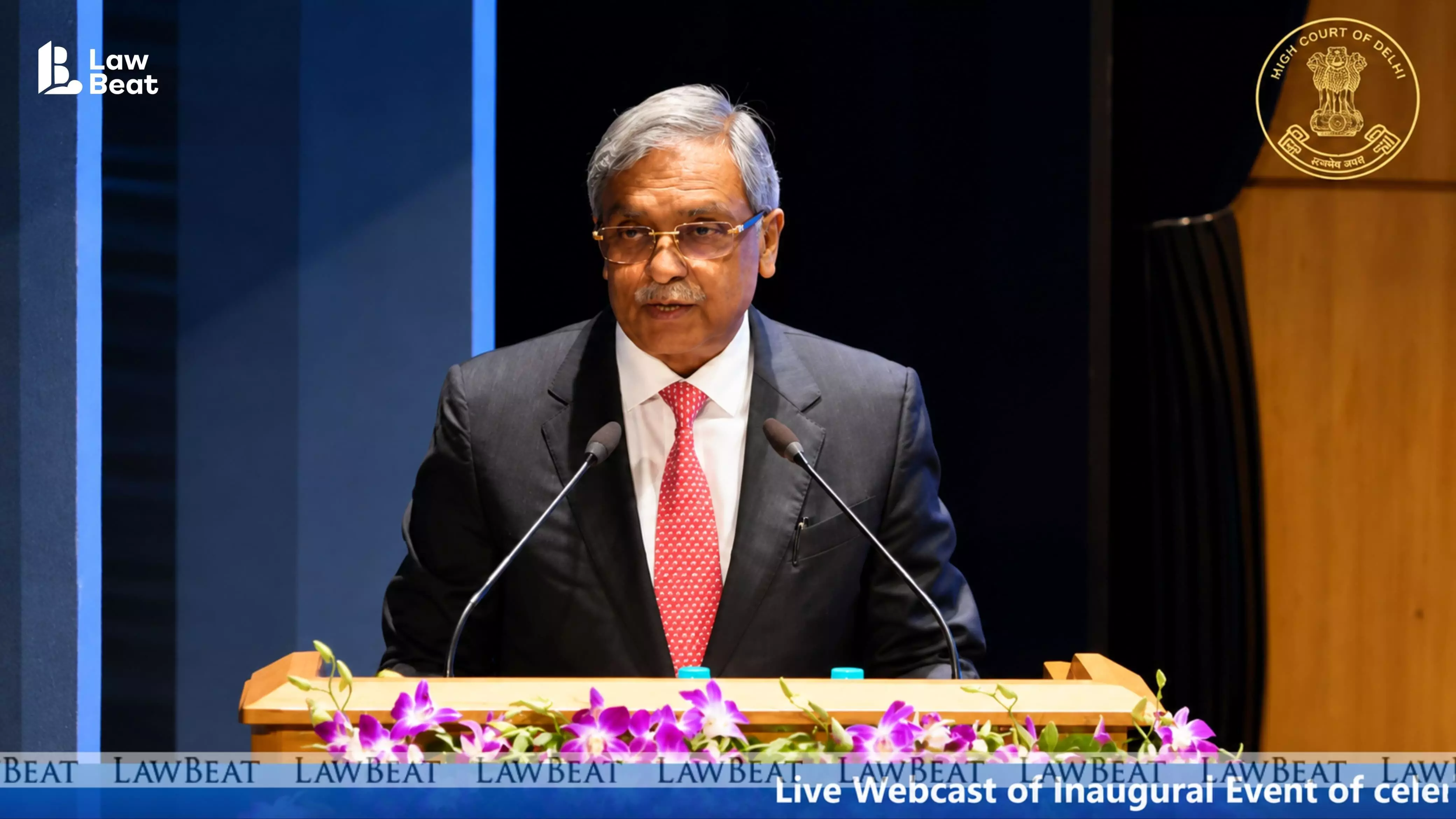
Justice Vikram Nath Delhi High Court: Praises Collective Effort at 60-Year Jubilee
Summary
- Justice Vikram Nath delivered a speech at the inaugural event marking the Delhi High Court's diamond jubilee.
- He attributed the court's distinguished standing to the efforts of successive generations of judges, advocates, registry officials, and staff.
- Justice Nath recalled a past remark, made in jest, that Delhi High Court judges sometimes appeared more powerful than Supreme Court judges.
Commemorating a Milestone
He recounted a past instance where he had remarked that the judges of this particular High Court sometimes appeared to possess more power than their counterparts on the Supreme Court.
The Delhi High Court recently marked a significant milestone, commemorating its diamond jubilee with an inaugural event that reflected on its six decades of judicial service. During this celebratory occasion, Justice Vikram Nath delivered a speech, underscoring the collective efforts that have shaped the institution's distinguished standing within the Indian judiciary. The event served as a moment to acknowledge the enduring legacy and contributions of all individuals associated with the court since its inception, highlighting the profound impact it has had on the legal landscape of the nation.
This grand celebration of the Delhi High Court's 60 years brought together legal luminaries and stakeholders to reflect on its journey and its pivotal role in upholding justice. Justice Nath's address highlighted the foundational role played by various generations in establishing the court's reputation for excellence and integrity. His remarks set a contemplative tone for the jubilee, emphasizing continuity and the shared responsibility for upholding judicial standards, thereby reinforcing the court's historical significance.
The Pillars of Judicial Excellence
In his address, Justice Vikram Nath specifically attributed the Delhi High Court's esteemed position to the unwavering dedication of successive generations. He meticulously acknowledged the pivotal roles played by judges, advocates, registry officials, and the broader staff. This collective commitment, according to Justice Nath, has been instrumental in cultivating the court's unique aura and its significant influence within the legal landscape, making it a cornerstone of the Indian judiciary.
The consistent contributions from these diverse groups have fostered an environment of robust legal discourse and efficient administration. The synergy between the bench, the bar, and the administrative machinery has, over the decades, solidified the Delhi High Court's reputation as a formidable and respected judicial body. This enduring collaboration has been crucial in shaping a court known for its intellectual rigor and its ability to handle complex legal challenges, thereby contributing substantially to Indian judiciary history.
A Unique Perception of Power
During his speech, Justice Vikram Nath shared a memorable observation he had once made, delivered in a lighter vein, regarding the perceived authority of the Delhi High Court. He recounted a past instance where he had remarked that the judges of this particular High Court sometimes appeared to possess more power than their counterparts on the Supreme Court. This comment, while made in jest, points to a unique perception of the Delhi High Court's influence and the immediate impact of its rulings on the legal community and the public.
This anecdotal insight from Justice Vikram Nath offers a glimpse into the distinctive character and perceived gravitas of the Delhi High Court. The notion that its judges could, at times, seem to wield greater immediate authority than those at the apex court, even if an informal observation, speaks volumes about the court's significant role and the weight carried by its pronouncements in the national legal framework. It underscores the profound respect and influence the institution commands, reflecting its unique standing within the broader Indian judicial system.
Practical Implications
This article is a commemorative piece celebrating the Delhi High Court's 60th anniversary and does not present a direct actionable legal implication for lawyers or compliance officers. It offers historical context and insights into the court's standing.
Source
How does this affect you?
Get an AI analysis of this article grounded in your jurisdictions, practice areas, and any policy documents you've uploaded to Wansom.
Finish Reading the Full Story and the Expert Analysis.
Wansom is AI and can make mistakes.