
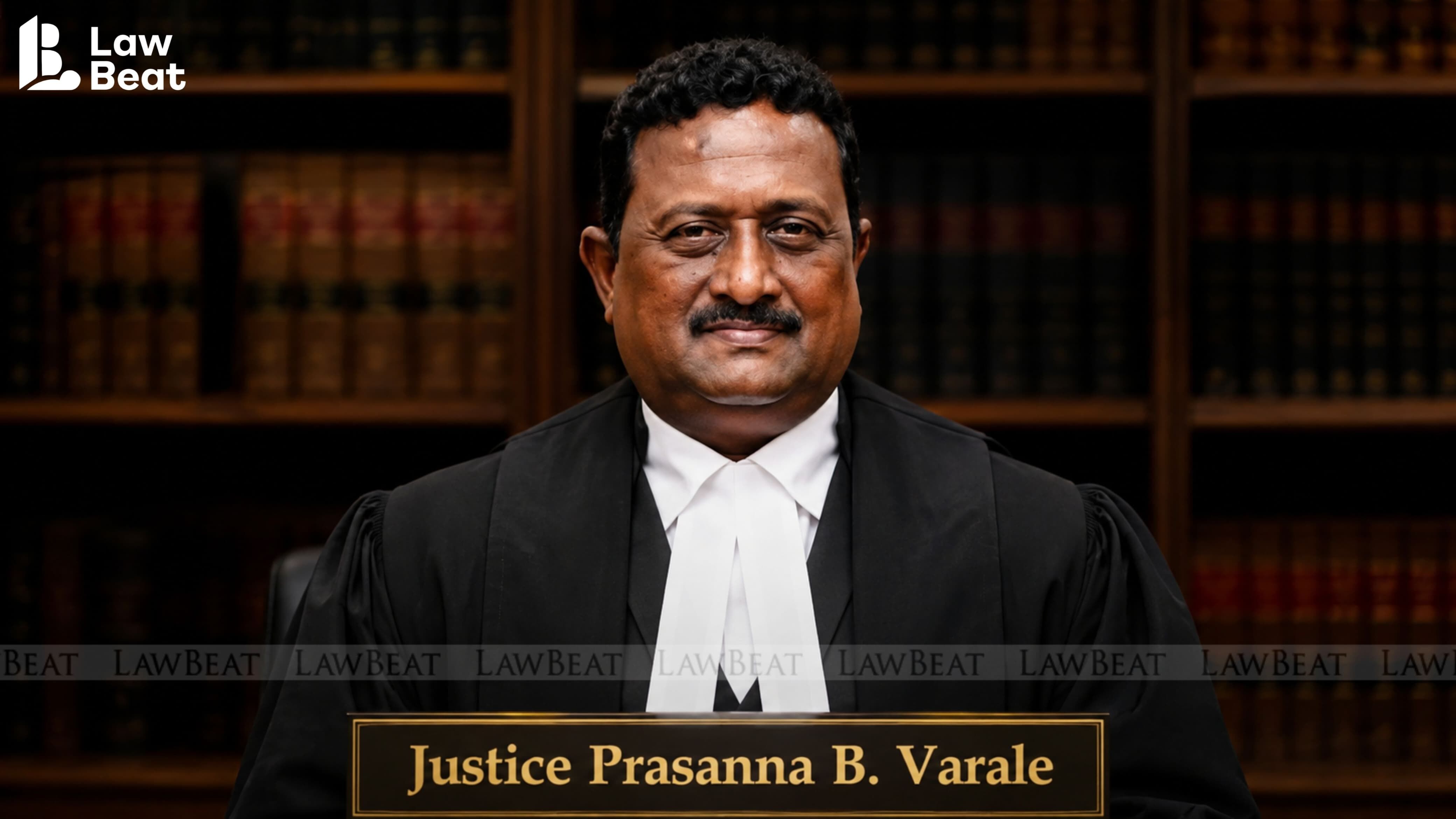
Justice Varale: Maharashtra Kumbh Budget Could Save Marathi Schools
Summary
- Supreme Court Justice Prasanna B Varale criticized Maharashtra's education funding, contrasting it with large allocations for events like the Nashik Kumbh Mela.
- He stated that 0.1% of the Kumbh Mela budget, approximately Rs 32 crore, could have saved 100-125 Marathi-medium schools from closure.
- Justice Varale highlighted that Maharashtra's education budget has consistently shrunk for years, failing to even reach 13%, despite a growing student population.
- He emphasized that primary education and healthcare are fundamental rights, and essential facilities must be provided for children in schools.
- The Justice also recounted a tragic incident where three female students died from snakebites due to inadequate rural school facilities.
What Happened
Justice Varale pointed out that if just 0.1 percent of this amount, approximately Rs 32 crore, had been directed towards education, it would have been sufficient to save 100 to 125 Marathi-medium schools across the state that have since ceased operations.
Supreme Court Justice Prasanna B Varale recently drew a stark comparison between significant state expenditures on religious events and infrastructure projects, and the dwindling financial support for Marathi-medium schools in Maharashtra. Speaking at an inauguration event for smart classes in Dhule, the judge highlighted the precarious state of education funding. He specifically noted that a mere fraction of the substantial budget allocated for the Nashik Kumbh Mela could have prevented the closure of numerous regional language institutions.
Justice Varale pointed out that the government earmarks between Rs 32,000 crore and Rs 34,000 crore for the Nashik Kumbh Mela. He calculated that if just 0.1 percent of this amount, approximately Rs 32 crore, had been directed towards education, it would have been sufficient to save 100 to 125 Marathi-medium schools across the state that have since ceased operations. This observation underscores a critical disparity in public spending priorities.
Beyond the Kumbh Mela, the Supreme Court judge also referenced an additional Rs 11,000 crore allocated for various corridor projects. His remarks served as a direct critique of the financial decisions impacting the state's educational landscape, suggesting that a re-evaluation of budget distribution could yield significant benefits for foundational services.
Judicial Concerns on Education Funding
The Supreme Court Justice expressed profound concern over what he termed the "dismal state" of education funding within Maharashtra. He observed that despite a continually growing student population, the state's education budget has consistently shrunk over several years, failing to even reach the 13 percent mark. This persistent underfunding, he argued, directly contributes to the challenges faced by schools, particularly those serving regional language communities.
Justice Varale further underscored the dire consequences of inadequate funding by citing a tragic incident involving rural school infrastructure. He recounted a case where three female students, attending a school linked to a religious institution, died from snakebites because they were forced to sleep on the floor due to a severe lack of proper facilities. This incident, he implied, stands in stark contrast to the government's apparent willingness to commit vast sums to large-scale events and infrastructure initiatives.
He explicitly contrasted the substantial allocations for events like the Nashik-Trimbakeshwar Simhastha Kumbh Mela and the significant funds released for corridor projects with the neglect of basic educational provisions. The judge's remarks highlight a perceived imbalance where cultural and developmental projects receive ample financial backing, while essential services like primary education struggle for resources.
Fundamental Rights and Personal Perspective
Emphasizing the foundational importance of education, Justice Varale asserted that primary education and healthcare are fundamental rights of every citizen. He underscored this belief by stating that "children are the future of the country" and, consequently, essential facilities must be provided for them in schools. This declaration frames the issue of education funding not merely as a budgetary concern but as a matter of upholding constitutional guarantees.
The Justice also shared a personal anecdote to counter potential arguments against regional language education. He revealed that he completed his own schooling up to the tenth grade in municipal and Zilla Parishad Marathi-medium schools. Far from hindering his professional trajectory, he stated that studying in his regional language actually broadened his perspective and did not impede his career progression.
Justice Varale later clarified in an interview that his public statements reflected his genuine sentiments, expressing what he "truly felt in [his] heart." This personal conviction adds weight to his judicial observations, positioning his concerns as deeply held beliefs about societal priorities and the welfare of future generations.
Why It Matters
The public remarks by a sitting Supreme Court Justice regarding state budget allocations carry significant weight, particularly when they touch upon fundamental rights such as education. Justice Prasanna B Varale's pointed critique of Maharashtra's spending priorities, contrasting massive outlays for events like the Nashik Kumbh Mela with the underfunding of Marathi-medium schools, brings a high-level judicial perspective to a critical public policy debate. His intervention could prompt increased scrutiny of government spending decisions and potentially influence future policy discussions surrounding education and public welfare.
By explicitly linking primary education to fundamental rights, Justice Varale's statements reinforce the constitutional obligation of the state to ensure access to quality schooling. His detailed financial comparison, suggesting that a minuscule portion of a large event budget could have saved numerous schools, provides a tangible metric for evaluating fiscal responsibility. This judicial commentary serves as a powerful reminder that budgetary choices have direct and profound impacts on the lives of citizens, especially children, and their access to essential services.
Practical Implications
This article highlights a Supreme Court judge's concern over state budget allocations and their impact on fundamental rights like education, potentially influencing future public interest litigation or legal arguments challenging government spending priorities in Maharashtra.
Source
How does this affect you?
Get an AI analysis of this article grounded in your jurisdictions, practice areas, and any policy documents you've uploaded to Wansom.
Wansom is AI and can make mistakes.