
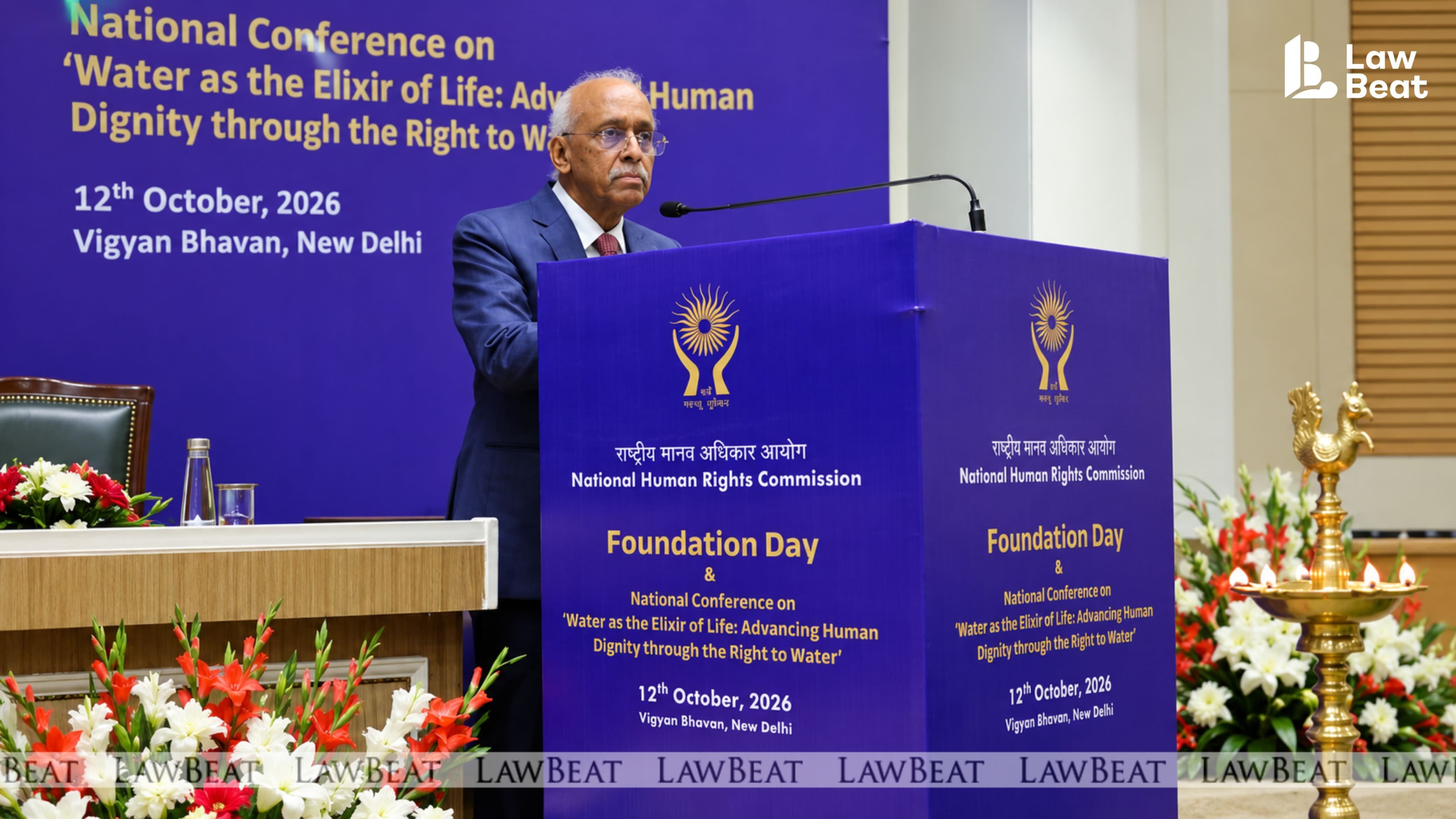
Justice V. Ramasubramanian: CJI Office Vulnerability an 'Agni Pariksha'
Summary
- NHRC Chairperson Justice V. Ramasubramanian described the Chief Justice of India's office as the country's most vulnerable, despite its power.
- He asserted that the CJI's office undergoes a constant "Agni Pariksha" (test of fire) from various sources.
- Justice Ramasubramanian highlighted that non-State actors and the digital revolution have made threats to individual rights more complex than ever before.
- He linked the climate crisis to global inequality, noting the disproportionate carbon emissions from the wealthiest populations.
- The NHRC Chairperson called for human rights institutions, including the NHRC itself, to reinvent their approaches to remain relevant in addressing modern challenges.
Vulnerability of the CJI's Office
The profound Justice V. Ramasubramanian CJI office vulnerability, he argued, makes the Chief Justice's acceptance of the NHRC's invitation particularly noteworthy, especially given the high demands on the incumbent's time.
Justice V. Ramasubramanian, who serves as the Chairperson of the National Human Rights Commission (NHRC) and is a former Supreme Court judge, recently highlighted the unique challenges faced by the Chief Justice of India's office. Speaking at the NHRC's 33rd Foundation Day on October 12, where Chief Justice of India Surya Kant was the Chief Guest, Justice Ramasubramanian characterized the CJI's position as simultaneously the most powerful and the most vulnerable in the nation.
He elaborated on the intense scrutiny and constant pressure, likening the experience of the Chief Justice of India's office to an "Agni Pariksha," or a trial by fire, that occurs every minute. This rigorous testing, he noted, does not always originate from benevolent sources. The profound Justice V. Ramasubramanian CJI office vulnerability, he argued, makes the Chief Justice's acceptance of the NHRC's invitation particularly noteworthy, especially given the high demands on the incumbent's time.
Justice Ramasubramanian expressed significant gratitude to Chief Justice Surya Kant for his presence, underscoring the importance of his attendance at the event. His remarks underscored the immense responsibility and exposure inherent in leading the country's highest judicial office, suggesting that its influence is matched only by its susceptibility to external pressures and criticisms.
The Shifting Landscape of Human Rights
Beyond the specific challenges facing the Chief Justice's office, Justice Ramasubramanian addressed the broader, evolving landscape of human rights. He acknowledged the significant global advancements over the past century, yet cautioned that these developments have not simplified the task of protecting individual rights. Instead, he contended that contemporary challenges are more intricate than ever before, necessitating a fundamental reinvention of human rights institutions worldwide to maintain their relevance.
A critical aspect of this complexity, he explained, stems from the increasing influence of non-State actors and the profound impact of the digital revolution. While historically human rights discourse primarily focused on the dynamic between citizens and the State, this two-dimensional framework is now insufficient. The digital realm, in particular, presents new threats, enabling the manipulation of public opinion, the influencing of thought processes, and the monitoring of both the physical and mental activities of individuals, thereby creating new avenues for human rights institutions digital threats.
Furthermore, Justice Ramasubramanian drew a stark connection between the climate crisis and global inequality, illustrating how these issues intertwine to create complex human rights dilemmas. He pointed out that the poorest half of the world's population is responsible for only 14 percent of global carbon dioxide emissions, while the wealthiest 10 percent contribute to half of all emissions. This disparity, he asserted, is not coincidental, but rather a direct consequence of "fossil capitalism," where fossil fuels have driven both extraordinary human progress over the last two centuries and the severe environmental and social problems the world now confronts.
NHRC's Call for Reinvention
In light of these multifaceted challenges, NHRC Chairperson V. Ramasubramanian emphasized the imperative for human rights bodies to adapt and evolve. He stated that the 33rd Foundation Day served as a crucial occasion for the National Human Rights Commission to renew its commitment to the promotion and protection of human rights, while also pledging to reinvent itself to effectively address emerging issues.
This reinvention, he suggested, involves not only a strategic re-evaluation of approaches but also a re-engineering of the personalities and capabilities of those serving within the institution to enhance its delivery system. The NHRC, established on October 12, 1993, operates under the mandate of the Protection of Human Rights Act, 1993, providing a foundational legal framework for its ongoing mission.
His call underscores a recognition that the traditional mechanisms and perspectives, while vital, must be augmented to contend with the complexities introduced by global inequality, climate change, and the pervasive influence of non-State actors and digital technologies on human rights in India and globally. The Commission's pledge reflects a proactive stance towards ensuring its continued efficacy in a rapidly changing world.
Practical Implications
Lawyers and compliance officers should note the evolving landscape of human rights, particularly the increasing role of non-State actors and digital threats. This necessitates a broader approach to human rights due diligence and compliance, extending beyond traditional state-centric frameworks to include digital ethics, data governance, and corporate responsibility for impacts in a digitally interconnected world.
Source
How does this affect you?
Get an AI analysis of this article grounded in your jurisdictions, practice areas, and any policy documents you've uploaded to Wansom.
Finish Reading the Full Story and the Expert Analysis.
Get the latest legal & regulatory intelligence in India
Wansom is AI and can make mistakes.