
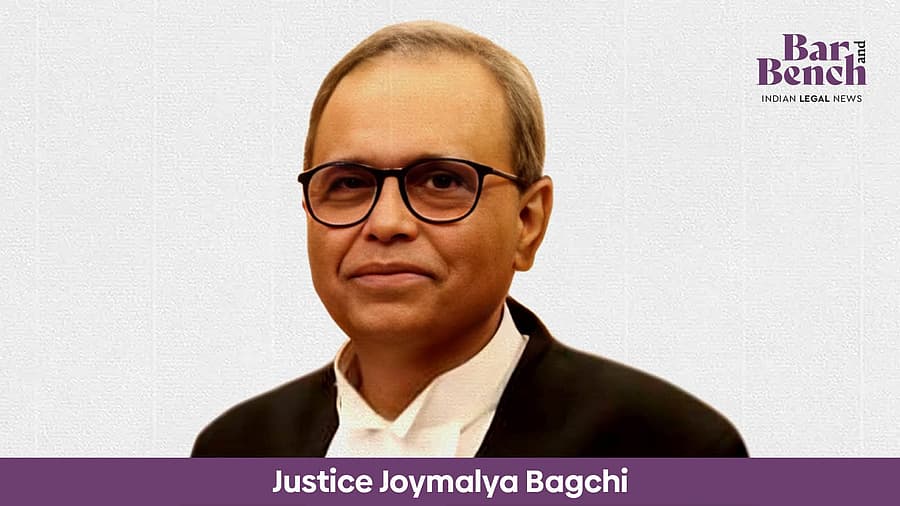
Justice Joymalya Bagchi Warns on Threat to Judicial Independence
Summary
- Supreme Court Justice Joymalya Bagchi warned about the threat to judicial independence due to social media and algorithm-driven public outrage.
- Justice Bagchi noted that judges are being demonized on social media for taking independent views not endorsed by the mob.
- Live-streaming of court proceedings has brought unintended consequences, including unauthorized video clips and trolling of judges.
What Happened
Dispassionate adjudication is auctioned on the altar of likes, and judges are demonised in the social media marketplace for holding on to an independent view, not endorsed by the uninformed mob.
Supreme Court Justice Joymalya Bagchi recently sounded a warning about the growing threat to judicial independence. Speaking at the fifth Justice HR Khanna Memorial National Symposium, Justice Bagchi noted that social media and algorithm-driven public outrage are reshaping how justice is perceived. The judge observed that judges are increasingly being demonized on social media for taking an independent view not endorsed by the mob.
Justice Bagchi's comments come as live-streaming of court proceedings has become more common. However, this increased transparency has brought its own set of problems. Digital space is now replete with unauthorized video clips of judicial proceedings, extracted or copied from live-streamed content. The judiciary is also being trolled by treating tentative oral observations as final verdicts.
Legal Context
The issue of judicial independence has been a pressing concern in India for some time. Judges have faced intense scrutiny and criticism on social media, often for taking decisions that are unpopular with the public. This trend is not unique to India, as judges around the world have faced similar challenges. However, the scale and intensity of the problem in India are particularly concerning. The country's large and diverse population, combined with its vibrant social media ecosystem, has created a perfect storm for misinformation and algorithm-driven content to spread quickly.
The Indian judiciary has taken steps to address these issues, including live-streaming court proceedings. However, this move has also had unintended consequences, such as the proliferation of unauthorized video clips and the trolling of judges.
Why It Matters
Justice Bagchi's comments highlight the need for greater awareness about the impact of social media on judicial proceedings. Lawyers and compliance officers should be aware that judges who uphold independent views may face public backlash, which can have serious consequences for their reputation and even their safety. Clients should also consider the potential impact of social media on their cases, including the risk of misinformation and algorithm-driven content influencing public opinion.
The issue is not just about protecting judges from online harassment but also about maintaining the integrity of the judicial process. As Justice Bagchi noted, 'dispassionate adjudication is auctioned on the altar of likes' when social media influences how justice is perceived. It is essential to strike a balance between transparency and the need to protect the judiciary from online attacks.
Practical Implications
Lawyers and compliance officers should be aware of the potential for public backlash against judges who uphold independent views, and advise clients to consider the impact of social media on judicial proceedings.
Source
How does this affect your business?
Get an AI analysis of this article grounded in your jurisdictions, practice areas, and any policy documents you've uploaded to Wansom.
Wansom is AI and can make mistakes.