
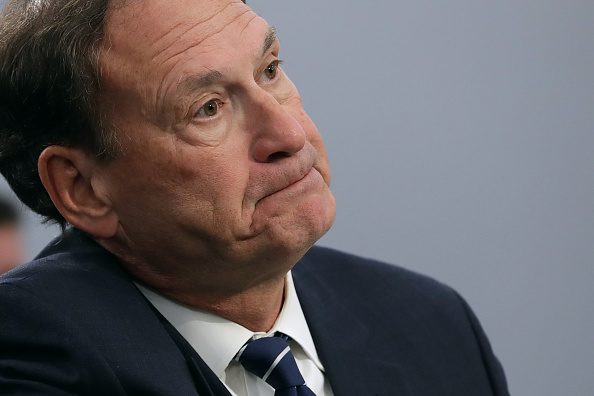
Samuel Alito: Oil Gas Stock Recusal Demands Mount Amid Climate Case
Summary
- Justice Samuel Alito's recently released financial disclosures confirm his substantial holdings in oil and gas stocks.
- These investments come to light as the Supreme Court prepares to hear a significant climate-related case.
- Watchdog organizations argue that these financial interests necessitate Justice Alito's recusal from the upcoming environmental litigation.
- The controversy underscores ongoing concerns about judicial ethics and potential conflicts of interest within the Supreme Court.
What Happened
The public's trust in the judiciary hinges on the belief that justices render decisions based solely on legal merit, free from personal bias or financial influence.
Recent financial disclosures from Supreme Court Justice Samuel Alito have brought renewed attention to judicial ethics, particularly concerning his investments in the energy sector. The Justice's long-awaited financial records, made public this morning after an extended period of being withheld, confirm his continued significant holdings in oil and gas stocks. This revelation comes at a critical juncture, as the Supreme Court is poised to hear a major case related to global warming and climate policy. The timing of these disclosures, coupled with the nature of the investments, has immediately drawn scrutiny from various oversight organizations.
Ethical Scrutiny and Recusal Demands
The controversy surrounding Justice Alito's oil and gas stock holdings highlights persistent questions about judicial ethics and impartiality on the nation's highest court. Watchdog organizations are specifically calling for a Samuel Alito oil gas stock recusal from the impending climate case, arguing that his financial ties create an appearance of impropriety, if not an actual conflict. Federal law and judicial canons generally require judges to disqualify themselves from cases where their impartiality might reasonably be questioned, including situations involving a financial interest in a party or subject matter.
The core of the argument for recusal rests on the potential for Justice Alito's personal wealth to be affected by the outcome of a case directly impacting the energy industry. Such judicial ethics oil and gas holdings are seen by critics as problematic, as decisions in major environmental cases can have significant financial ramifications for companies in the fossil fuel sector. The pressure for recusal underscores the ongoing public and legal community's demand for transparency and strict adherence to ethical guidelines, especially when the Supreme Court addresses issues of national and global importance like climate change.
Implications for the Supreme Court's Integrity
This situation extends beyond the individual actions of Justice Alito, raising broader concerns about the Supreme Court climate case conflict and the institution's perceived impartiality. The public's trust in the judiciary hinges on the belief that justices render decisions based solely on legal merit, free from personal bias or financial influence. When a Justice Alito financial disclosure reveals significant investments in an industry directly implicated in a pending case, it can erode that crucial public confidence.
The calls for Justice Alito's recusal from global warming cases reflect a growing demand for greater accountability regarding the financial interests of Supreme Court justices. Such controversies can fuel skepticism about the fairness of judicial outcomes, particularly in highly politicized areas like environmental law. Ensuring that justices are free from even the appearance of conflict is vital for maintaining the integrity and legitimacy of the Supreme Court as a neutral arbiter of justice.
Practical Implications
This development highlights the ongoing scrutiny of judicial financial interests, particularly in high-stakes environmental litigation. Lawyers should be aware of these ethical considerations and potential challenges to judicial impartiality, which could influence case strategy or public perception of rulings in similar cases.
Source
How does this affect you?
Get an AI analysis of this article grounded in your jurisdictions, practice areas, and any policy documents you've uploaded to Wansom.
Finish Reading the Full Story and the Expert Analysis.
Wansom is AI and can make mistakes.