
Judge Noël Wise: Noncitizen Protected Speech Cannot Be Penalized
Summary
- U.S. District Judge Noël Wise ruled that federal immigration law cannot be used to punish noncitizens for protected speech.
- The 90-page decision found that the Trump administration's enforcement of Immigration and Nationality Act provisions violated the First and Fifth Amendments.
- The ruling stemmed from a lawsuit filed in August 2025 by The Stanford Daily and two international students against the Trump administration and Secretary of State Marco Rubio.
- Judge Wise criticized Secretary of State Marco Rubio's "standardless" and "seriously discriminatory enforcement" of visa revocations, which targeted noncitizens critical of the government or its favored causes since March 2025.
- The decision affirms that free speech, including the right to criticize the government, is an inalienable constitutional right for all individuals in the United States, regardless of citizenship status.
Landmark Ruling Protects Noncitizen Speech
Zealous protection of our constitutional right to free speech is a provocative demonstration of our country’s powerful lack of fear.
A federal judge in San Francisco has issued a significant ruling, declaring that the U.S. government cannot use immigration statutes to penalize noncitizens for exercising their constitutionally protected speech. U.S. District Judge Noël Wise, a Joe Biden appointee, delivered a 90-page decision on Friday, asserting that the Trump administration's attempts to silence international students critical of the government posed a threat to the fundamental freedoms of all individuals within the United States.
The lawsuit, filed in August 2025 by The Stanford Daily, a student newspaper, alongside two of its international students, accused the Trump administration of weaponizing specific provisions of the Immigration and Nationality Act. The plaintiffs alleged that these provisions were being used to revoke visas, arrest, and deport noncitizens solely for expressing opinions that diverged from the government's stance. Judge Wise found that the government's enforcement actions in this context directly violated both the First and Fifth Amendments.
This decision from the U.S. District Court for the Northern District of California underscores a critical principle: free speech, including the right to criticize governmental actions and leaders, is a cornerstone of American democracy. Judge Wise emphasized that such expression is a sign of strength, not fragility, and that this strength diminishes when individuals, whether citizens or noncitizens, feel compelled to self-censor to avoid government retaliation.
Constitutional Safeguards Against Retaliation
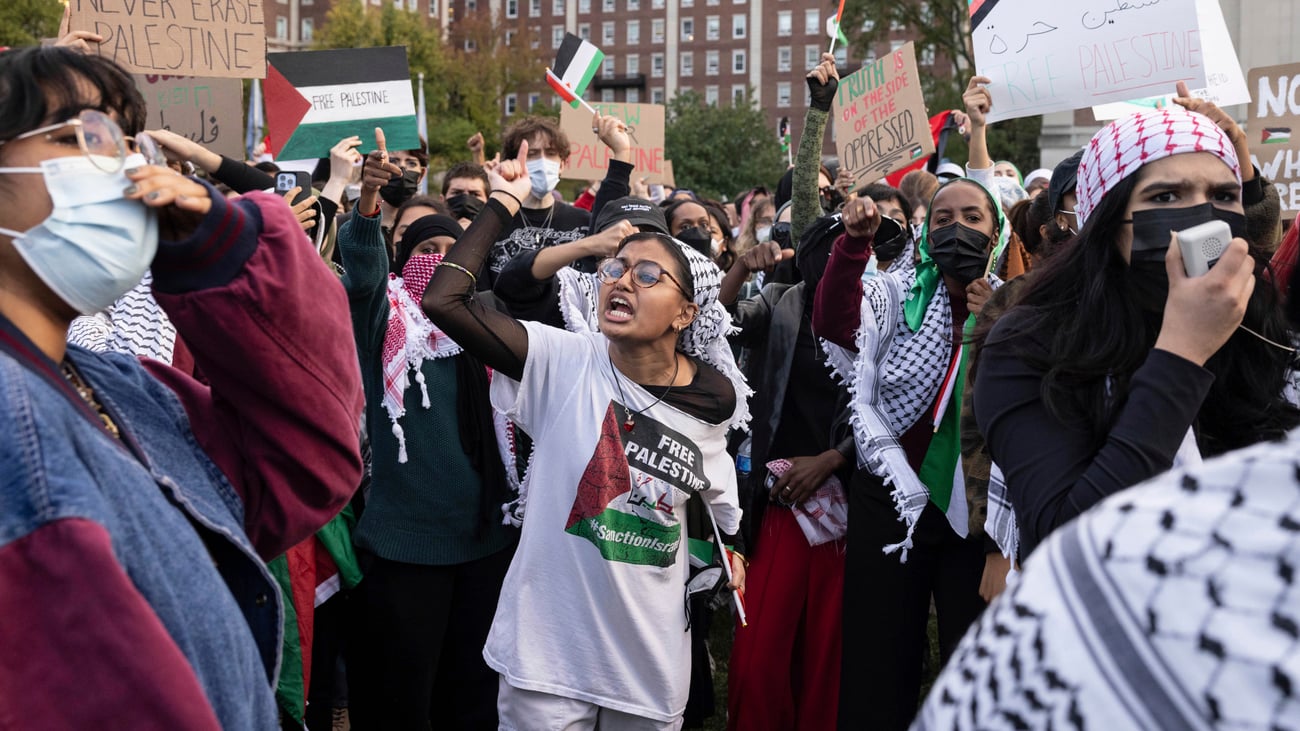
Judge Noël Wise articulated a robust defense of free expression, stating that the "downward spiral" of punishing speech is antithetical to the Constitution's recognition of the right to speak freely. She highlighted that the ability to criticize the government is foundational to an enduring democracy, and that the country's strength is diminished when people must censor themselves to avoid official reprisal. The court noted that the government had previously directed retaliatory measures against individuals who voiced criticism of Israel's actions in Palestine, those who were critical of conservative activist Charlie Kirk following his death, and even those who commented on an Iran peace deal earlier this year.
The judge warned that such targeting could expand, stating that "tomorrow, or perhaps even today, targets may include anyone in the United States who exercises their freedom of speech to simply express opinions the government does not like." She passionately affirmed that one can simultaneously disagree with the content of speech and still cherish the freedom that allows it, describing the zealous protection of constitutional free speech as a powerful demonstration of the nation's lack of fear. This ruling firmly establishes that noncitizen protected speech is a constitutional right, not a privilege, under the First Amendment.
Critique of Discriminatory Visa Enforcement
A significant aspect of Judge Wise's ruling involved a sharp critique of the visa enforcement practices under Secretary of State Marco Rubio, who was named as a defendant in the case. The judge characterized these practices as "standardless," pointing to a clear pattern of "seriously discriminatory enforcement." She observed that the record indicated a consistent trend in visa revocations since March 2025: noncitizens' visas were revoked when they expressed criticism of the government or causes and individuals favored by the government.
This pattern, according to Judge Wise, exemplified a discriminatory approach to visa enforcement. Furthermore, she noted in a footnote that the government failed to provide any supporting cases for its argument that visa holders possess a lesser degree of First Amendment protection compared to other lawfully present noncitizens. This finding reinforces the principle that First Amendment rights for international students and other noncitizens are not diminished simply due to their visa status, challenging the notion of second-class constitutional protections.
Affirming Fundamental Freedoms for All
The decision by the U.S. District Court for the Northern District of California is a crucial affirmation of fundamental constitutional principles, particularly concerning noncitizen visa revocation free speech. Attorney Conor Fitzpatrick, from the Foundation for Individual Rights and Expression, welcomed the ruling, stating that it proves free speech is an inalienable right for everyone, not merely a privilege reserved for those whose views align with the government. This perspective underscores the broad implications of Judge Noël Wise's decision for First Amendment rights international students and all noncitizens residing in the United States.
The ruling sends a clear message that the Immigration and Nationality Act cannot be manipulated to suppress dissent or punish individuals for their protected expression. It serves as a vital precedent, reinforcing that the constitutional protections enshrined in the First and Fifth Amendments extend to all persons within the nation's borders, regardless of their citizenship status. This legal outcome ensures that the government cannot retaliate against noncitizens for expressing opinions it does not agree with, thereby upholding the integrity of free speech as a cornerstone of American society.
Practical Implications
This ruling establishes a significant precedent protecting noncitizens' First and Fifth Amendment rights against government retaliation for protected speech, particularly concerning visa revocation. Lawyers advising noncitizens, international students, or organizations employing them should be aware of this decision to challenge immigration actions based on speech and ensure compliance with these constitutional protections.
Source
How does this affect you?
Get an AI analysis of this article grounded in your jurisdictions, practice areas, and any policy documents you've uploaded to Wansom.
Finish Reading the Full Story and the Expert Analysis.
Wansom is AI and can make mistakes.