
Judge Davila Vacates Diversity Visa Pause: Processing Reopens
Summary
- A federal judge vacated three government policies that had indefinitely paused immigration visa processing.
- Senior U.S. District Judge Edward Davila ruled the policies caused irreparable harm and constituted final agency action.
- The decision temporarily reopens the processing of diversity visa applications and green card adjustments.
- The judge rejected government arguments that the policies were merely temporary or that compliance would be overly burdensome.
- The ruling allows noncitizens selected for the Diversity Immigrant Visa Program to resume their application process.
Federal Judge Halts Visa Pause
Judge Davila explicitly stated that the characterization of the policies as 'temporary' did not exempt them from judicial scrutiny under the Administrative Procedure Act.
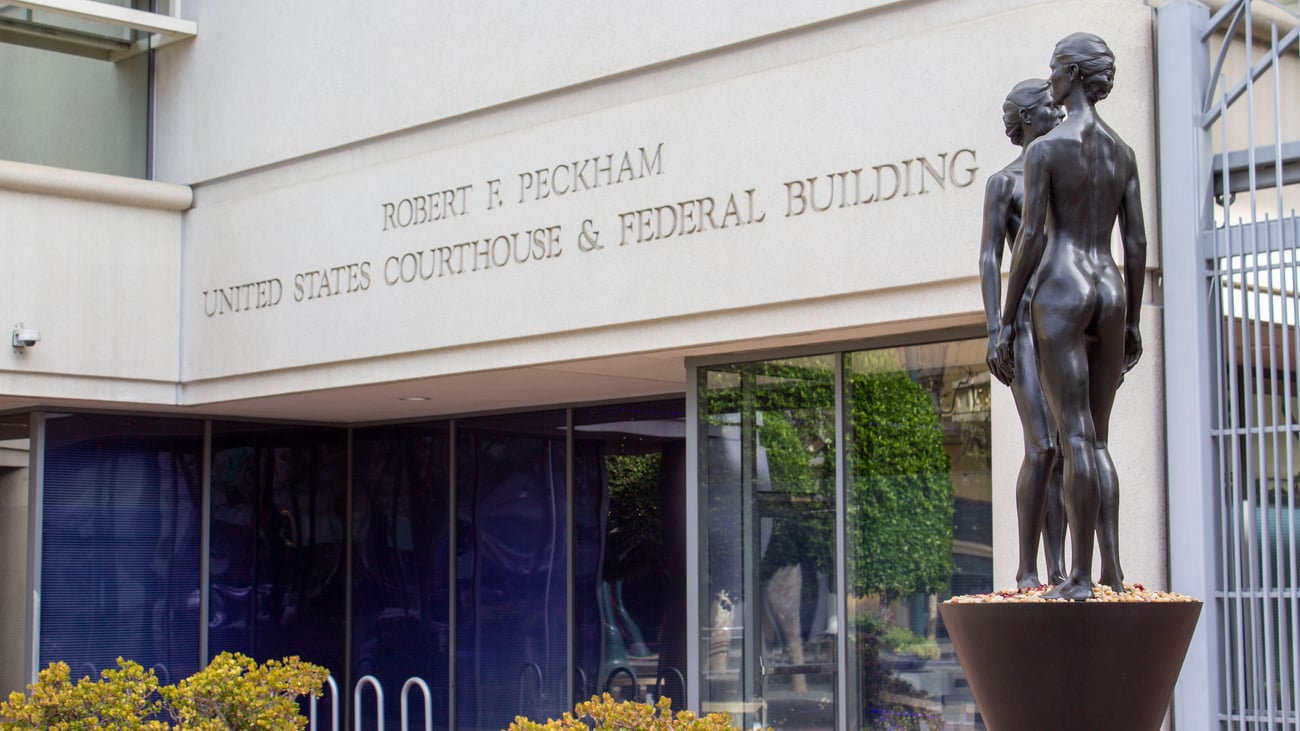
A federal judge has vacated three federal policies that had indefinitely stalled the processing of immigration visas, ruling that these actions caused irreparable harm to noncitizens seeking green cards. The decision, handed down on a Friday from the Robert F. Peckham Federal Building and U.S. Courthouse in San Jose, California, determined that the policies constituted final government action with immediate and significant consequences for applicants.
Senior U.S. District Judge Edward Davila granted in part a preliminary injunction, effectively reopening the processing of visa applications. The policies in question included two issued in December 2025 by the U.S. Citizenship and Immigration Services (USCIS) and the U.S. Department of State, which imposed indefinite holds on green card applications and adjustments of diversity visa status. A third policy, issued by the Department of State in February, paused visa approvals from 75 countries, requiring consular officers to refuse all immigrant visa applicants until new guidance on public assistance dependency could be developed, with no specified end date for the pause. This ruling by Judge Davila vacates the diversity visa pause, allowing processing to resume.
Judge Davila also granted in part class certification for subclasses of individuals whose diversity visas were on indefinite hold due to either the Immigration Services or Department of State policies. This means that for many applicants, the green card application pause has been lifted, and diversity visa processing reopened, offering a pathway forward that had been blocked by the federal agencies' actions.
Legal Justification: Irreparable Harm and Final Agency Action
Central to Judge Davila's ruling was his agreement with the plaintiffs' argument that the policies, despite being characterized as temporary, had immediate legal consequences and profoundly disrupted normal diversity visa processing procedures. Plaintiffs contended that the indefinite pause on final adjudication deprived them of the opportunity to obtain lawful permanent residency and all its associated benefits, such as the ability to live, work, and study in the United States. The Barack Obama appointee, in his 23-page ruling, emphasized that there was no indication of when, or if, these policies would be lifted or modified, thus rendering their 'temporary' nature irrelevant to their immediate impact.
The court rejected the government's assertion that the policies did not represent final agency action, a necessary prerequisite for judicial review and the granting of a preliminary injunction. Judge Davila explicitly stated that the characterization of the policies as 'temporary' did not exempt them from judicial scrutiny under the Administrative Procedure Act (APA). This aspect of the Davila preliminary injunction immigration ruling underscores the judiciary's role in overseeing agency actions that significantly affect individuals' rights, particularly when those actions lack clear timelines or definitive end points.
Understanding the Diversity Visa Program
The Diversity Immigrant Visa Program, at the heart of this legal challenge, is administered by the Department of State. It operates through a lottery system, randomly selecting noncitizens from countries with historically low rates of U.S. immigration, providing them with an opportunity to apply for a green card. For those applicants already in the U.S. under a different visa at the time of selection, the process involves submitting a form to Immigration Services to adjust their status to permanent resident.
It is important to note that selection in this program does not guarantee a visa; rather, it grants the individual the ability to apply for one. Typically, the Department of State selects up to 55,000 immigrants each fiscal year to commence the application process. The policies challenged in this case had effectively frozen this critical stage for many, leaving their aspirations for lawful permanent residency in limbo.
Judicial Scrutiny Over Bureaucratic Objections
Judge Davila also dismissed the government's arguments regarding the practical difficulties of complying with an order to process the backlog of visas. The defendants had highlighted that diversity visa adjudication involves extensive discretionary decisions made by thousands of consular officers and USCIS officials, suggesting that processing these visas would create a 'bureaucratic nightmare.' While acknowledging the complexity of such operations, Judge Davila was not persuaded that this justified the indefinite halt.
He clarified that the plaintiffs were challenging the agencies' categorical decisions to cease adjudication and/or approval of applications altogether, rather than the determination of any single application, an area where the court would likely lack jurisdiction. The judge's stance underscored that while individual application issues might exist, they did not negate the agencies' responsibility to process applications under established law, nor did they exempt blanket policies from judicial review, particularly when those policies had such widespread and immediate legal consequences.
Practical Implications
Lawyers should immediately advise clients whose diversity visa or green card applications were previously stalled by the vacated federal policies, as processing can now resume. This ruling also provides a precedent for challenging agency actions that indefinitely halt immigration procedures under the Administrative Procedure Act.
Source
How does this affect you?
Get an AI analysis of this article grounded in your jurisdictions, practice areas, and any policy documents you've uploaded to Wansom.
Finish Reading the Full Expert Analysis.
Wansom is AI and can make mistakes.