
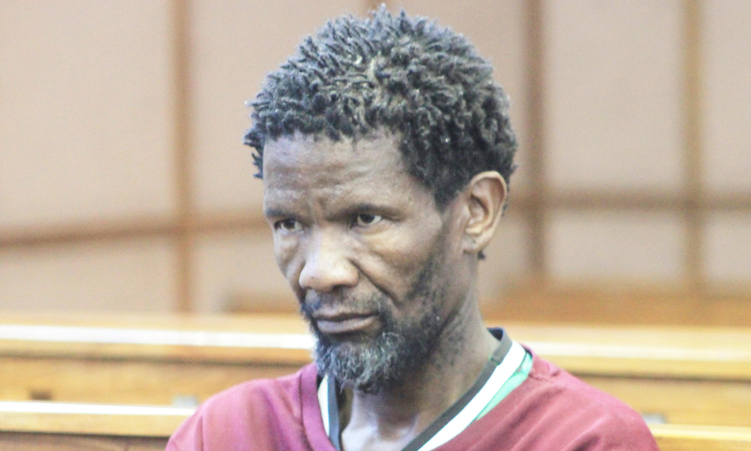
Windhoek High Court: Jonas Murao Sentencing Set October 30
Summary
- Jonas Murao, a 47-year-old Hardap region resident, faces sentencing in the Windhoek High Court.
- He was convicted on six criminal charges, including the rape of a four-month-old baby.
- Judge Claudia Claasen postponed the sentencing to October 30 after hearing final oral arguments.
- The case is a significant event for observing judicial trends in severe child sexual abuse offenses in Namibia.
What Happened
This case, often referred to as the Jonas Murao baby rape trial, serves as a critical benchmark for observing judicial trends in the sentencing of severe crimes, particularly those involving child sexual abuse.
The Windhoek High Court is poised to deliver its sentence in a high-profile criminal case involving Jonas Murao, a 47-year-old resident from Namibia's Hardap region. Murao stands convicted on a total of six distinct criminal charges, a significant number reflecting the gravity of the offenses. Among these convictions is a particularly heinous charge concerning the rape of a four-month-old infant, an offense that has drawn considerable attention to the proceedings.
Presiding over the matter, Judge Claudia Claasen recently confirmed that the final sentencing for Murao is scheduled for October 30. This date was set following a postponement, which occurred after the court concluded hearing the final oral arguments presented by the deputy prosecutor. The conclusion of these arguments marks a critical juncture in the judicial process, paving the way for the court to determine the appropriate penalty for the convicted individual.
Judicial Proceedings and Context
The proceedings in the Windhoek High Court underscore the Namibian judiciary's role in addressing severe criminal offenses, particularly those involving vulnerable victims. Cases of this nature, tried before the High Court, typically involve extensive investigations, evidence presentation, and legal arguments, culminating in a conviction or acquittal. The fact that Jonas Murao was found guilty on six separate counts, including the deeply disturbing charge related to a baby, highlights the robust evidence likely presented by the prosecution.
The judicial process, from the initial charges to the final sentencing, is designed to ensure justice for victims while upholding the rights of the accused. Judge Claudia Claasen's decision to postpone the sentencing until October 30, after receiving final oral arguments, is a standard procedural step. It allows the court adequate time to meticulously consider all factors presented during the trial and the sentencing phase, including aggravating and mitigating circumstances, before pronouncing a judgment that reflects the severity of the crimes and serves the interests of justice. This meticulous approach is crucial in high-stakes cases like the Jonas Murao baby rape trial, ensuring due process is followed.
Implications for Sentencing and Legal Practice
The impending sentencing of Jonas Murao in the Windhoek High Court carries significant implications for Namibia's legal landscape, particularly concerning criminal defense lawyers and the broader judicial system. The nature of the convictions, especially the charge involving the rape of a four-month-old baby, places this case among the most severe criminal offenses heard in the country. As such, the final judgment delivered by Judge Claudia Claasen on October 30 will be closely scrutinized by legal professionals and the public alike.
This case, often referred to as the Jonas Murao baby rape trial, serves as a critical benchmark for observing judicial trends in the sentencing of severe crimes, particularly those involving child sexual abuse. Criminal defense lawyers in Namibia should monitor the Windhoek High Court criminal sentencing to understand potential shifts or reinforcements in sentencing guidelines for such egregious acts. The outcome could influence future legal strategies and contribute to the ongoing discourse surrounding the protection of children and the penalties for those who commit such horrific offenses within the Hardap region and across Namibia. The final sentencing date, October 30, marks a pivotal moment for this high-profile case.
Practical Implications
Criminal defense lawyers in Namibia should monitor the final sentencing in this high-profile case to observe judicial trends in severe criminal offenses and potential implications for sentencing guidelines, particularly concerning child sexual abuse cases in the Windhoek High Court.
Source
How does this affect you?
Get an AI analysis of this article grounded in your jurisdictions, practice areas, and any policy documents you've uploaded to Wansom.
Finish Reading the Full Story and the Expert Analysis.
Get the latest legal & regulatory intelligence in Namibia
Wansom is AI and can make mistakes.