
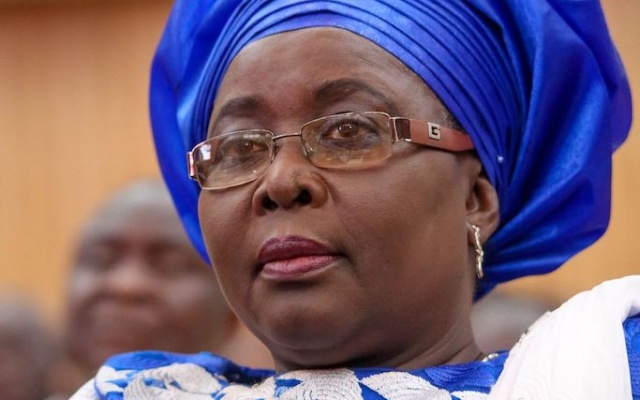
Jinapor Challenges Ablakwa's Authority Over Alima Mahama Refund
Summary
- The Minority caucus has challenged Foreign Affairs Minister Samuel Okudzeto Ablakwa's authority to demand a refund from former Ghanaian Ambassador to the United States, Hajia Alima Mahama.
- Jinapor argues that only the Auditor-General has the power to disallow and surcharge public officers following an audit, as per Article 187 of the national Constitution.
- The Minority raised concerns about the former ambassador's claim that she was not given an opportunity to respond to the audit findings.
The Alima Mahama Refund Controversy: A Clash of Authority
According to Jinapor, 'Article 187 of our national Constitution establishes the Office of the Auditor-General and guarantees its independence. The power to disallow and impose a surcharge following an audit is vested solely in the Auditor-General under Article 187(7).'
A dispute has erupted between Foreign Affairs Minister Samuel Okudzeto Ablakwa and Damongo MP Samuel A. Jinapor over the authority to demand a refund from former Ghanaian Ambassador to the United States, Hajia Alima Mahama. The controversy centers around findings contained in a special audit of Ghana's embassy in Washington, D.C., which allegedly linked monies to the ambassador's tenure. According to Article 187 of the national Constitution, the power to disallow and surcharge public officers following an audit rests solely with the Auditor-General. Jinapor argues that Ablakwa's decision to demand a refund from Mahama is therefore without legal basis.
The Role of the Auditor-General in Ghana
In Ghana, the Auditor-General plays a crucial role in ensuring accountability and transparency in public finances. According to Article 187(7) of the Constitution, the power to disallow and impose a surcharge following an audit is vested solely in the Auditor-General. This means that any decision to demand a refund from a public officer must be made by the Auditor-General, not by the Minister responsible for foreign affairs. Jinapor's argument is therefore rooted in the constitutional framework governing the role of the Auditor-General.
The Implications of Ablakwa's Demand
Jinapor has raised concerns that Ablakwa's demand for a refund from Mahama could deny her the opportunity to challenge any surcharge imposed by the Auditor-General. According to Article 187(9) of the Constitution and section 17 of the Audit Service Act, 2000 (Act 584), a person surcharged has sixty days within which to pay the money or exercise their right of appeal to the High Court. Jinapor argues that Ablakwa's procedure seeks to circumvent this laid procedure and curtail Mahama's appeal against surcharges.
Practical Implications
Lawyers should watch for the potential precedent set by this dispute over the authority to demand refunds from public officers, which could impact future compliance and audit procedures in Ghana.
Source
How does this affect you?
Get an AI analysis of this article grounded in your jurisdictions, practice areas, and any policy documents you've uploaded to Wansom.
Wansom is AI and can make mistakes.