
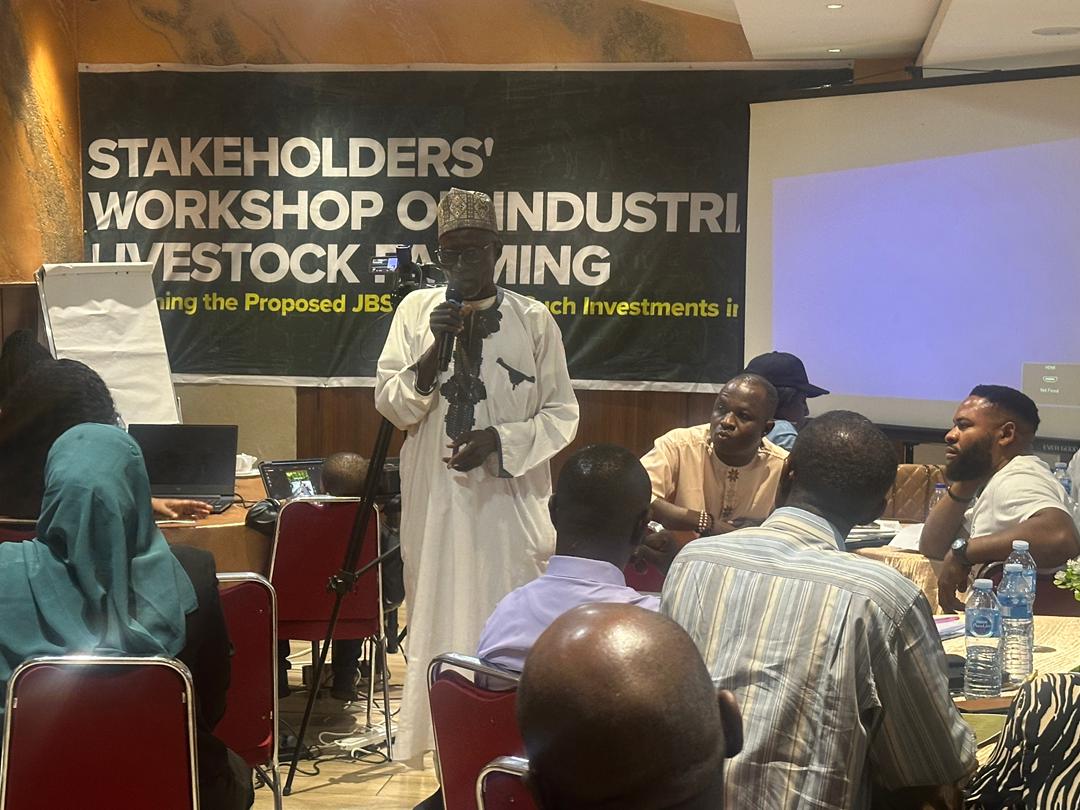
Nigeria: JBS Nigeria Investment Scrutiny Intensifies Over $2.5bn Deal
Summary
- Various groups are questioning JBS's $2.5 billion investment in Nigeria, which has been formalized through a Memorandum of Understanding with the Nigerian government.
- Concerns center on the potential for far-reaching negative implications if the project lacks proper scrutiny and regulation.
- The identified risks include adverse effects on land, water resources, local livelihoods, smallholder farmers, and the environment.
- Stakeholders are calling for robust oversight to mitigate these potential socio-environmental impacts.
- The situation highlights the importance of stringent regulatory frameworks for large-scale foreign investments in Nigeria.
Concerns Raised Over Major Foreign Investment
The core of the concerns revolves around the wide-ranging impact such a large-scale undertaking could have on critical resources and communities within Nigeria.
A significant $2.5 billion investment by JBS in Nigeria, formalized through a Memorandum of Understanding with the Nigerian government, is currently facing intense scrutiny from various groups. These organizations have voiced considerable apprehension regarding the potential ramifications of this substantial foreign capital injection, particularly if the project proceeds without adequate regulatory oversight and thorough examination.
The core of the concerns revolves around the wide-ranging impact such a large-scale undertaking could have on critical resources and communities within Nigeria. The groups emphasize that without proper checks and balances, the investment could profoundly affect land tenure, access to water resources, and the traditional livelihoods of local populations. This highlights a growing call for robust JBS Nigeria investment scrutiny to ensure responsible development.
Specifically, the groups have pointed to the vulnerability of smallholder farmers, whose operations and existence could be jeopardized by the project's scale and scope. Furthermore, the broader environmental consequences, including potential degradation of ecosystems and biodiversity, are central to the JBS $2.5bn Nigeria concerns being articulated by these stakeholders. The collective sentiment underscores a demand for proactive measures to mitigate adverse effects.
Navigating Nigeria's Foreign Investment Landscape
The questioning of JBS's venture, formalized through a Memorandum of Understanding with the Nigerian government, underscores the complex regulatory environment and heightened public interest surrounding large-scale foreign investments in Nigeria. Projects of this magnitude, particularly those involving extensive land use and resource consumption, are increasingly subject to rigorous evaluation, reflecting evolving standards for corporate social responsibility and environmental governance.
Effective Nigeria foreign investment regulation is crucial to balancing economic development with the protection of local interests and natural assets. The concerns raised by the groups suggest a perceived gap or potential weakness in the existing oversight mechanisms that could allow for negative impacts if not addressed proactively. This situation necessitates comprehensive due diligence and transparent engagement from all parties involved to navigate the intricate legal and social landscape.
For investors like JBS, understanding and adhering to stringent local and international best practices for environmental and social impact assessments is paramount. The emphasis on proper scrutiny and regulation points to the need for robust JBS Nigeria project oversight, ensuring that the investment aligns with sustainable development goals and respects community rights, particularly concerning land and water resources.
Potential Socio-Environmental Ramifications
The groups' specific warnings about the investment's potential implications for land, water resources, local livelihoods, smallholder farmers, and the environment paint a clear picture of the multifaceted challenges at stake. Regarding land, concerns often include issues of land acquisition, potential displacement of communities, and changes in land use patterns that could disrupt traditional agricultural practices or communal land ownership. This brings to the forefront the critical issue of Nigeria land rights investment and the need for equitable processes.
Impacts on water resources could range from increased demand leading to scarcity for local communities to potential pollution from industrial operations, affecting both human health and aquatic ecosystems. The ripple effects on local livelihoods are significant, as large-scale agricultural or industrial projects can alter traditional economic structures, create competition for resources, or marginalize existing small-scale producers. The JBS environmental impact Nigeria is therefore a key area of focus, demanding thorough assessment and mitigation strategies.
For smallholder farmers, the implications could be particularly severe, potentially leading to loss of access to land, markets, or essential resources, thereby threatening their food security and economic stability. The overarching environmental concerns encompass biodiversity loss, deforestation, soil degradation, and contributions to climate change, all of which necessitate stringent environmental protection measures and continuous monitoring as part of any JBS Nigeria investment scrutiny.
Practical Implications
Lawyers advising foreign investors in Nigeria should be aware of the heightened regulatory and public scrutiny on large-scale investments, particularly those with significant environmental and social governance (ESG) implications. This necessitates robust due diligence, stakeholder engagement, and compliance strategies to mitigate potential challenges.
Source
How does this affect you?
Get an AI analysis of this article grounded in your jurisdictions, practice areas, and any policy documents you've uploaded to Wansom.
Finish Reading the Full Story and the Expert Analysis.
Wansom is AI and can make mistakes.