
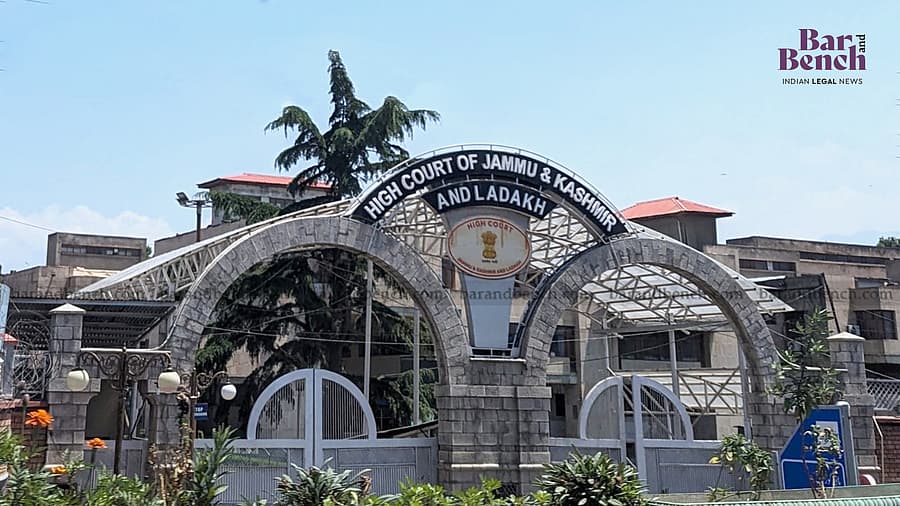
Jammu and Kashmir High Court: No Pre-Trial Punishment Through Bail Denial
Summary
- The High Court of Jammu and Kashmir and Ladakh granted bail to a man accused of raping a minor, while setting a precedent against denying bail as pre-trial punishment.
- The court observed that denying bail solely to 'teach a lesson' or satisfy societal conscience would amount to inflicting pre-trial punishment, which is impermissible in law.
- The decision highlights the importance of upholding due process and protecting the rights of accused individuals, particularly in cases where the evidence is doubtful.
What Happened
The High Court of Jammu and Kashmir and Ladakh recently granted bail to a man accused of raping a minor, while also setting a significant precedent in the process. The court's decision was made in the case of Nisar Ahmed Joo, who is facing trial for allegedly kidnapping and raping a 16-17 year old girl in 2024. The court's observation that denying bail to an accused person solely to 'teach them a lesson' or satisfy societal conscience is impermissible in law has far-reaching implications for the legal system in India.
The court granted bail to Joo after noting that the allegations against him appeared to be highly doubtful, and that there was little chance of him influencing witnesses or tampering with evidence. The prosecution had cited several material witnesses who had already been examined by a trial court, further reducing the likelihood of any tampering.
Legal Context
The High Court's decision is significant because it sets a precedent against denying bail as pre-trial punishment. This approach has been criticized in the past for being arbitrary and unfair to accused persons. The court's observation that denying bail solely to 'teach a lesson' or satisfy societal conscience would amount to inflicting pre-trial punishment, which is impermissible in law, highlights the importance of upholding due process and protecting the rights of accused individuals.
The case also raises questions about the application of Section 137(2) of the Bharatiya Nyaya Sanhita (BNS), which deals with kidnapping. The court's decision to grant bail despite the serious nature of the allegations against Joo suggests that the prosecution may have struggled to establish a strong case. This could have implications for future cases involving similar charges.
Why It Matters
The High Court's decision has important implications for lawyers and their clients in India. The precedent set by this ruling means that lawyers should be cautious when advising clients on the likelihood of securing bail, particularly in cases where the allegations are serious but the evidence is doubtful. This could lead to a more nuanced approach to bail applications, with courts being more careful to balance the need to protect society with the rights of accused individuals.
The decision also highlights the importance of upholding due process and protecting the rights of accused persons. By setting a precedent against denying bail as pre-trial punishment, the court has sent a clear message that arbitrary and unfair practices will not be tolerated in Indian courts.
Practical Implications
Lawyers should note that this ruling sets a precedent against denying bail as pre-trial punishment, which may impact their clients' chances of securing bail in similar cases.
Source
How does this affect your business?
Get an AI analysis of this article grounded in your jurisdictions, practice areas, and any policy documents you've uploaded to Wansom.
Wansom is AI and can make mistakes.