
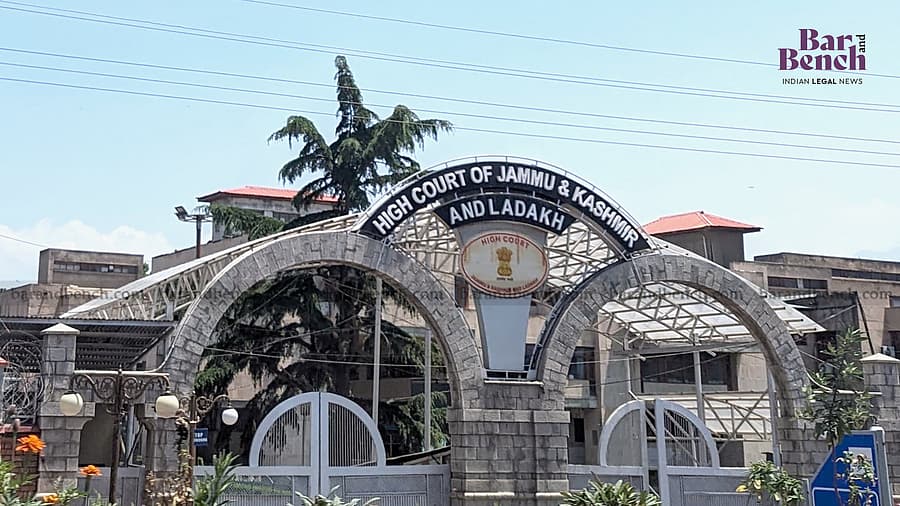
Jammu and Kashmir High Court: FIR Closure No Basis for Compensation
Summary
- Four individuals were accused of cross-border smuggling drugs but claimed ₹50 lakhs each for wrongful implication.
- The Jammu and Kashmir High Court dismissed their plea, ruling that mere FIR registration does not entitle compensation.
- Compensation is only available when there is evidence of malice or gross abuse of process causing demonstrable harm.
Wrongful Implication in Drug Case
“Compensation in writ jurisdiction or under inherent powers is an exceptional public law remedy available only when there is an established violation of fundamental rights, coupled with malafides or gross abuse of process causing demonstrable harm.”
Four individuals, Javid Ahmed Lone, Raja Ikhlaq Akbar, Safeer Ahmad Gadwal, and Basit Khan, were accused of cross-border smuggling drugs. They had claimed compensation of ₹50 lakhs each for their alleged wrongful implication in the case. However, the Jammu and Kashmir High Court recently dismissed their plea, ruling that mere registration of an FIR does not entitle an accused to claim compensation.
The court's decision highlights the importance of evidence in determining whether an individual has been wrongfully implicated in a crime. In this case, the police had closed the FIR citing lack of evidence, but the petitioners argued that their fundamental rights had been violated by being named as accused in the first place.
Legal Context
The Jammu and Kashmir High Court's ruling is significant because it sets a precedent for cases involving wrongful implication. The court observed that compensation in writ jurisdiction or under inherent powers is an exceptional public law remedy available only when there is an established violation of fundamental rights, coupled with malafides or gross abuse of process causing demonstrable harm.
This decision underscores the need for individuals to provide evidence of malice or gross abuse of process before claiming compensation for wrongful implication. The court's emphasis on the importance of evidence in determining liability serves as a reminder that mere registration of an FIR is not sufficient grounds for compensation claims.
Why It Matters
The Jammu and Kashmir High Court's decision has implications for lawyers and individuals seeking compensation for wrongful implication. The ruling makes it clear that lawyers should note that mere registration of an FIR does not entitle an accused to claim compensation, and a court will only consider such claims when there is evidence of malice or gross abuse of process.
This decision serves as a cautionary tale for individuals who may be tempted to file frivolous compensation claims based on the mere registration of an FIR. By emphasizing the need for evidence in determining liability, the court has set a precedent that will help to prevent abuse of the legal system.
Practical Implications
Lawyers should note that mere registration of an FIR does not entitle an accused to claim compensation, and a court will only consider such claims when there is evidence of malice or gross abuse of process.
Source
How does this affect you?
Get an AI analysis of this article grounded in your jurisdictions, practice areas, and any policy documents you've uploaded to Wansom.
Wansom is AI and can make mistakes.