
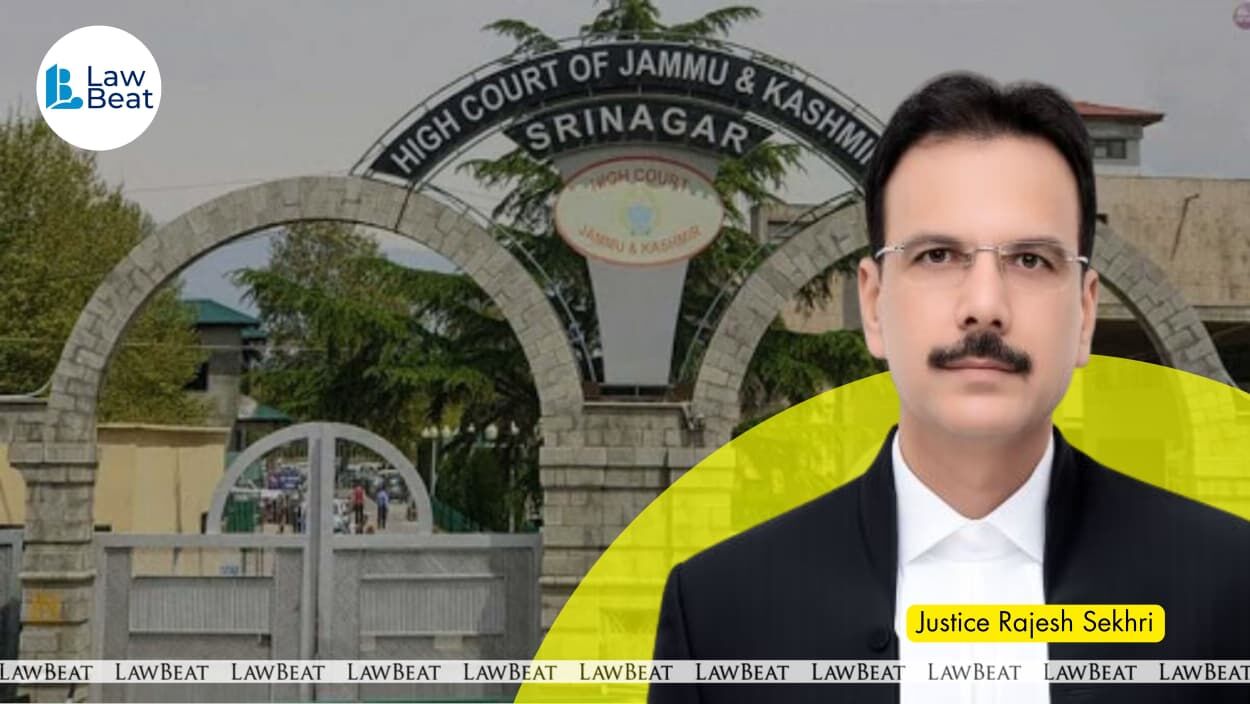
J&K HC: Pardeep Ambedkari PSA Detention Quashed Over Procedural Lapses
Summary
- The J&K and Ladakh High Court quashed Pardeep Ambedkari's preventive detention under the Public Safety Act on August 29.
- The court found an unexplained 38-day delay in issuing the detention order, which severed the 'live and proximate link' required for preventive detention.
- A pre-arrest bail order granted to Ambedkari was not placed before the detaining authority, violating his right to effective representation under Article 22(5).
- Ambedkari was accused of making derogatory remarks against Lord Rama, mocking Karwa Chauth, and other activities deemed prejudicial to public order.
- The ruling directed Ambedkari's immediate release, provided he was not involved in any other offenses.
Court Overturns Detention Order
This significant gap was found to have severed the essential 'live and proximate link' between Ambedkari's alleged past activities and the imperative need for his immediate preventive detention.
The Jammu & Kashmir and Ladakh High Court, in a significant ruling on August 29, quashed the preventive detention of Pardeep Ambedkari under the Public Safety Act (PSA). Justice Rajesh Sekhri found two critical procedural lapses that rendered the detention order invalid, leading to the immediate directive for Ambedkari's release, provided he was not implicated in any other ongoing legal matters. This decision underscores the judiciary's role in safeguarding individual liberties against arbitrary state action.
The court's verdict centered on the failure of authorities to adhere to established legal principles governing preventive detention. Specifically, an unexplained delay in issuing the detention order and the non-disclosure of a crucial pre-arrest bail order to the detaining authority were identified as fatal flaws. The ruling effectively means that the detention of Pardeep Ambedkari under the PSA was deemed unlawful due to these procedural irregularities, rather than a judgment on the veracity of the initial allegations against him.
Allegations and Procedural Flaws
Pardeep Ambedkari's detention stemmed from a dossier submitted by the Senior Superintendent of Police (SSP), Kathua, on October 30, 2025. This dossier cited four First Information Reports (FIRs) and two Daily Diary Register (DDR) entries, alleging that Ambedkari was a 'history-sheeter' involved in delivering inflammatory speeches, circulating provocative video clips on social media, promoting enmity along religious and caste lines, and threatening communal harmony. The detaining authority specifically referenced accusations that Ambedkari had made derogatory remarks against Lord Rama and shared a video on Facebook purportedly mocking Hindu women observing Karwa Chauth, deeming these activities prejudicial to public order under the Jammu Kashmir Public Safety Act 1978.
However, the High Court identified a critical, unexplained 38-day delay between the SSP's recommendation for detention on October 30, 2025, and the District Magistrate, Kathua's issuance of the detention order on December 8, 2025. This significant gap was found to have severed the essential 'live and proximate link' between Ambedkari's alleged past activities and the imperative need for his immediate preventive detention. The court noted that neither the respondents' counter-affidavit nor the detention record offered a satisfactory explanation for this delay, which is a fundamental requirement in such cases. This J&K PSA detention unexplained delay was a primary factor in the quashing.
Adding to the procedural infirmities, the court also discovered that a pre-arrest bail order, granted to Ambedkari by the High Court on December 4, 2025, in the last FIR attributed to him, was not presented to the detaining authority. This pre-arrest bail non-disclosure detention was deemed a serious lapse, as it prevented the authority from fully applying its mind to all relevant facts before making the detention decision. Such an omission also infringed upon Ambedkari's constitutional right to make an effective representation, as guaranteed under Article 22(5) of the Constitution.
Legal Precedent and Constitutional Safeguards
This ruling by the J&K and Ladakh High Court serves as a crucial reminder of the stringent legal requirements for preventive detention, particularly under the Public Safety Act. The emphasis on maintaining a 'live and proximate link' between alleged past actions and the necessity for current detention is a cornerstone of jurisprudence in this area. Any unreasonable and unexplained delay in processing detention orders can vitiate the entire process, as it undermines the immediacy and preventive nature intended by such laws. The court's unequivocal stance on this matter reinforces the principle that preventive detention cannot be used as a punitive measure for past acts.
Furthermore, the judgment highlights the paramount importance of an individual's right to effective representation under Article 22(5) of the Constitution. The failure to place all material facts, including pre-arrest bail orders, before the detaining authority directly impacts this right, as it deprives the detainee of the opportunity to present a complete picture of their legal standing. This aspect of the ruling provides a strong precedent for challenging preventive detention orders where authorities fail to consider all relevant information. The Pardeep Ambedkari PSA quashed decision thus reinforces fundamental constitutional safeguards against arbitrary detention, ensuring that procedural fairness is upheld even in cases involving serious allegations.
Practical Implications
This ruling provides a strong precedent for challenging preventive detention orders under the Public Safety Act (PSA) in Jammu & Kashmir. Lawyers should meticulously examine detention orders for unexplained delays between recommendation and issuance, and verify that all material facts, including pre-arrest bail orders, were presented to the detaining authority, as failure to do so can vitiate the detention.
Source
Source: Original reporting via Live Law
How does this affect you?
Get an AI analysis of this article grounded in your jurisdictions, practice areas, and any policy documents you've uploaded to Wansom.
Finish Reading the Full Story and the Expert Analysis.
Wansom is AI and can make mistakes.