
السودان: ارتفاع الدولار الجمركي 16.14% للمرة السادسة هذا العام
Summary
- Sudanese authorities raised the customs dollar rate to 6,539 SDG from 5,631 SDG, an increase of 16.14%.
- This marks the sixth such increase since the start of 2026, amid ongoing depreciation of the Sudanese Pound.
- The National Chamber of Importers warned that this will lead to higher commodity prices, increased living pressures, and threaten trade stability.
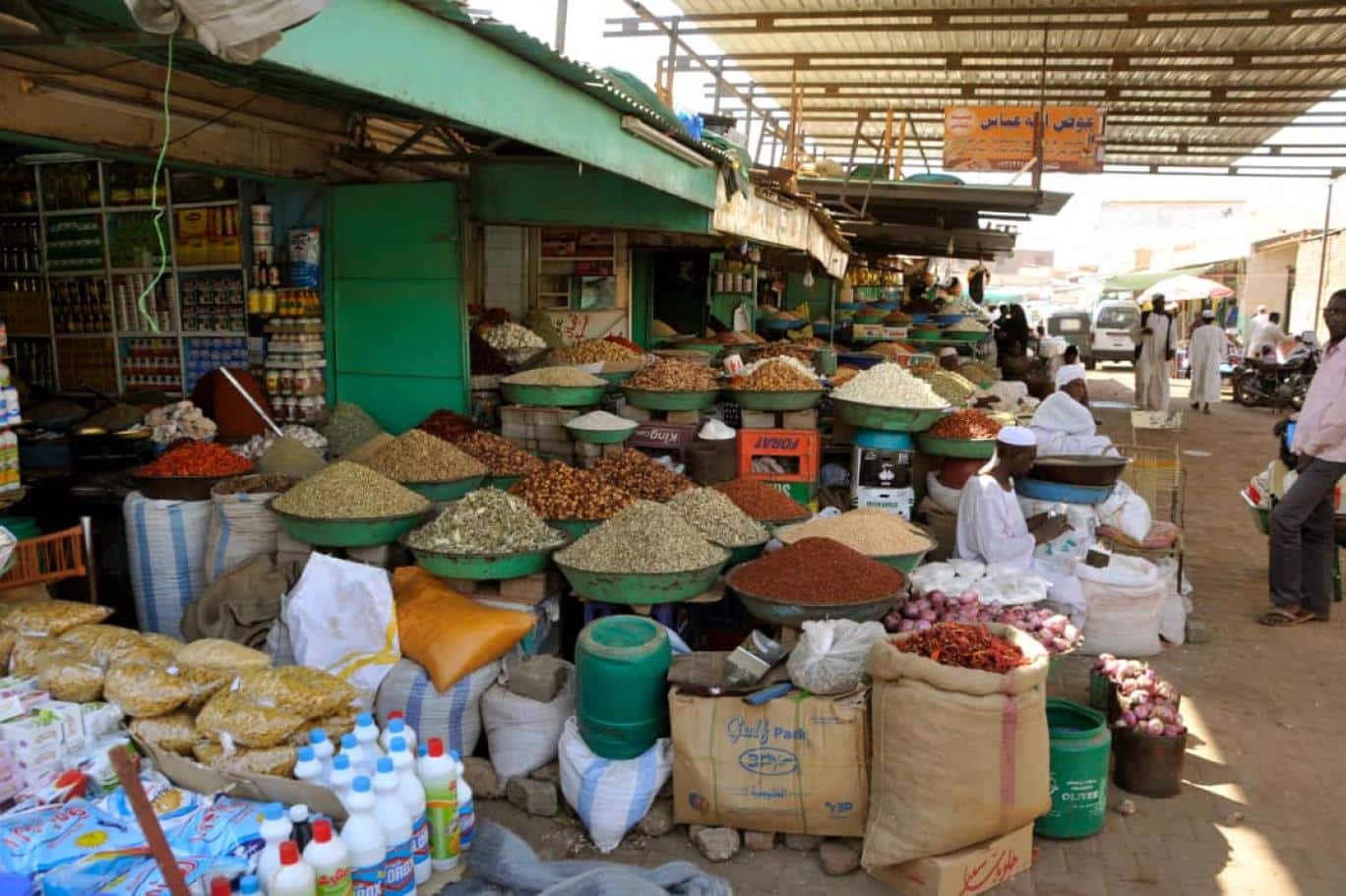
- Sudanese markets are already experiencing unprecedented consumer goods price hikes and market stagnation due to eroded purchasing power.
- The US dollar exchange rate against the Sudanese Pound reached approximately 12,000 SDG by Wednesday evening, November 18, 2026.
What Happened
The ripple effects of the elevated customs dollar rate are expected to be far-reaching, primarily manifesting as a sharp increase in the prices of essential commodities.
Sudanese authorities recently implemented a significant adjustment to the customs dollar rate, elevating it to 6,539 Sudanese Pounds (SDG) from its previous level of 5,631 SDG. This marks an increase of 908 SDG, representing a rise of approximately 16.14%. This particular adjustment, which occurred on a Monday, constitutes the sixth such increase since the beginning of the current year, underscoring a persistent trend of currency devaluation. The continuous depreciation of the Sudanese Pound is a critical backdrop to these policy changes, with the exchange rate against the US dollar reaching approximately 12,000 SDG by Wednesday evening, according to reports from November 18, 2026.
This latest hike in the customs dollar rate, referred to as ارتفاع الدولار الجمركي السودان, reflects ongoing economic pressures within the nation. The consistent upward revision of the سعر الدولار الجمركي السودان has been a defining feature of the country's financial landscape throughout 2026. Such frequent adjustments signal a challenging environment for importers and consumers alike, as the cost of goods entering the country directly correlates with this official valuation. The زيادة الدولار الجمركي نوفمبر 2026 further exacerbates an already volatile economic situation.
Economic Impact
The ripple effects of the elevated customs dollar rate are expected to be far-reaching, primarily manifesting as a sharp increase in the prices of essential commodities. This surge in costs will inevitably intensify the financial strain on Sudanese citizens, who are already grappling with severe economic hardships. Beyond household budgets, the stability of commercial activities across the nation faces a significant threat, with warnings of a potential decline in official import channels as businesses seek alternative, possibly less regulated, avenues.
Sudanese markets are currently experiencing an unprecedented escalation in the prices of consumer goods, a situation that the latest customs dollar adjustment is poised to worsen. The broader context includes a continuous erosion of the Sudanese Pound's value, coupled with rising import expenses. This has led to an unparalleled stagnation in market activity, largely due to the diminished purchasing power of citizens and a general decline in their disposable income. Furthermore, the nation is contending with critical shortages of strategic goods, which have already contributed to abnormally high prices, fueling concerns about widespread اقتصاد السودان تضخم. The تأثير الدولار الجمركي على الأسعار is thus a direct contributor to this inflationary spiral.
Industry Response
The National Chamber of Importers (الغرفة القومية للمستوردين السودان) has voiced profound apprehension regarding the successive increases in the customs dollar rate. The Chamber's head, Al-Sadiq Jalal al-Din Saleh, publicly stated that the organization is closely monitoring these developments with significant concern, specifically citing the recent adjustment from 5,631 to 6,539 SDG, which represents a 16% rise. Their warnings highlight the severe implications for both the economy and the daily lives of Sudanese people.
Saleh further elaborated that this particular increase arrives at a particularly precarious moment for the Sudanese economy. He pointed to the ongoing depreciation of the national currency, the escalating costs associated with importing goods, and a pervasive market stagnation resulting from the erosion of citizens' income and their reduced ability to purchase necessities. These factors, combined with the scarcity of vital strategic commodities, have already driven prices to unsustainable levels, making the زيادة الدولار الجمركي نوفمبر 2026 a critical point of concern for the importing sector and the wider economy.
Practical Implications
Lawyers advising businesses engaged in import/export or retail in Sudan should review existing contracts, supply chain agreements, and pricing structures to account for the increased customs dollar rate and its inflationary impact. Compliance officers must assess potential financial reporting implications and monitor for heightened compliance risks stemming from economic instability and price volatility.
Source
How does this affect you?
Get an AI analysis of this article grounded in your jurisdictions, practice areas, and any policy documents you've uploaded to Wansom.
Finish Reading the Full Story and the Expert Analysis.
Get the latest legal & regulatory intelligence in Sudan
Wansom is AI and can make mistakes.